Last updated November 18, 2026




Free written scope consultation - allowances, timeline, and change-order rules on paper before a single trade is scheduled
Seasonal Construction Care for Aventura: Year-Round Homeowner’s Guide
Most seasonal maintenance advice assumes four seasons. Aventura doesn’t have four. It has a storm-loading season, a rainy season, and a dry-heat window. That changes everything about when exterior work should happen. The single biggest mistake we see is homeowners following a “spring and fall” calendar copied from northern guides. The window to reseal a roof deck, repoint exterior stucco, or treat wood fencing in Aventura is February through April, before the rainy season locks in. Wait for “fall maintenance” and you’re working backward against the climate. This guide replaces the generic schedule with one built for Aventura’s actual weather cycle.
Quick Answer
Seasonal construction care in Aventura runs on three phases: dry season (November through March) for painting, driveway sealing, and wood treatment; pre-storm loading (April through May) for roof flashing, fence footings, and paver restraints; and rainy season monitoring (June through October) for flat roofs, screen enclosures, and caulk joints. The most important inspection window is April and May, before June 1. Get that right and the rest of the year is monitoring and small repairs instead of emergency work.
Styles & brands we work with
- Kitchen remodeling
- Bathroom remodeling
- Home additions & ADU
- Roofing
- Windows & doors
- Driveway & pavers
- Fence
Table of Contents
- Why Aventura’s Climate Cycle Isn’t a Standard Seasonal Calendar
- The Pre-Storm Loading Checklist (April and May)
- Rainy Season Monitoring (June through October)
- Post-Storm Assessment: Cosmetic Damage vs. Structural Compromise
- The Dry Season Window (November through March)
- Salt-Air Accumulation and Metal Fixture Inspection
- Why One Contractor for Every Phase Saves You Money
- Common Mistakes to Avoid
- When to Call a Professional
- Frequently Asked Questions
Why Aventura’s Climate Cycle Isn’t a Standard Seasonal Calendar
Residential construction care in Aventura is driven by moisture load and sun exposure, not by cold. There’s no freezing to worry about, no ice, no frost. What matters here is the rainy season that runs roughly June through October, and the dry, hot stretch from November through March. Those two patterns dictate what work can be done and when.
The rainy season is the constraint. Exterior products that cure, dry film, or bond need a stable window of low humidity to set properly. Roof deck sealants, exterior paint, wood preservatives, and paver sealers all fall into this category. If you apply them in June and it rains within the curing window, the product doesn’t adhere correctly. It fails early. And in Aventura, a June application almost always gets rain within the cure window.
The dry season is the opportunity. November through March gives you the low-humidity stretch needed for film-forming products to cure hard. That’s when sealers, paints, and wood treatments should go on.
And then there’s April and May, the pre-storm loading window. This is the transition period. It’s still relatively dry, but the storm season is coming. It’s the best time to inspect and repair roof flashing, check fence post footings, and verify that paver edge restraints are intact before wind-driven rain and storm loading push on them for five straight months.
One more local nuance: Aventura area sits near the Intracoastal, and homes closer to the water accumulate salt deposits faster than interior streets. That changes the inspection frequency for metal fixtures and exterior hardware. More on that below.
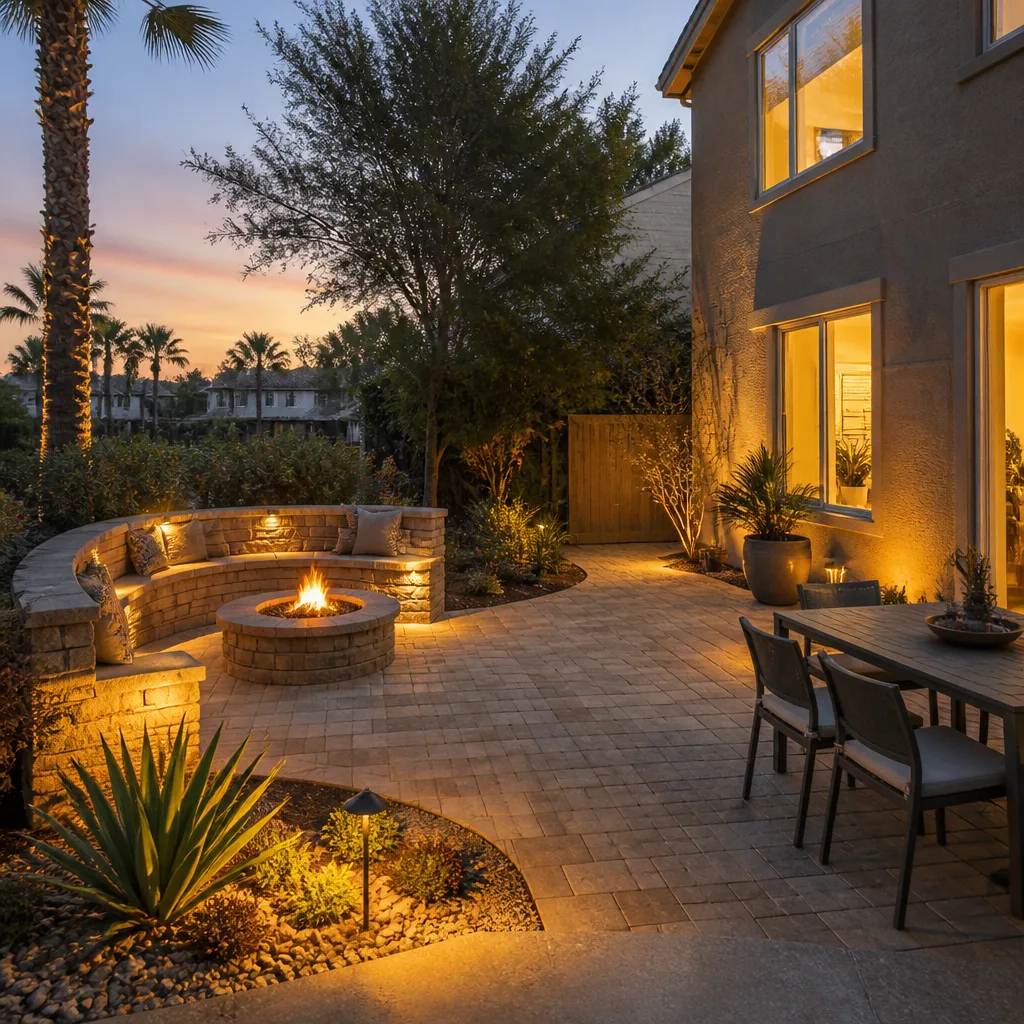
If you’re planning exterior hardscape changes as part of your seasonal work, our driveway & pavers work is typically scheduled in the dry window for exactly this reason.
The Pre-Storm Loading Checklist (April and May)
This is the most important seasonal window in Aventura. What you inspect and repair in April and May determines how your roof, fence, and pavers perform through the rainy season. Here’s the checklist our technicians run, and the one you should insist on when you schedule a pre-season inspection.
- Roof flashing at every penetration and transition. Check where the roof meets walls, around vents and exhaust pipes, at valleys, and at the chimney if you have one. Flashing that has lifted or loosened is the most common source of interior water intrusion during the rainy season. Reseal or replace it now, not after the first leak appears.
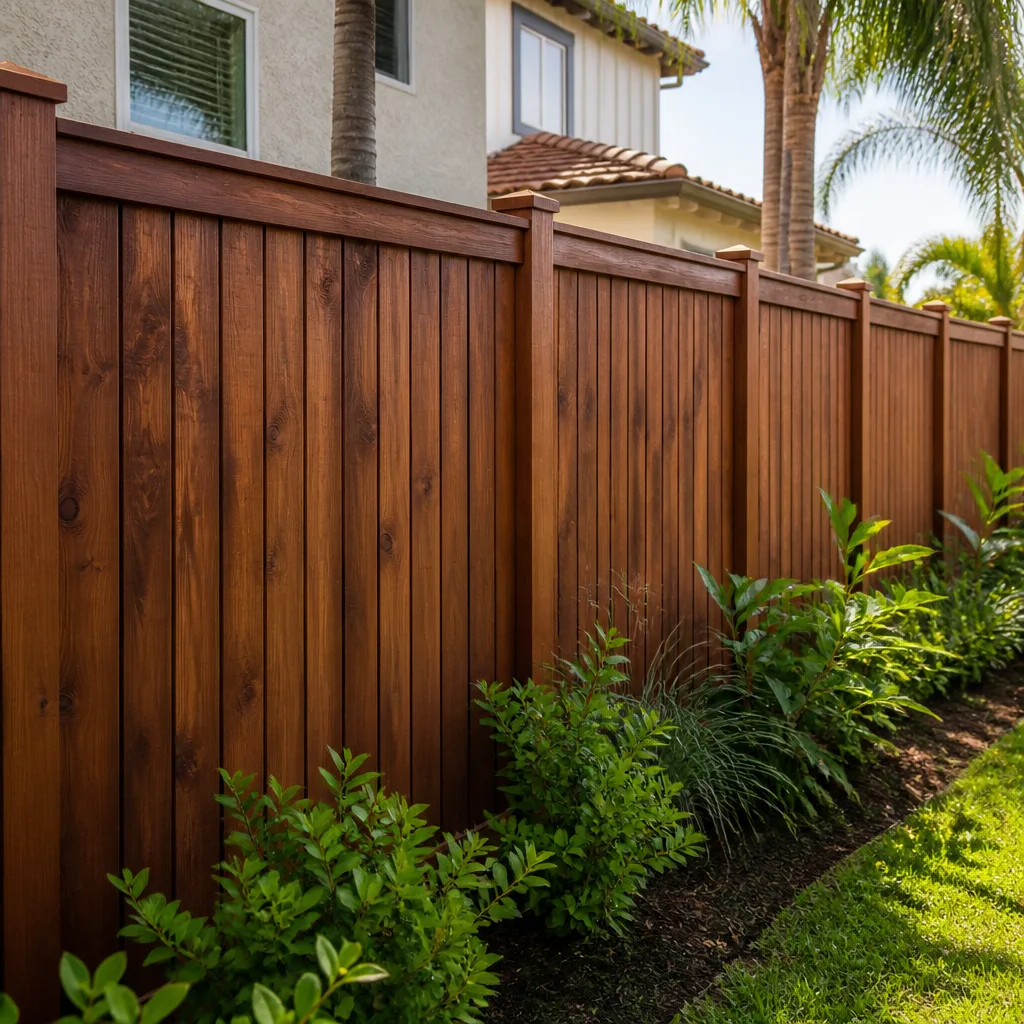
- Fence post footings. Walk the full fence line and push against each post. Any post that moves is a post whose footing has degraded. Wind loading on a fence is concentrated at the posts. A loose footing in April is a fence panel on the ground in July. Re-set or reinforce footings before June 1.
- Paver edge restraints. On driveways and walkways, inspect the edge restraint system that holds the pavers in place. If the edge restraint has failed, pavers can shift and spread under storm runoff. Check the edges, especially on slopes and at the driveway apron where water flows.
- Screen enclosure connections. Check every anchor point, splice, and fastener on screen enclosures. Loose connections vibrate and fail in wind. Also inspect screen fabric for small tears that will enlarge under storm loading.
- Exterior caulk joints. Look at the caulk lines around windows, doors, and exterior penetrations. Caulk that has cracked or pulled away should be removed and re-applied. This is the last easy window before the wet months.
- Gutter and downspout clearance. Clear debris and verify that downspouts discharge away from the foundation. Blocked gutters during heavy rain push water under roof edges and against walls.
Schedule this inspection in April, not late May. If the inspection turns up repairs, you want time to complete them before the season starts. That’s the difference between a maintenance repair and an emergency call.
Rainy Season Monitoring (June through October)
Once the rains start, your job shifts from preparation to observation. You’re not doing major repairs during the wet months unless something fails. You’re monitoring for the early signs that something is about to fail.
After each significant rain event, check these specific areas:
- Flat roof surfaces. Look for ponding water that hasn’t drained within a day, blistering or bubbling of the membrane, and any soft spots you can feel underfoot. Ponding is the leading cause of flat-roof membrane failure because standing water finds every seam weakness.
- Screen enclosures. Check for sagging screens, pulled splines, and loose frame connections. Wind-driven rain stresses enclosures differently than normal weather. Re-tension or repair loose sections before failure.
- Exterior caulk joints. Re-inspect the joints you sealed in April. If caulk is pulling away again, it may indicate movement behind the joint that needs to be addressed at the substrate level, not just re-caulked.
- Interior ceiling and wall stains. Any new discoloration on interior ceilings or upper walls is a signal that water is getting in somewhere above. Trace it back immediately rather than waiting for it to worsen.
- Driveway and paver drainage paths. Check where water flows during heavy rain. If it’s pooling against the house or running toward the foundation, that’s a grading issue that needs correction. Polymeric sand joints in pavers should also be checked after heavy rain, since washout exposes pavers to shifting.
We’ve seen flat roofs in Aventura go from a minor ponding issue to full membrane failure in a single season when homeowners didn’t monitor after storms. The cost difference between the two outcomes is substantial. Monitoring costs you an hour after each storm. Deferred repairs cost thousands.
If your roof needs attention during or after the season, our Construction Aventura roofing team can assess and quote the repair in a single visit.
Post-Storm Assessment: Cosmetic Damage vs. Structural Compromise
After a significant storm, the first question is always the same: is this cosmetic, or is this structural? The answer determines whether you file an insurance claim or call for a maintenance repair. Getting this wrong in either direction costs money, either through an unnecessary claim that raises your premium or through a repair you should have claimed.
Here’s how our technicians tell the difference:
- Cosmetic wind damage: Missing shingles or roof tiles, dented gutter sections, torn screen panels, leaning fence panels with intact posts, scattered or shifted pavers, and paint or finish scuffs. These are surface-layer failures. They don’t compromise the load path of the structure and are typically maintenance repairs.
- Structural compromise: Cracked roof decking visible from the attic, deflection or sagging in the roof sheathing, fence posts that have shifted at the footing rather than leaning above it, cracked stucco that extends through to the substrate, water intrusion into wall cavities, and foundation cracks that have widened. These affect how the structure carries load and warrant a professional assessment before you use the space normally.
The practical rule: if the damage is limited to a surface layer or a finish, treat it as maintenance. If you can see or feel the structure itself moved, cracked, or deformed, get a professional assessment before you decide on a claim. An inspector’s written finding is what an adjuster needs to process a structural claim. Without it, cosmetic repairs can get mischaracterized as structural claims (costing you a premium increase) or structural damage can get treated as cosmetic (costing you the repair).
One Aventura-specific note: after a storm, many homeowners discover that damage to fencing and pavers is actually a footing or edge-restraint issue that predated the storm. That changes the claim conversation significantly. The repair is still necessary, but the cause matters for how you proceed. Our fence installation team regularly diagnoses post-storm fence damage and can tell you whether it’s a storm issue or a footing issue.
The Dry Season Window (November through March)
This is when you do the work that requires low humidity to cure properly. In Aventura, the dry window isn’t a nice-to-have. It’s a requirement for certain products to perform as designed.
Here’s what belongs in the dry season:
- Exterior painting: Paint needs a dry surface and low humidity to form a proper film. Apply it in the rainy season and it can blister, peel, or fail to adhere within a single season. The dry window gives you the cure time the product needs.
- Driveway sealing: Paver sealers and concrete sealers need to penetrate and cure without rain interruption. In Aventura, the dry months give you the window to apply these products and let them fully set. A sealer applied in June and rained on in the first 48 hours is a sealer that will need to be redone.
- Wood treatment and staining: Fence staining and wood preservative treatments need low humidity to penetrate and dry correctly. The same logic applies: apply in the dry window, and you get years of protection instead of months.
- Stucco repair and exterior finish work: Stucco patching and repointing need to cure without rain. The dry window is when this work should be scheduled.
Product cure times vary by manufacturer, and the labels specify humidity and temperature ranges. Our technicians have up to 15 years of experience with these products and know which ones need the longest dry window. If you’re planning a dry-season project, schedule the estimate in the fall so the work can be sequenced into the right weather window.
If your dry-season plan includes interior upgrades, our home additions & ADU team can coordinate exterior and interior scopes under one contract so the sequencing doesn’t fall on you.
Salt-Air Accumulation and Metal Fixture Inspection
Aventura’s blocks closer to the Intracoastal accumulate salt deposits on metal surfaces faster than interior streets. This isn’t about corrosion from sea air in the abstract. It’s about a measurable cycle: salt deposits build up on exterior metal fixtures, then combine with moisture during the rainy season to accelerate oxidation.
The practical implication is a frequency difference. On properties near the water, exterior metal fixtures should be inspected and cleaned more often than on interior-street properties. What does “more often” mean in practice? Here’s the cycle our technicians use:
- Near-water properties: Inspect exterior metal hardware (gate hinges, railing anchors, fixture mounts, window and door hardware) at the start and end of the rainy season. Clean salt deposits before the wet months begin. Look for early oxidation on anchor points and fasteners.
- Interior-street properties: Inspect at the start of the dry season each year. The accumulation is slower, so an annual inspection is usually sufficient.
This is also where material choice matters. Marine-grade stainless steel and powder-coated finishes hold up better in salt-accumulation zones than bare or painted steel. If you’re replacing exterior hardware during your seasonal work, specify the material for the exposure. Our manufacturer relationships include fixtures from Kohler and Moen, and we can help you select finishes rated for exterior exposure.
Salt accumulation also affects window and door hardware. If your openings have started to stick or the hardware has become difficult to operate, that’s often a sign of salt-driven oxidation rather than a mechanical failure. Cleaning and lubrication may resolve it, or replacement may be the better call.
Why One Contractor for Every Phase Saves You Money
Most of the seasonal work in this guide crosses trades. The pre-storm checklist touches roofing, fencing, and hardscape in the same afternoon. The rainy-season monitoring touches flat roofs, screen enclosures, and caulk joints. The dry-season window touches painting, sealing, and wood treatment.
If you hire a separate roofer, a separate fence company, and a separate paver contractor, you’re managing three schedules, three sets of scope boundaries, and three points of accountability. When something fails at a scope boundary, each contractor can point to the other. The homeowner ends up as the general contractor by default.
Construction Aventura manages seven service categories under a single contract: Driveway & Pavers, Fence Installation, Home Additions & ADU, Bathroom Remodeling, Windows & Doors, Roofing, and kitchen remodeling. That means the pre-storm inspection can identify a flashing issue, a footing issue, and an edge-restraint issue in one visit, and one team can complete all three repairs without a coordination gap. It also means material selection is unified: you’re drawing from our manufacturer relationships across trades rather than coordinating specifications between contractors who don’t talk to each other.
The material partnerships matter for durability. Roofing materials from GAF, CertainTeed, and Owens Corning; hardscape from Belgard, Unilock, Tremron, and Techo-Bloc; countertops from Caesarstone, Silestone, and Cambria; fixtures from Kohler, Grohe, Moen, and Toto. These are manufacturer-warranted products that a homeowner can verify independently. When we recommend a material for a specific exposure, we’re recommending a product with a documented performance record, not a contractor preference.
Impact-rated windows and doors from PGT, CGI, and ES Windows are another example. These aren’t cosmetic replacements. They’re performance upgrades that change how a home handles storm loading, which changes the maintenance calendar for the openings themselves.
Common Mistakes to Avoid
- Following a northern maintenance calendar. Spring and fall checklists assume a freeze cycle that Aventura doesn’t have. If your maintenance schedule includes “winterizing,” you’re missing the actual seasonal risks: storm loading and rainy-season moisture. The calendar needs to fit the climate, not the other way around.
- Sealing pavers or painting in the rainy season. These products need a dry cure window to perform. Applied in June, they fail early and cost more to fix than if you’d waited for the dry season. The calendar savings of a quick June job are a false economy.
- Waiting until a leak appears to inspect the roof. By the time water is coming through a ceiling, the intrusion path has usually been open for weeks. The April and May inspection is designed to catch the flashing failure before it becomes an interior repair. Interior water damage costs far more than flashing repair.
- Confusing cosmetic storm damage with structural damage, or the reverse. Filing an insurance claim for missing shingles raises your premium unnecessarily. Treating a cracked roof deck as a cosmetic repair risks a much larger failure. Get a professional assessment before you decide.
- Ignoring fence post footings until the fence leans. A leaning fence looks like a wind problem. Often it’s a footing problem that predates the storm. Inspecting footings in the dry season and pre-storm window is the difference between re-setting a post and replacing a fence section.
- Assuming salt accumulation is only a waterfront concern. It’s a gradient, not a binary. Properties a few blocks inland still accumulate salt deposits faster than properties deeper in the interior. Know where your property sits on that gradient and adjust inspection frequency accordingly.
- Coordinating multiple contractors across a single seasonal window. The dry season is short. If your roofer, fence contractor, and paver contractor are each waiting on the other’s scope, the window closes before the work finishes. One accountable contractor removes that coordination risk entirely.
When to Call a Professional
Some seasonal care is owner-level: clearing gutters, checking interior stains, and observing drainage after rain. Call a professional when the work involves roof penetration, flashing repair, structural assessment, paver edge restraint diagnosis, fence footing re-setting, or any exterior product application that requires specific curing conditions. Getting these wrong creates a larger problem than the one you started with. Construction Aventura offers free estimates in Aventura, and our technicians have up to 15 years of experience across all seven service categories. Call (833) 620-6514. We answer 24/7. Fast dispatch from 7am to 7pm, Sunday through Friday. Estimates are free and the written estimate sets the final price.
Frequently Asked Questions
The best window for exterior sealing, painting, and wood treatment in Aventura is November through March, when low humidity gives products the cure time they need. Pre-storm inspection and repair work should happen in April and May, before June 1. Interior work can be scheduled year-round since it isn’t weather-dependent. Call (833) 620-6514 for a free estimate and we’ll help you sequence the work around the right window.
Inspect your roof in April and May before the rainy season, then monitor flat roof surfaces after each significant rain event through October. The pre-season inspection should check flashing at every penetration and transition, which is where most water intrusion starts. If you’re not comfortable on the roof, call a professional. Call (833) 620-6514 to schedule a free roof inspection estimate.
Check every post along the fence line by pushing against it. Any post that moves is a post whose footing has degraded and should be re-set or reinforced before June 1. Also check the fasteners and hardware for loosening. Wind loading concentrates at the posts, so a loose footing in April is a fence panel on the ground in the rainy season. Call (833) 620-6514 for a free fence inspection estimate.
No, paver sealer needs a dry cure window to penetrate and set properly. In Aventura, applying sealer in June and getting rain within the first 48 hours means the sealer won’t perform as designed and will likely need to be redone. Schedule driveway and paver sealing in the dry season, November through March. Call (833) 620-6514 for a free estimate on your driveway and pavers.
Properties closer to the Intracoastal accumulate salt deposits on exterior metal faster than interior-street properties. Salt combines with moisture during the rainy season and accelerates oxidation on hinges, railings, fixture mounts, and window hardware. Near-water properties should be inspected at the start and end of the rainy season, while interior-street properties typically need an annual inspection. Call (833) 620-6514 for a free assessment of your exterior hardware.
If the posts have shifted at the footing, it’s often a pre-existing footing issue that the storm exposed, which is typically maintenance. If the posts themselves are intact and the panels or boards failed, that’s storm damage that may warrant a claim. Getting a professional assessment before filing helps you avoid an unnecessary premium increase or a mischaracterized claim. Call (833) 620-6514 for a free post-storm fence assessment.
The Bottom Line
Aventura’s construction care calendar isn’t a northern calendar with the cold removed. It’s driven by two cycles: the rainy season that constrains what work can cure and bond, and the dry season that opens the window for film-forming products. The single most important window is April and May, when roof flashing, fence post footings, and paver edge restraints should be inspected and repaired before June 1. Get that right and the rainy season becomes monitoring instead of emergency work. Match your exterior product applications to the dry season, respect the salt-accumulation gradient near the Intracoastal, and remember that one accountable contractor across every scope eliminates the coordination risk that causes most seasonal work to slip. Your timeline, your material choices, our execution.
Written by the team at Construction Aventura.
See the difference
 Before
 After
 Before
 After
 Before
 After