Last updated November 18, 2026
Free written scope consultation - allowances, timeline, and change-order rules on paper before a single trade is scheduled
Choosing the Right Construction Brand: A Buyer’s Guide for Aventura
Most homeowners in Aventura pick construction brands the way they pick paint colors: by look alone. That works for a backsplash. It fails for a roof, a window, a driveway. In Aventura, brand selection is a performance and compliance question, because a material can be beautiful, popular, and still wrong for this market. Only products with Miami-Dade approval can legally go on many assemblies here, and within that approved set the product lines behave differently. A brand name on a spec sheet tells you almost nothing until you read the approval behind it. This guide maps the decision by project category, from roofing and windows down to pavers and kitchen finishes, so you know exactly what to ask before you sign.
Quick Answer
The right construction brand for an Aventura project is the one whose specific product line carries a current Miami-Dade Notice of Acceptance for your assembly, comes with a manufacturer warranty you can register in your own name, and is installed by a crew trained on that line. Brand reputation alone isn’t enough. You’re matching an approved, warrantied product to local conditions and to a contractor who can document both.
Styles & brands we work with
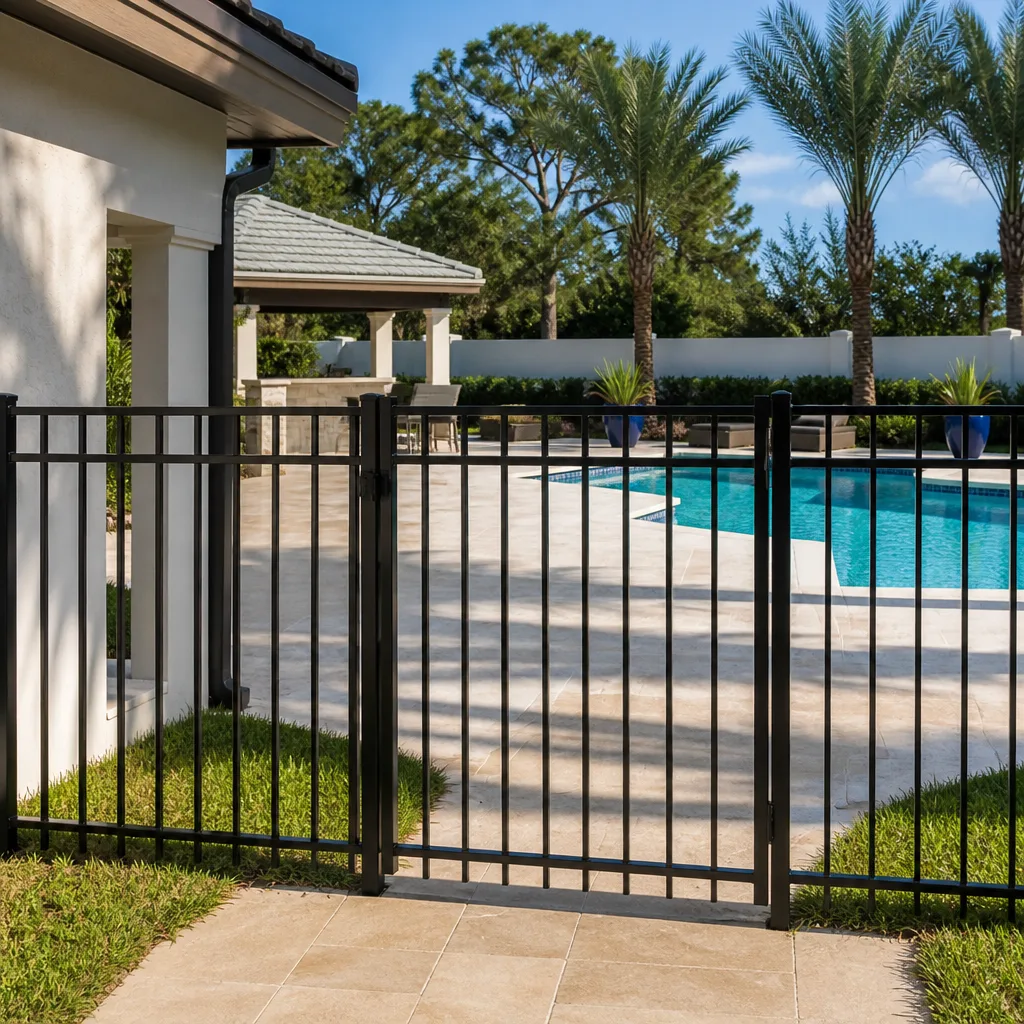
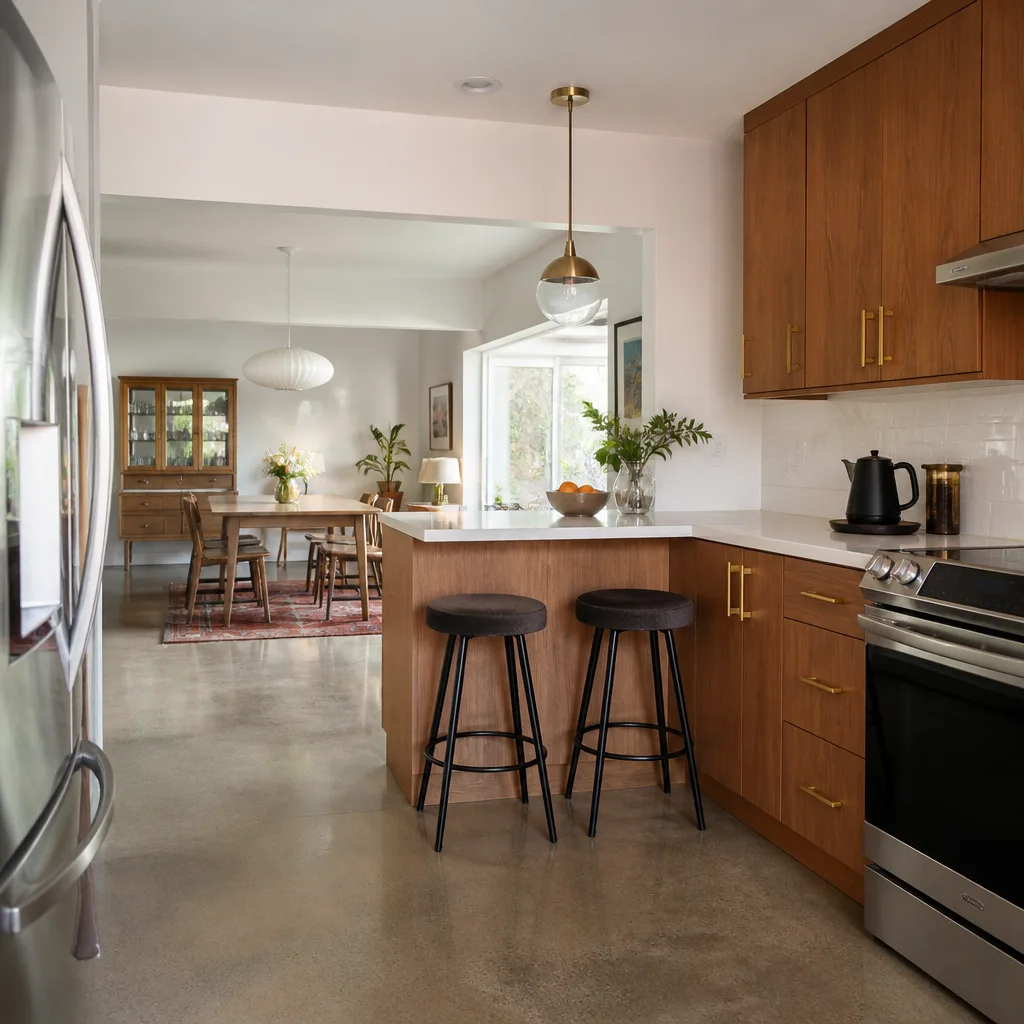
- Kitchen remodeling
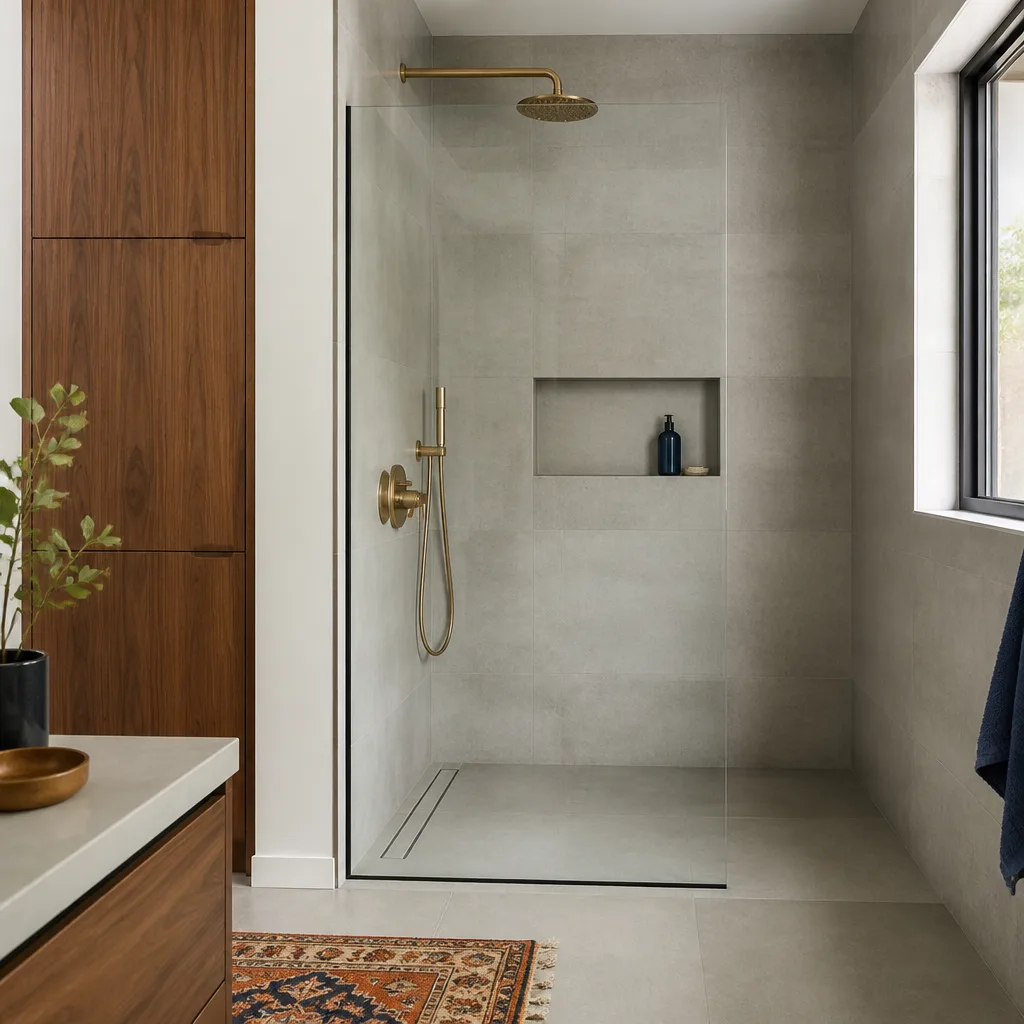
- Bathroom remodeling
- Home additions & ADU
- Roofing
- Windows & doors
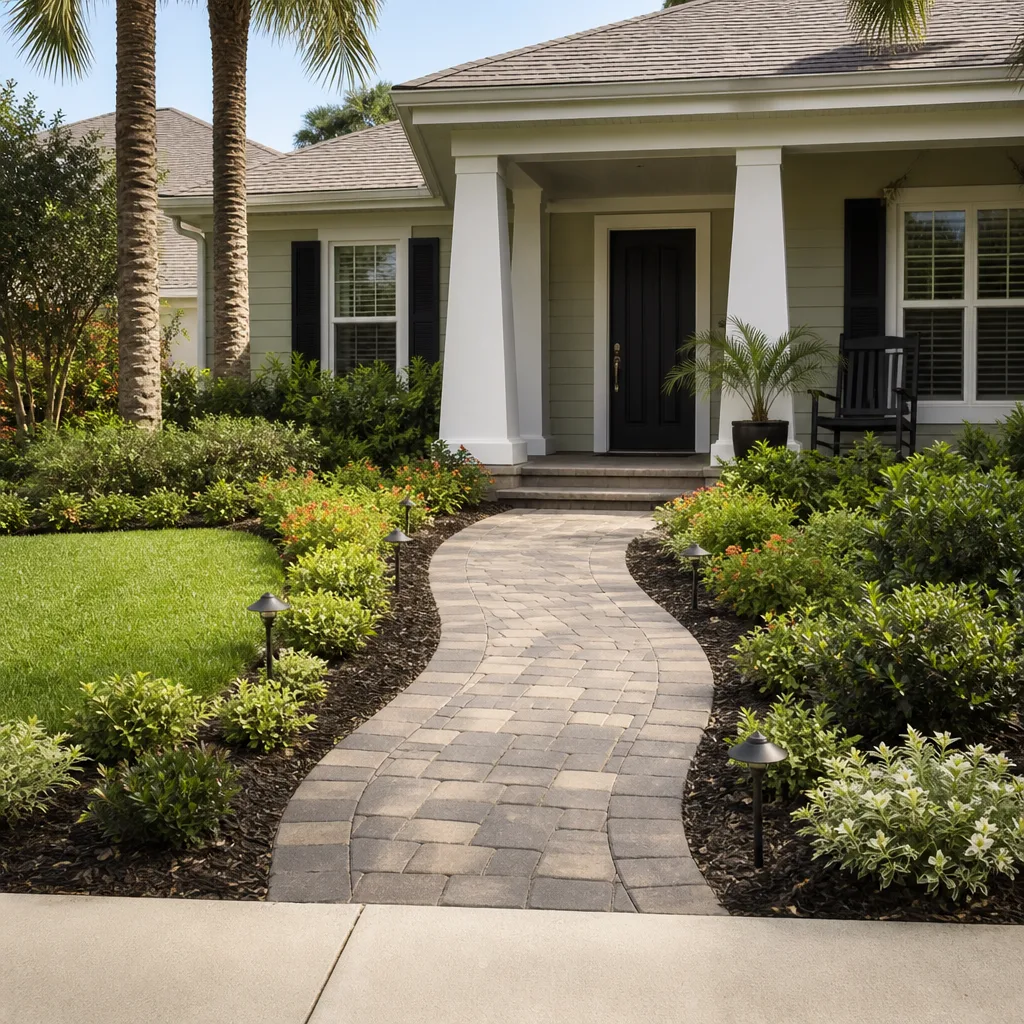
- Driveway & pavers
- Fence
Table of Contents
- Why brand selection in Aventura starts with a code document
- Roofing brands: how tile and shingle lines really differ
- Windows and doors: reading an approval before you buy
- Driveway and paver brands compared
- Kitchen and bath brands: stocked versus special-order
- What contractor brand relationships actually get you
- The questions to ask any contractor about brands
- Common mistakes to avoid
Why Brand Selection in Aventura Starts With a Code Document
Here’s the part most buyers skip. A product being sold in South Florida doesn’t mean it’s legal to install here. Roofing, windows, doors and shutters in the high-velocity zones are governed by product approval rules, and the proof is a Notice of Acceptance, or NOA, issued by Miami-Dade County. A NOA is not a marketing certificate. It’s a document with a number, an expiration date, and a defined installation method. If any of those don’t match your project, the approval doesn’t apply.
Aventura projects live or die on this detail. An inspector isn’t checking whether you bought a respected brand. They’re checking whether the exact product, installed the exact approved way, on the exact assembly, is covered. A roofer can buy the right tile and still fail an inspection by using a different fastener pattern than the NOA specifies. That’s why brand choice and installation method are one decision, not two.
Three things to confirm on any NOA before work starts:
- The approval number format and issuing body. Ask for the document itself, not a screenshot from a catalog.
- The expiration date. Approvals get revised and withdrawn. A current file matters more than a familiar logo.
- The installation method restrictions. Wind uplift ratings and fastener schedules are tied to how the product is anchored, not just what it’s made of.
When a contractor can hand you the NOA for the exact line they’re proposing, you’re not debating opinions anymore. You’re reading a file. Our technicians have up to 15 years of experience working with these approvals across South Florida assemblies, and it’s the first thing we pull for a client. If you’re planning a full exterior scope, start with the Construction Aventura overview of how the categories connect.
Roofing Brands: How Tile and Shingle Lines Really Differ
Brand names get used loosely in roofing conversations. Homeowners hear “Boral” or “Eagle” and assume one product equals another. It doesn’t. Roofing manufacturers run multiple product lines under one name, and those lines differ in wind uplift ratings, profile, and warranty terms. Two tiles from the same company can carry different approvals and different coverage. The brand is the family. The line is the product.
For Aventura’s climate, the variables that matter most are wind uplift performance and how a product handles sustained sun and heavy rain. Concrete and clay tile hold their color and profile well when the finish is specified correctly, which is why tile remains common here. But the finish spec and the underlayment system matter as much as the tile itself. A premium tile over a weak underlayment is a premium mistake.
When comparing roofing lines, put these side by side:
- Wind uplift rating for the specific assembly, not the generic product category.
- Warranty terms: what’s covered, for how long, and whether it’s transferable to a future owner.
- Color and finish stability under prolonged UV exposure.
- Approval status for your roof configuration and pitch.
- Local availability of replacement tiles or shingles if a repair is ever needed.
That last point gets ignored until it costs someone. If a line is discontinued or only stocked far away, a small repair can turn into a color match problem. Choosing a line with steady local distribution protects you years after the install. For the full roofing scope and how it fits the rest of your home, see our roofing work on the main site.
Windows and Doors: Reading an Approval Before You Buy
Windows and doors are where brand marketing and code reality diverge the most. A window can look identical to its approved sibling and not be covered. Impact-rated products need approval for the specific size, configuration, and installation method. Change the frame size or the anchor spacing and you may be outside the approval, even with the same brand name on the sticker. This is the detail that separates a real performance upgrade from a cosmetic replacement.
We work with impact-rated lines through PGT, CGI, and ES Windows, and the reason those names come up isn’t aesthetics. It’s the documentation trail. Each has current approvals for defined assemblies and defined installation methods. Aventura’s exposure to wind-driven rain means the installation detail at the perimeter is where failures happen, and an approval that specifies the anchoring method is what keeps water out of the wall cavity.
Before a window or door order is placed, ask your contractor to walk you through four things:
- Approval coverage for your exact size. Confirm the unit you’re buying is within the approved range.
- Installation method matching the NOA. Flashing and fastening detail should follow the document, not habit.
- Frame and glass configuration. Different options can carry different approvals.
- Warranty registration. Register in your name so the coverage follows the product, not the installer.
This is why we treat window and door work as a structural performance category rather than a finish upgrade. Get the documentation right and the product performs. Skip it and you own an expensive piece of glass with no approval behind it.
Driveway and Paver Brands Compared
Paver selection looks like a color choice and behaves like an engineering choice. Aventura driveways and outdoor surfaces take sustained sun, seasonal heavy rain, and regular vehicle load. Under those conditions, the differences between paver manufacturers show up in color stability, edge integrity, and how consistently the product is available through local distributors. The brand on the paver matters, but the product line and the distributor relationship matter just as much.
We install hardscape using Belgard, Unilock, Tremron, and Techo-Bloc, alongside Cambridge Pavers and Oldcastle. Here’s how the decision usually sorts out:
- Belgard: a wide system of coordinated paver, wall, and accent products, which helps when you want a driveway and outdoor living area to read as one design.
- Unilock: strong dimensional consistency across its lines, useful for large driveway fields where alignment and finish need to stay even.
- Tremron: reliable local availability, which shortens lead times and makes later repairs easier to match.
- Techo-Bloc: a deeper design range, with textured and contemporary profiles for buyers prioritizing appearance.
Two factors decide the outcome more than the brand name. First, the base. A paver is only as good as the compacted, properly drained base beneath it. Second, the joint and edge restraint. Skip either and the most premium paver on the market will settle and shift. When you compare quotes, ask specifically which line and which base spec each contractor is proposing. That turns a vague “we use quality pavers” into a real comparison. Our driveway & pavers page covers the full installation scope.
Kitchen and Bath Brands: Stocked Versus Special-Order
Here’s a scheduling truth that surprises homeowners: the lead time on a fixture can delay your whole renovation more than the construction itself. Inspection hold points run on a sequence. Framing, rough plumbing, and rough electrical have to be inspected before walls close. If a special-order valve or drain assembly isn’t on site when the plumber needs it, the inspection slips, and every trade behind it slips too. That’s why local availability is a brand decision, not just a convenience.
Aventura-area distributors stock a defined set of brands and product lines. Kohler fixtures, for example, have broad local distribution across core lines, which means common configurations are available when the schedule needs them. Designer-tier surfaces are a different story. Cambria, Silestone, and Caesarstone quartz are specified by slab, and lead times depend on the color and the distributor’s inventory. Ordering those early is part of good sequencing, not an afterthought.
Cabinetry follows the same rule. KraftMaid and Wellborn offer production lines with predictable lead times and designer lines with longer ones. The right brand often comes down to which line fits your timeline. Our approach is to line up selections against the schedule before demolition, so material decisions don’t stall the job. Fixture and finish choices need to be made at the design stage, not discovered mid-install.
Materials with manufacturer warranties also let you verify coverage independently. That matters more than any promise made at a sales meeting. When you buy designer-grade cabinetry or stone surfaces, the warranty is between you and the manufacturer. Your contractor’s job is to install to spec and register the product so that coverage holds. If you’re sequencing a full project, the home additions & ADU path shows how material selection ties into a larger build.
What Contractor Brand Relationships Actually Get You
A contractor’s brand relationships sound like a sales line until you need them to do something. The value shows up in three places: warranty registration, defect resolution, and technical support. When a contractor works regularly with a manufacturer, warranty paperwork is handled correctly and coverage is registered in the homeowner’s name. When a defect appears, the resolution path runs through a known channel instead of a cold customer-service line. That’s the practical difference.
With 50+ manufacturer brand partnerships spanning roofing, cabinetry, countertops, fixtures, windows, doors, hardscape, fencing, and ADU systems, we route those conversations directly. It’s a different experience than a homeowner buying a product retail and hiring a third party to install it. In that scenario, when something fails, the manufacturer points to the installer and the installer points back to the product. With a registered install and a working relationship, the technical questions get answered by people who know the line.
This is also where accountability gets clearer. One contractor managing multiple scopes, from fence installation to roofing to interior finishes, means fewer handoffs and fewer gaps where responsibility falls between vendors. The homeowner isn’t the project manager. The contractor is.
For ADU and addition projects, the choice between stick-built construction and prefab or modular systems through brands like Abodu, Dvele, and Mighty Buildings comes down to scope and timeline. Each path carries its own brand and approval considerations, and both should be evaluated against the same code standards as any other assembly on your property.
The Questions to Ask Any Contractor About Brands
A good contractor welcomes these questions, because the answers are already in the file. A weak one deflects. Use this list on every quote you collect.
- “Can I see the NOA for the exact product line you’re proposing?” Not a brochure. The approval document, with its number and expiration date.
- “Which product line, not just which brand?” A manufacturer’s name covers many lines with different performance.
- “Will you register the manufacturer warranty in my name?” Confirm who handles registration and when.
- “What’s the lead time on the specified materials, and does it fit the schedule?” Ask before demolition, not after.
- “Who handles a defect claim?” Get a clear answer on the process before you sign.
- “Are the materials stocked locally?” This affects both schedule and future repair matching.
If a contractor can answer all six with specifics, you’re dealing with someone who knows their materials. If the answers are vague, keep looking. The written estimate is where these answers should be documented, line by line, before any work begins.
Common Mistakes to Avoid
- Choosing by brand name alone. A respected manufacturer still sells multiple lines. Confirm the specific product and its approval for your assembly, not just the logo.
- Ignoring approval expiration dates. A NOA that’s expired or revised no longer covers your install. Ask for the current document before work starts.
- Special-ordering fixtures late. A delayed rough-in fixture can push inspection hold points and stall every trade behind it. Make selections before demolition.
- Comparing quotes without matching scope. Two paver bids drawing “quality pavers” from different product tiers aren’t the same job. Ask for brand and line on every line item.
- Skipping the base and underlayment specs. The most premium tile or paver fails over a weak substrate. The base is part of the brand decision.
- Buying materials retail and hiring a separate installer. When something fails, the manufacturer and installer can point at each other. Registered installs keep accountability in one place.
- Not asking about warranty registration. Coverage you can’t verify in your own name isn’t coverage you can count on.
See the difference
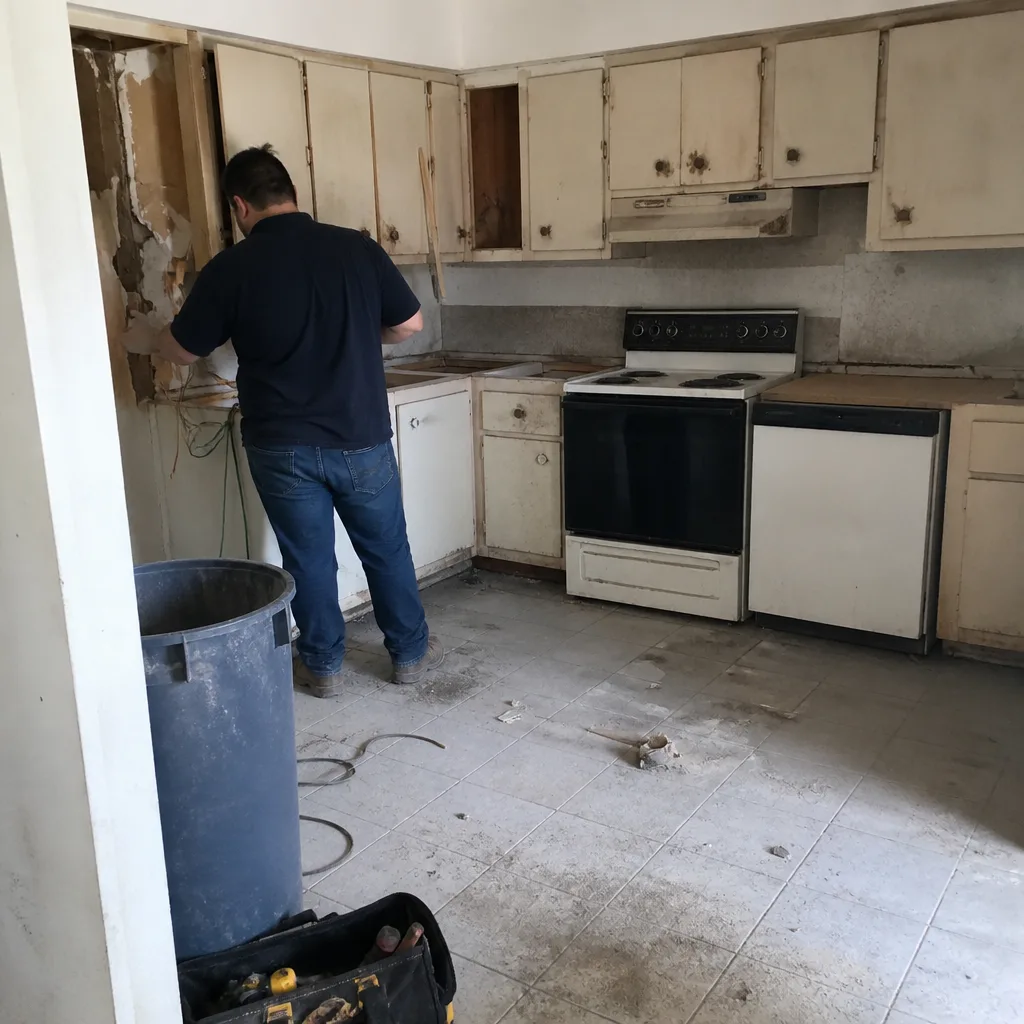 Before
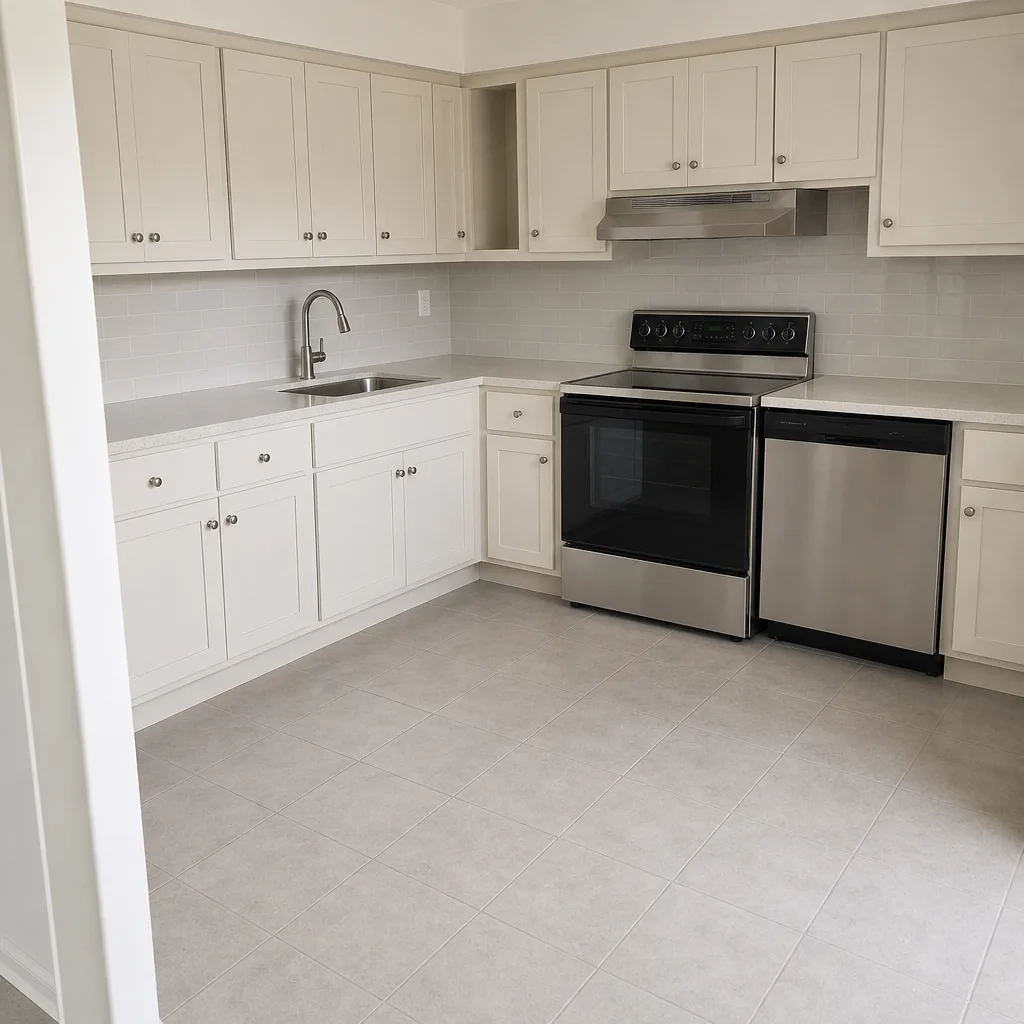 After
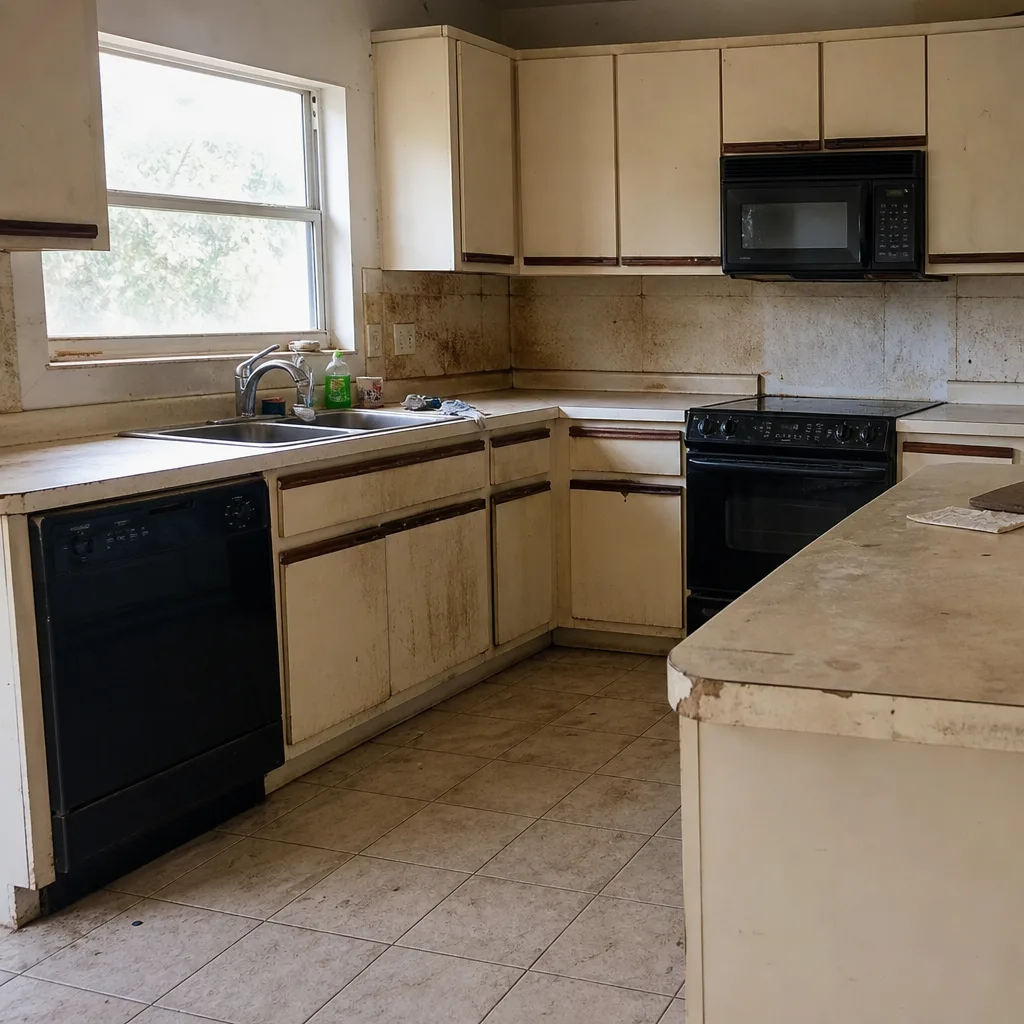 Before
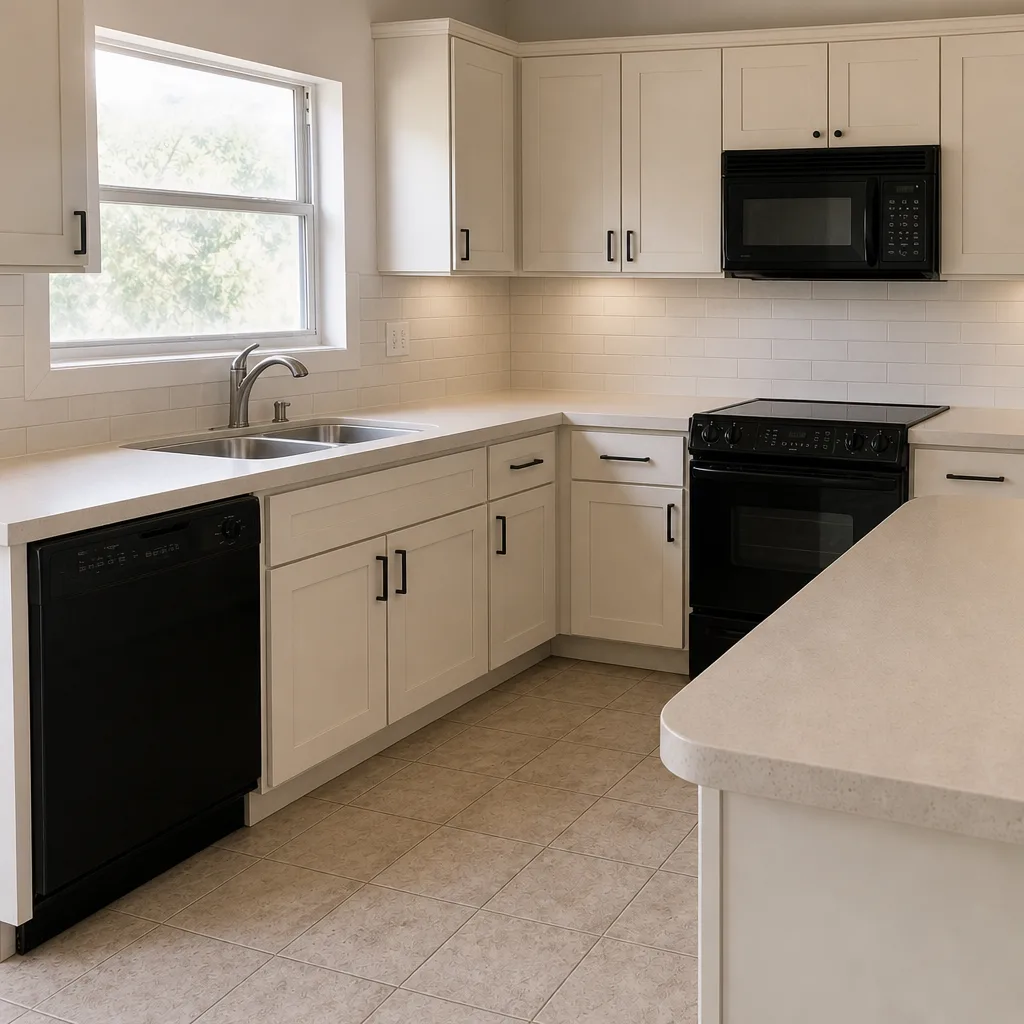 After
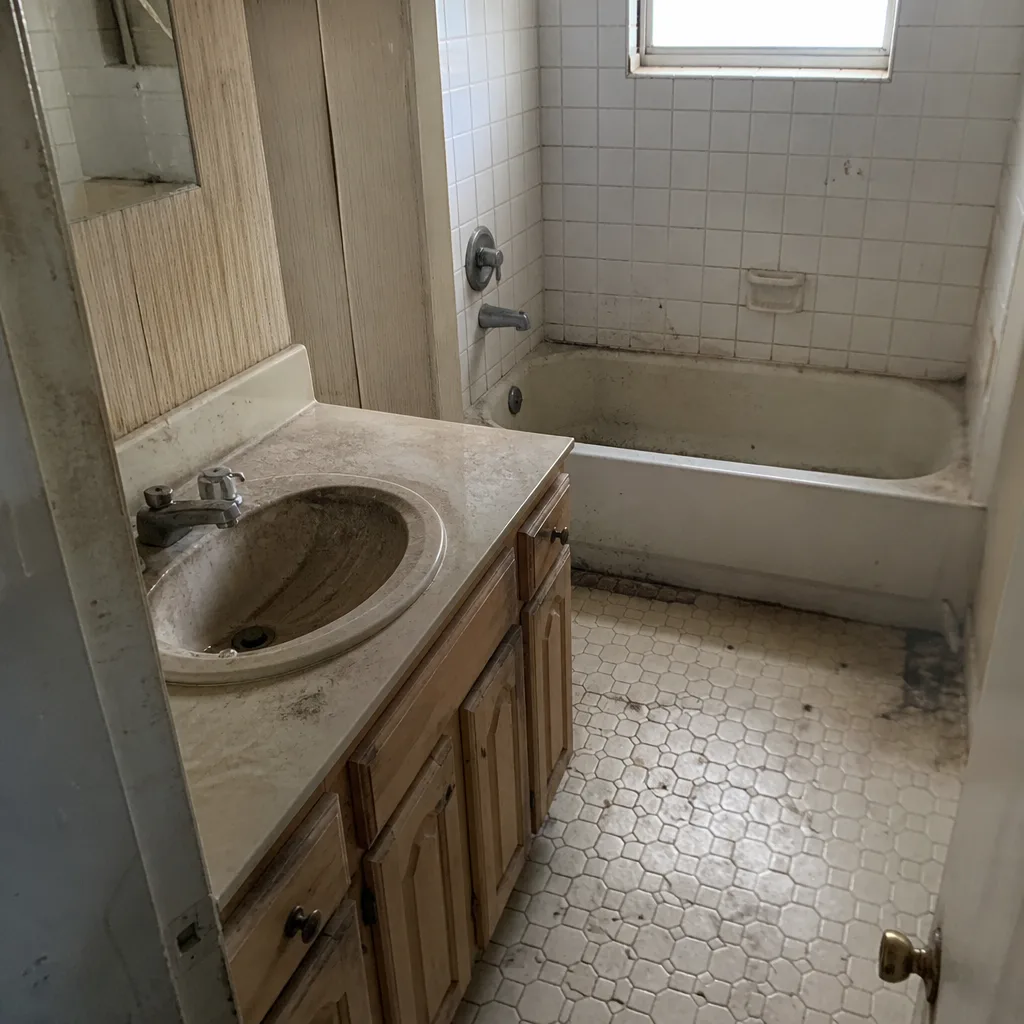 Before
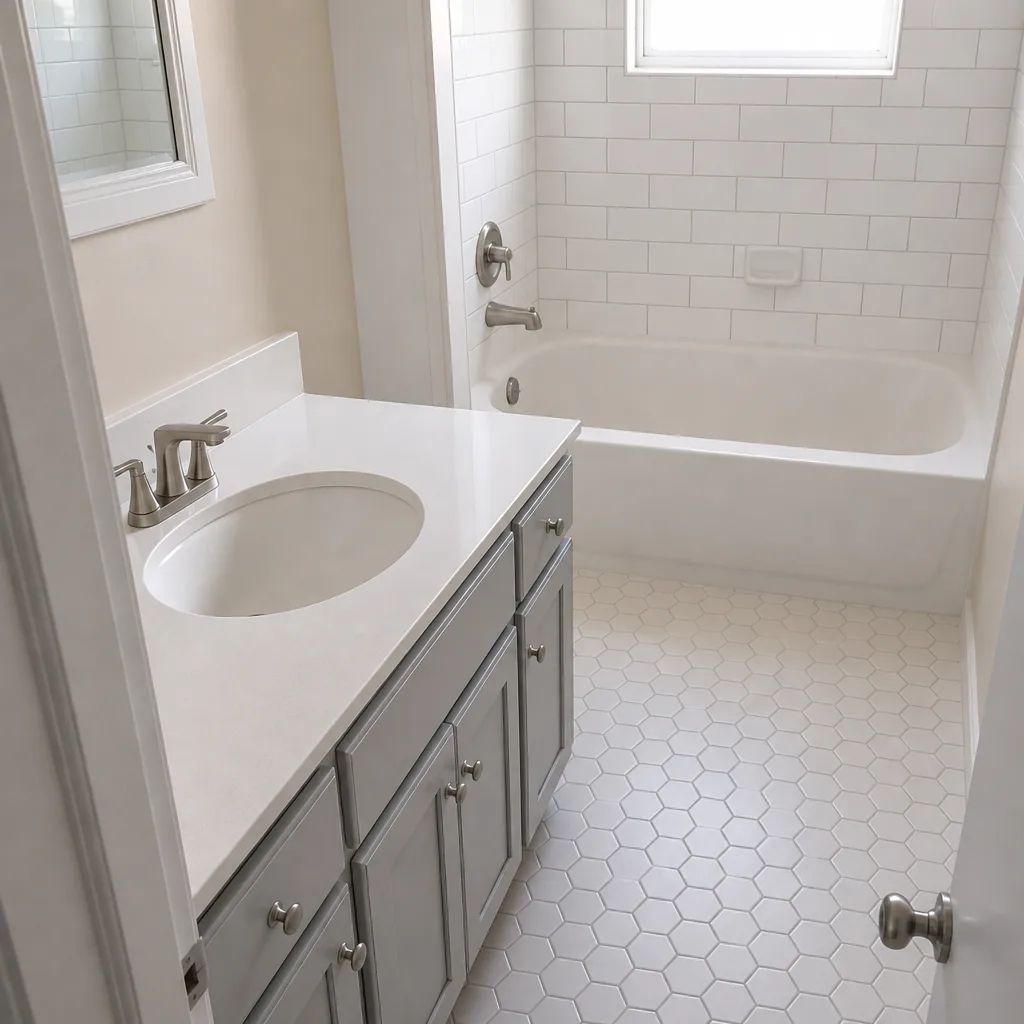 After
When to Call a Professional
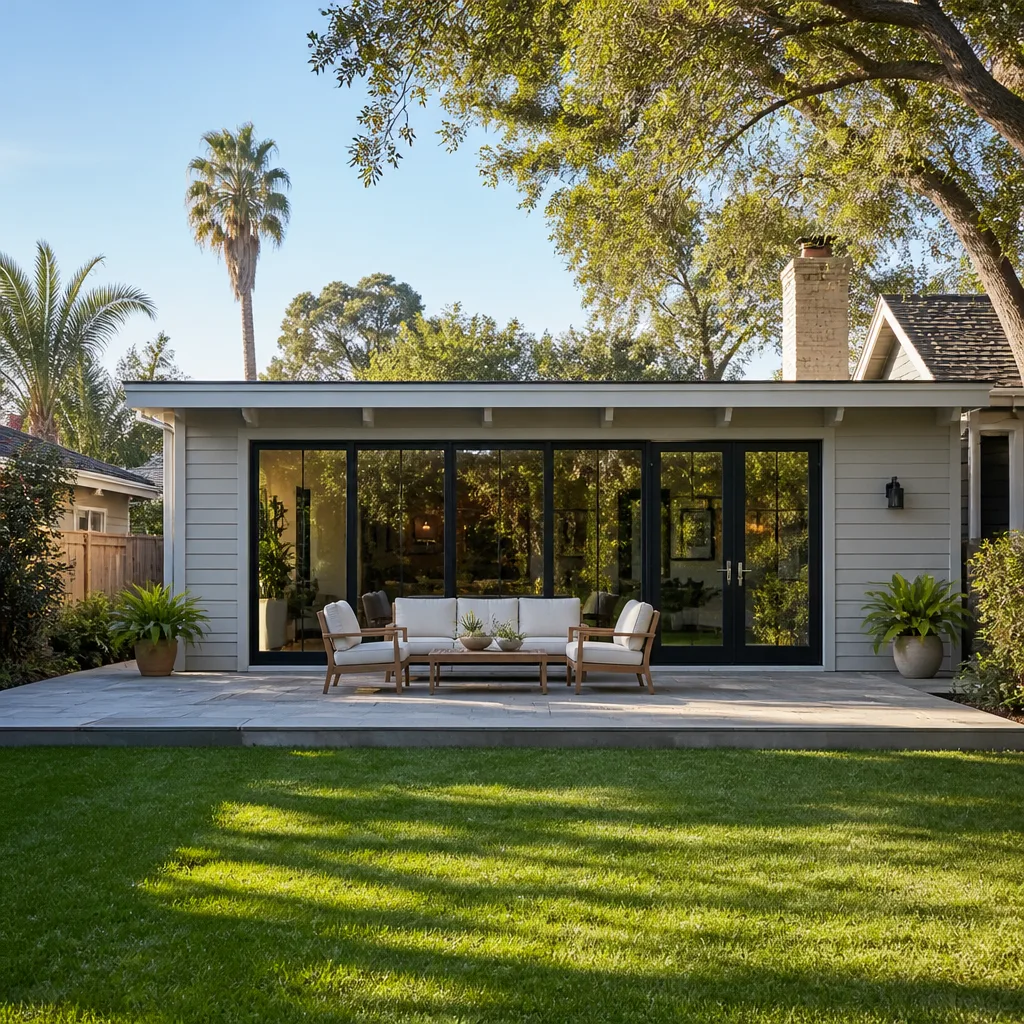
Some decisions are simple. Most of the ones in this guide aren’t. Call a professional when your project involves a code-regulated assembly, when you’re choosing between product lines you can’t compare on paper, or when several scopes on the same property need to move on one schedule. If a quote you’ve received doesn’t name specific product lines or reference approvals, that’s a reason to get a second opinion before signing. The stakes are real: a failed inspection or an unapproved product can mean redoing work you’ve already paid for.
Construction Aventura offers free estimates in Aventura. Call (833) 620-6514. We answer 24/7. Fast dispatch from 7am to 7pm, Sunday through Friday. Bring your questions and your current quotes, and we’ll walk you through which product lines carry the approvals your project needs. Estimates are free, and the written line-item quote sets the final price.
Frequently Asked Questions
A Notice of Acceptance is a document from Miami-Dade County confirming a specific product line is approved for a defined use and installation method. It covers the exact product, the assembly, and the anchoring method, with an approval number and expiration date. In Aventura, buyers should confirm the NOA matches their project before materials are ordered, because an approval that doesn’t fit your assembly doesn’t protect you. Call (833) 620-6514 for an exact quote, and estimates are free.
There’s no single best brand, because the right choice depends on which product line carries current approval for your roof assembly and how it performs here. What matters is wind uplift rating for the specific assembly, warranty terms, color stability, and local availability for future repairs. Compare lines, not just manufacturer names. Call (833) 620-6514 for an exact quote, and estimates are free.
All three are solid choices, and the differences show up in product range, dimensional consistency, and local distribution rather than in any clear winner. Your decision should weigh design goals, lead time, and future repair matching. The base specification and edge restraint under the pavers matter more than the brand name itself. Call (833) 620-6514 for an exact quote, and estimates are free.
It depends on the product line and whether it’s stocked locally or special-order. Stocked lines move quickly; designer surfaces like Cambria, Silestone, and Caesarstone depend on slab availability and color. That’s why fixture and finish selections should be made before demolition begins. Call (833) 620-6514 for an exact quote, and estimates are free.
It shouldn’t, and the written line-item estimate sets the final price before work begins. A firm quote names the product line, the quantity, and the scope, so there’s nothing vague to renegotiate. Vague quotes are where change orders come from. Call (833) 620-6514 for an exact quote, and estimates are free.
Yes. Permits are pulled and inspections passed as part of the work, which matters for code-regulated scopes like roofing and windows and doors. Ask any contractor to confirm in writing who handles permits and inspections. Call (833) 620-6514 for an exact quote, and estimates are free.
The Bottom Line
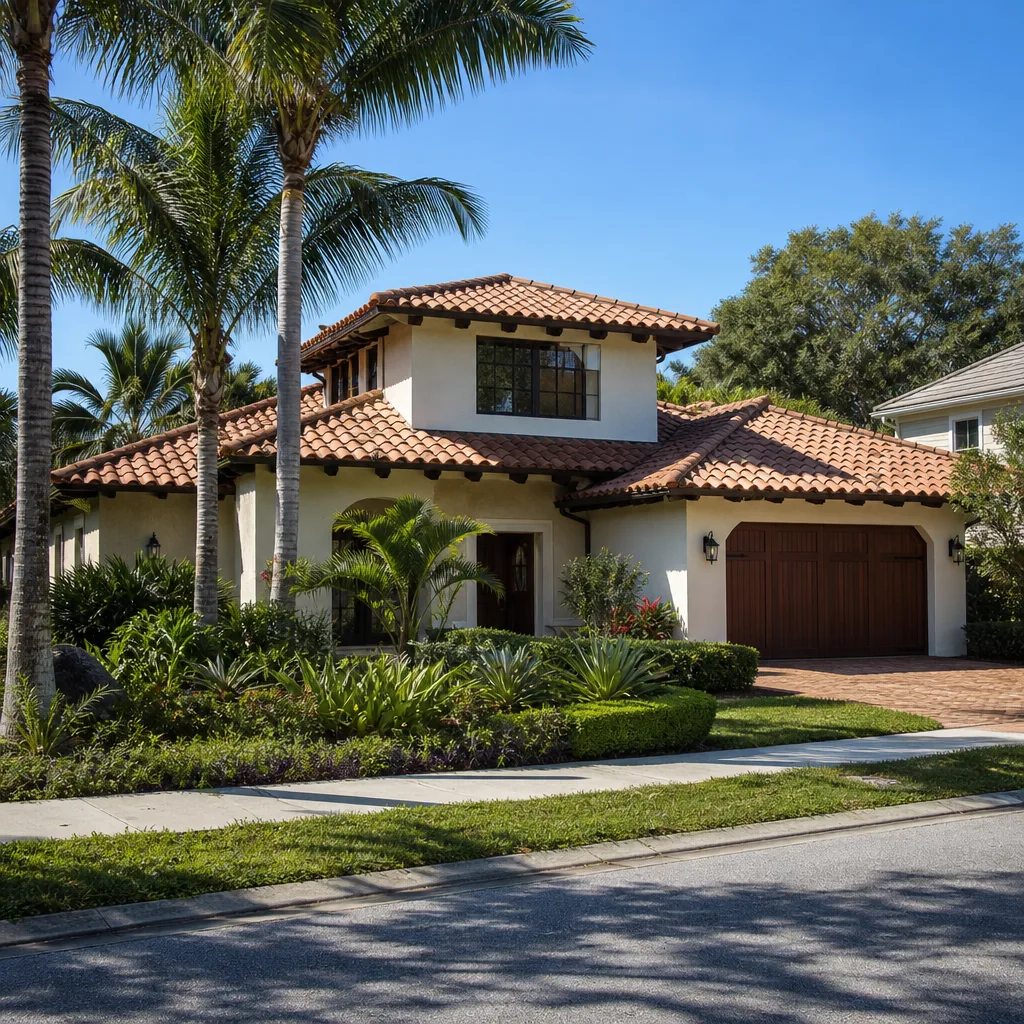
Brand selection for an Aventura project is a decision about approvals, product lines, and paperwork, not just appearance. Confirm the current NOA for your exact assembly. Ask which line, not only which manufacturer. Make material selections before demolition so inspection hold points don’t slip. Choose a contractor who registers warranties in your name and answers defect questions before you sign. Do that, and the brand you choose becomes a documented decision you can trust for years, not a guess that happens to look good. Read the approvals, compare the lines, and hold your quote to the same standard.
Written by the team at Construction Aventura.