Last updated November 18, 2026
Free written scope consultation - allowances, timeline, and change-order rules on paper before a single trade is scheduled
The Complete Driveway & Pavers Guide for Aventura Homeowners
Most driveway paver failures in Aventura don’t start at the paver. They start six inches below it, in a base layer that was specified for a different kind of lot. Aventura sits on ground that holds water – the water table under 33160 and 33180 sits close enough to the surface that a base built to inland South Florida standards will move, pump, and settle long before the pavers themselves show wear. The material you see is the last decision, not the first. In this guide we walk through what actually determines whether a driveway in Aventura holds up: base depth, aggregate choice, salt-air exposure on the surface, HOA submission rules at communities like Williams Island, Porto Vita, and Turnberry, and permitting triggers that separate a repave from a right-of-way project. By the end you’ll know how to spec a driveway instead of just picking a color.
Quick Answer
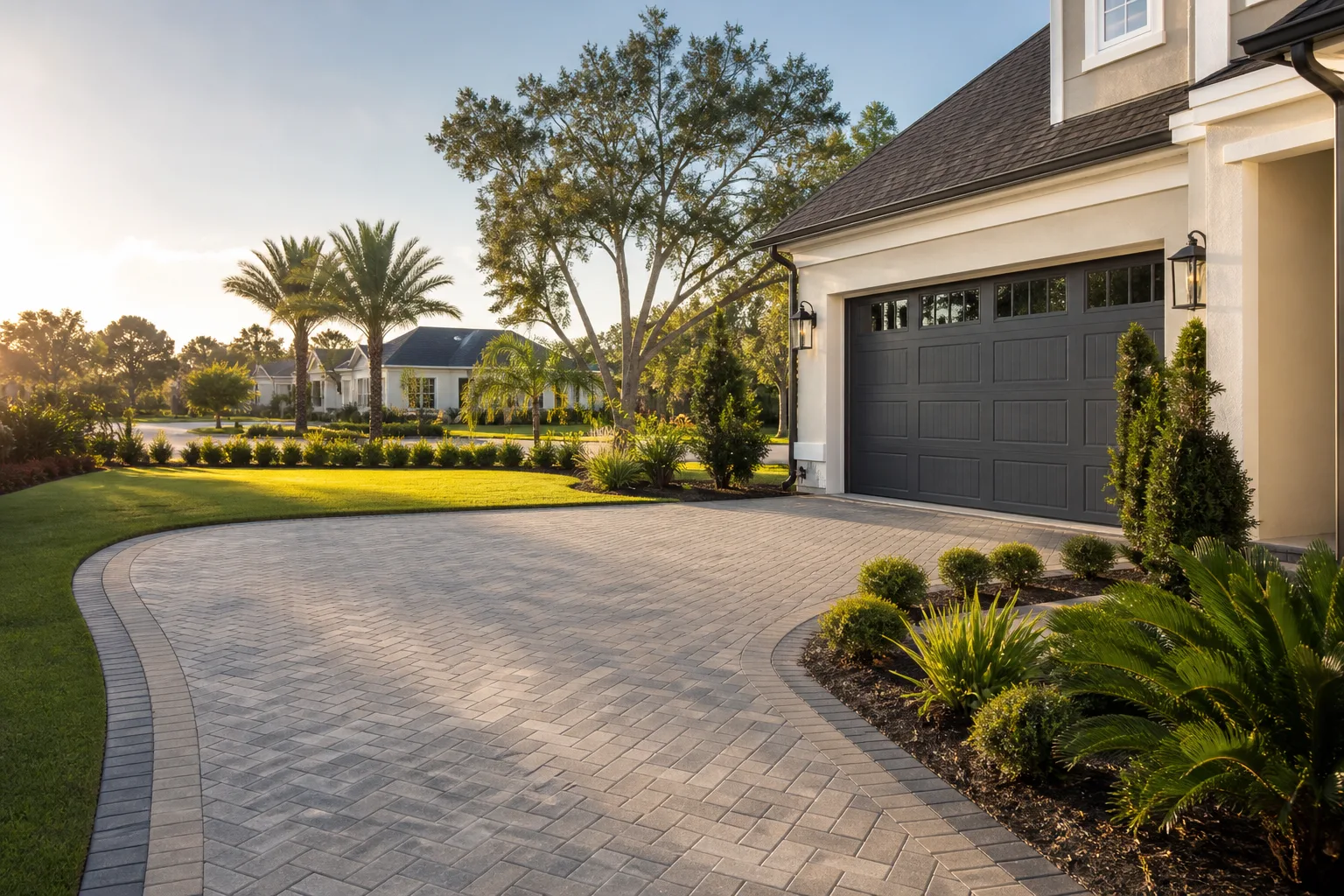
A successful paver driveway in Aventura depends more on base preparation than on the paver surface: because the local water table sits high, base layers need to be deeper and use open-graded aggregate so water drains instead of pooling under the slab. On top of that base, concrete pavers, travertine, and porcelain all perform well if they meet HOA color and texture standards and are rated for South Florida UV and vehicle loads. Get the base and the permit right, and the surface becomes a design choice rather than a gamble.
Styles & brands we work with
- Kitchen remodeling
- Bathroom remodeling
- Home additions & ADU
- Roofing
- Windows & doors
- Driveway & pavers
- Fence
Table of Contents
- How Aventura’s Water Table Changes the Base Spec
- Concrete Pavers vs. Travertine vs. Porcelain vs. Brick
- Aventura HOA Submission Checklist
- Permitting: When You Need Miami-Dade Right-of-Way Approval
- Brand and Product Options We Work With
- What a Paver Driveway Costs in Aventura
- How a Typical Aventura Driveway Project Runs
- Maintenance Through the Wet Season
How Aventura’s Water Table Changes the Base Spec
Driveway base in Aventura is a drainage design problem before it’s a structural one. The water table under much of the city sits high enough that a standard 4-inch compacted base – common on inland lots – can sit partially saturated during the wet season. When that happens, the base loses bearing capacity, the bedding sand above it pumps, and pavers begin to rut and shift. A base built for an Aventura lot typically needs more depth, better compaction in lifts, and aggregate that lets water move.
What that means in practice:
- Deeper base: We usually spec a base that runs deeper than the inland minimum, and confirm it against what the soil under the specific lot can actually drain.
- Open-graded aggregate: A crushed stone base that allows water to pass through rather than trap it. On lots with a genuinely high water table, a drainage layer or perforated underdrain is part of the base, not an afterthought.
- Compaction in lifts: Base placed in thin layers and compacted each time, not dumped and rolled once at the end. A plate compactor on 12 inches of loose stone does almost nothing at the bottom.
- Geotextile separation fabric: A woven fabric between the native soil and the base keeps fine soil particles from migrating up into the stone and clogging the drainage path.
- Edge restraint: A properly set edge restraint at the driveway perimeter holds the field in place and stops the pavers from spreading under turning loads.
Aventura’s rainfall pattern matters here too. The wet season delivers water faster than the ground can absorb it, so a driveway that drains well matters as much as one that looks right. A base built for Aventura conditions handles that cycle. A base built for a dry inland lot doesn’t. If you want to talk through how base depth applies to your specific lot, our driveway & pavers team can walk through it with you.
Concrete Pavers vs. Travertine vs. Porcelain vs. Brick
Four surface materials dominate the Aventura market, and each behaves differently under the same sun, rain, and HOA expectations. Here’s how they compare on the variables that actually matter for a driveway here.
- Concrete pavers: Best all-around value and the widest range of colors and textures. High-quality concrete pavers from Belgard, Tremron, or Florida Rock are engineered for South Florida UV exposure and resist fading, chipping, and salt-air oxidation better than older-generation products. They also take a high-density finish that holds up to tire turning.
- Travertine: Exceptional heat reflectivity – it stays cool underfoot in the middle of summer, which matters in a city where a sunbaked concrete driveway can be uncomfortable to walk barefoot. The trade-off is that travertine is a natural stone with variation and porosity, so it needs correct sealing and a solid base to prevent cracking. On an Aventura lot with movement risk, the base discipline matters even more than it does for concrete pavers.
- Porcelain: The most dimensionally stable surface of the four. Porcelain pavers are dense, nonporous, and resist staining, which makes them a strong choice for driveways that see pool overflow or landscape runoff. Premium porcelain from brands like Atlas offers the look of natural stone without the porosity. It’s also the most expensive surface per square foot of the four.
- Brick: Classic look, moderate cost, and a strong HOA fit for Mediterranean-inspired communities like Williams Island and Porto Vita. The catch is that brick is a fired clay product, and lower-grade brick in an Aventura driveway can absorb water and spall at the surface. Specify a high-density, non-porous brick made for exterior paving, not a brick made for walls.
Salt-air oxidation is real on this side of the intracoastal, but you won’t see it on a good paver. Where it shows up is in the metal edging, the sand infill (which can darken), and any steel reinforcement underneath. We spec non-corroding edge restraint and avoid metal fasteners where they’ll be in contact with soil.
Aventura HOA Submission Checklist
Most Aventura communities – Williams Island, Porto Vita, Turnberry, and many of the mid-rise associations – require a formal approval before a paver project can start, and the review is usually about consistency rather than design quality. A driveway that clears the design review is one that matches the accepted color palette, texture, and pattern expected at that specific community. A paver that looks beautiful on its own can be rejected if it doesn’t read as part of the neighborhood.
Before you submit, put together these items:
- Written scope of work: One page describing what’s being removed and what’s being installed, with square footage.
- Manufacturer product spec sheets: Manufacturer name, product line, model, and color. Belgard, Tremron, and Florida Rock all publish spec sheets you can attach directly.
- Color sample photo: A photo of the actual color, not a stock image from the manufacturer’s catalog.
- Layout and pattern drawing: A simple overhead drawing showing the paver pattern, driveway width, apron at the street, and any widened areas or turnaround.
- Contractor documentation: Insurance certificate, and a statement that the contractor will pull permits where required.
- Drainage detail: Where water will sheet off the driveway after a storm. Aventura HOA boards ask this more than they used to.
- Timeline: Estimated start and duration. Noise and staging matter in a dense association.
Submission windows vary by community, and some associations have a design review schedule that runs monthly rather than weekly. If your project has a deadline – a remodel or a sale – factor the approval time into your plan before the pavers are scheduled. We’ve done enough HOA submissions in Aventura to know which communities want a color board in person and which want a digital package, and we build that into the estimate. If your project also includes a fence or gate, that’s a separate association review – our fence installation page covers how those package together.
Permitting: When You Need Miami-Dade Right-of-Way Approval
A driveway replacement in Aventura usually requires only a routine residential permit when the new surface stays inside the existing footprint and doesn’t touch the right-of-way. When the scope crosses into the public right-of-way – a widened apron, a change to the curb cut, or any modification to where the driveway meets the street – Miami-Dade County typically wants a right-of-way approval before the work begins.
The triggers that most often push a project out of “simple replacement” and into “needs a right-of-way permit”:
- Widening the driveway at the street.
- Changing the curb cut location or width.
- Altering the sidewalk or swale crossing.
- Modifying drainage that affects the public swale.
- Any change to how stormwater leaves the property at the street line.
A straight swap of the pavers inside the existing boundaries usually stays on the simpler track. A driveway that gets wider or moves is a different application. We confirm the permit scope before a project starts, and we pull and close the permits – so the homeowner isn’t stuck discovering a right-of-way issue after the pavers are already ordered.
Brand and Product Options We Work With
The paver manufacturer matters as much as the installer, and the two are not interchangeable. We work with Belgard, Tremron, and Florida Rock – three companies whose products are engineered for South Florida sun and load conditions and whose warranties are independent of the contractor.
- Belgard: Strong catalog depth for driveways, with product lines rated for residential vehicle traffic and a color range that aligns with HOA palettes across Aventura communities.
- Tremron: Well-known in South Florida for high-density concrete pavers that hold color under UV and resist surface abrasion. The Miami and Naples product lines are commonly specified for residential driveways here.
- Florida Rock: A regional supplier with a strong local distribution footprint and a solid range of structural pavers for driveway and apron applications. Reliable for projects that need consistent color from batch to batch.
On the porcelain side, we use Atlas and similar dimensionally stable products for the look of stone without the maintenance. Camden, Tamko, and similar manufacturers come in when a project crosses from driveway into adjacent hardscape or when roofing is part of the same scope – the point being that we can source coherent materials across the envelope rather than mixing spec sheets from five different trades.
Behind those names are 50+ manufacturer partnerships across hardscape, roofing, fencing, windows, cabinets, countertops, and fixtures. That’s a selection advantage, but it’s also an accountability advantage: if a paver turns out to be defective, the manufacturer’s warranty is real and independent of us. We don’t have to hand back a promise.
The full scope we manage under one contract covers Construction Aventura projects from the roof down to the driveway – roofing, driveways and pavers, fencing, windows and doors, kitchen remodels, bathroom remodels, and home additions including ADUs. When a driveway project expands into a pool deck, patio, or side walkway, we don’t hand it to a second contractor.
What a Paver Driveway Costs in Aventura
Driveway paver pricing in Aventura runs higher than the inland South Florida average, mostly because of base depth, aggregate cost, and HOA coordination. The numbers below are typical ranges we see in the local market, not quotes. Every project gets its own written estimate based on square footage, base depth, material choice, permit scope, and site access. We don’t vary pricing by day of week or time of year.
| Item | Typical Range | What Drives the Variance |
|---|---|---|
| Base preparation (excavation, aggregate, compaction) | $6 – $12 per sq ft | Base depth, aggregate choice, drainage additions |
| Standard concrete pavers installed | $10 – $18 per sq ft | Product line, pattern, edge restraint |
| Premium concrete pavers (Belgard, Tremron, Florida Rock) | $14 – $24 per sq ft | Product line, color, finish |
| Travertine installed | $20 – $34 per sq ft | Stone grade, thickness, sealing |
| Porcelain pavers installed | $24 – $40 per sq ft | Product line, thickness, base spec |
| Brick installed | $16 – $28 per sq ft | Brick grade, pattern, edge restraint |
| Permit and HOA submission handling | $300 – $1,200 | Right-of-way review, association review requirements |
| Removal and disposal of existing surface | $2 – $5 per sq ft | Material type, site access |
For a rough total, a two-car driveway in the 400 to 600 square foot range, using standard concrete pavers with a full Aventura base, usually lands somewhere in the $7,000 to $16,000 range before HOA submission. That’s a range, not a quote. A larger driveway, a premium surface, a drainage system, or a right-of-way permit moves the number. The written line-item estimate sets the final price, and we don’t issue change orders for items that were spelled out at the start.
If you want a rough scope check before we get to the site, our home additions & ADU team is a good benchmark for how standard project pricing is structured across our categories – the same written estimate, line-item, change-order-free approach applies to a driveway.
How a Typical Aventura Driveway Project Runs
Here’s what a paver driveway project typically involves in Aventura, in the order we usually sequence it. Every project is a little different, but the shape of the work doesn’t change much.
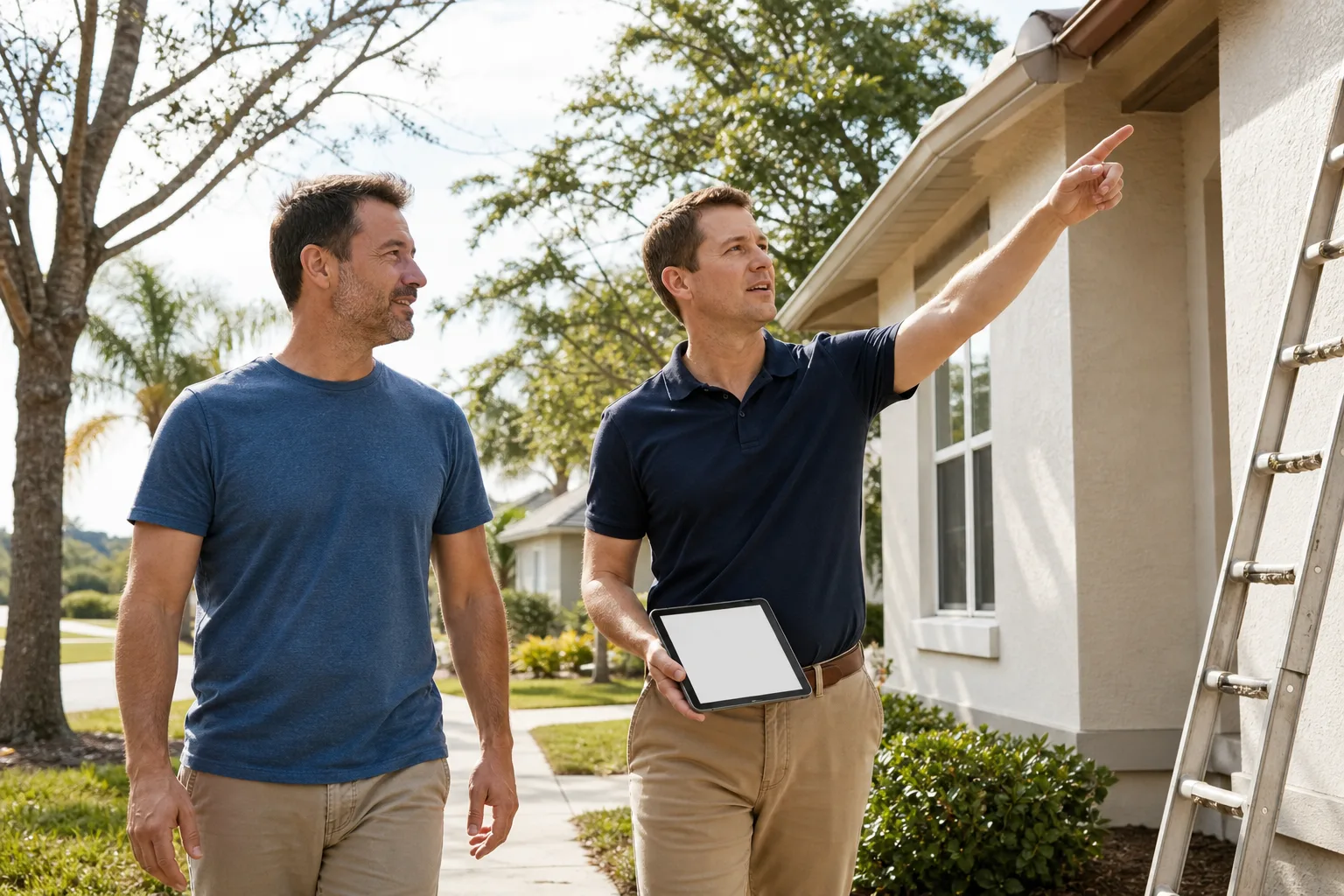
- Site visit and base assessment: We look at the existing driveway, the drainage, the lot grade, and the water table considerations that apply to the address. We also talk through HOA submission timing.
- Material and pattern selection: We pull product samples from Belgard, Tremron, Florida Rock, or Atlas depending on what you’re after, and confirm the color and pattern align with the community palette.
- Written estimate: Line-item, with base depth, aggregate, edge restraint, permit scope, and HOA submission included as separate lines. No change orders for items that were quoted.
- HOA submission: We package the scope, spec sheets, color photos, and layout drawing for the association review, and we track the response.
- Permits: Residential permit for a standard replacement, right-of-way approval where the scope touches the street.
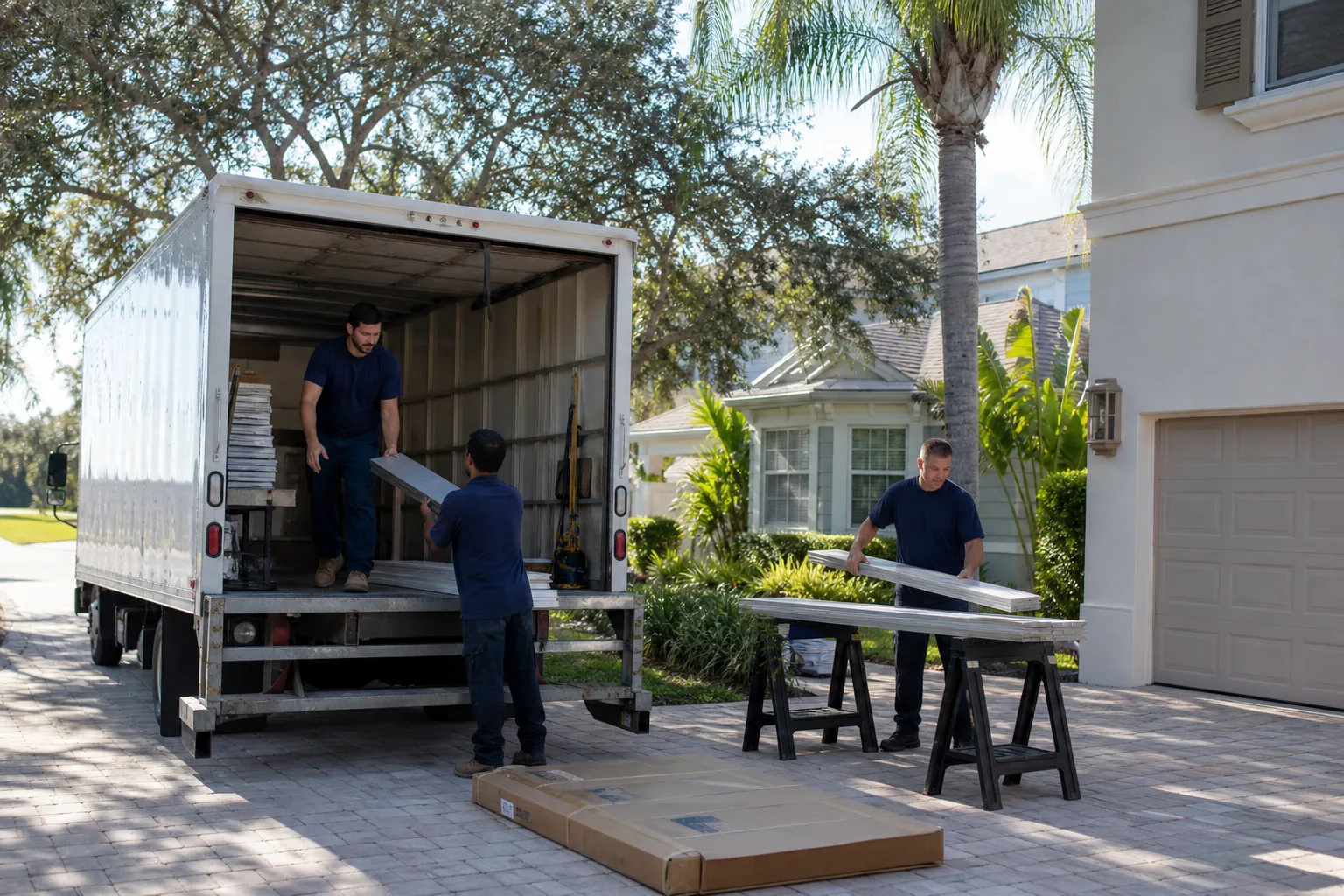
- Demolition and base build: Remove the old surface, excavate to spec depth, build the base in compacted lifts, install geotextile and edge restraint, and set drainage.
- Paver installation: Set pavers on a screeded bedding layer, cut edges and apron, compact the finished field, and sand the joints.
- Final walkthrough: We walk the finished driveway with you, confirm the surface and drainage, and close the permits.
That sequence matters because skipping any part of it is what produces the failures this guide opened with. If the base isn’t right, the pavers won’t hold. If the HOA submission isn’t right, the pavers won’t get installed. If the right-of-way scope is misread at the start, the project stalls at the worst moment.
Maintenance Through the Wet Season
An Aventura driveway needs two maintenance habits that a lot of homeowners skip, and both are about water. First, keep the joint sand topped up. Polymeric sand or stabilized joint sand fills the gaps between pavers and keeps water from running into the base. Second, wash the surface after the wet season to remove the fine silt and organic material that settles into the joints and starts to grow. Neither is a big job; both keep the driveway working the way it was built.
Every couple of years, walk the perimeter and check the edge restraint. Pavers spread outward first at the edges, then rut in the field. Catching a soft edge early is a small repair. Catching it after the base has failed is a project. On travertine and porcelain surfaces, reseal on the manufacturer’s schedule – porosity varies by product, and sealing on schedule is what keeps the surface looking new under Aventura sun. Salt air doesn’t attack a good paver, but it does affect metal edge restraint over time, and we spec restraint that doesn’t corrode.
Common Mistakes to Avoid
- Using inland base specs on an Aventura lot. A standard inland base is often too shallow and uses the wrong aggregate for the local water table. It may look fine at first and fail in the first wet season.
- Skipping compaction in lifts. A plate compactor run once over 12 inches of loose stone does nothing at the bottom. The base needs to be placed and compacted in layers.
- Specifying the surface before the base. It’s the same mistake in a different order – the base is the design decision, the paver is the finish. Start with drainage and depth.
- Ignoring the HOA review window. A three-week review plus a specific color approval can push a driveway project back a month. Plan the submission before the pavers are ordered, not after.
- Misreading the right-of-way scope. A driveway that looks like a simple replace can require a Miami-Dade right-of-way permit if it widens or shifts the curb cut. Confirm scope before work starts.
- Using wall brick for a driveway. Brick pavers made for walls can absorb water and spall when used under vehicle traffic. Specify exterior paving brick with a high-density rating.
- Skipping joint sand maintenance. Neglected joint sand lets water run into the base and undermines the whole system. Refill after the wet season.
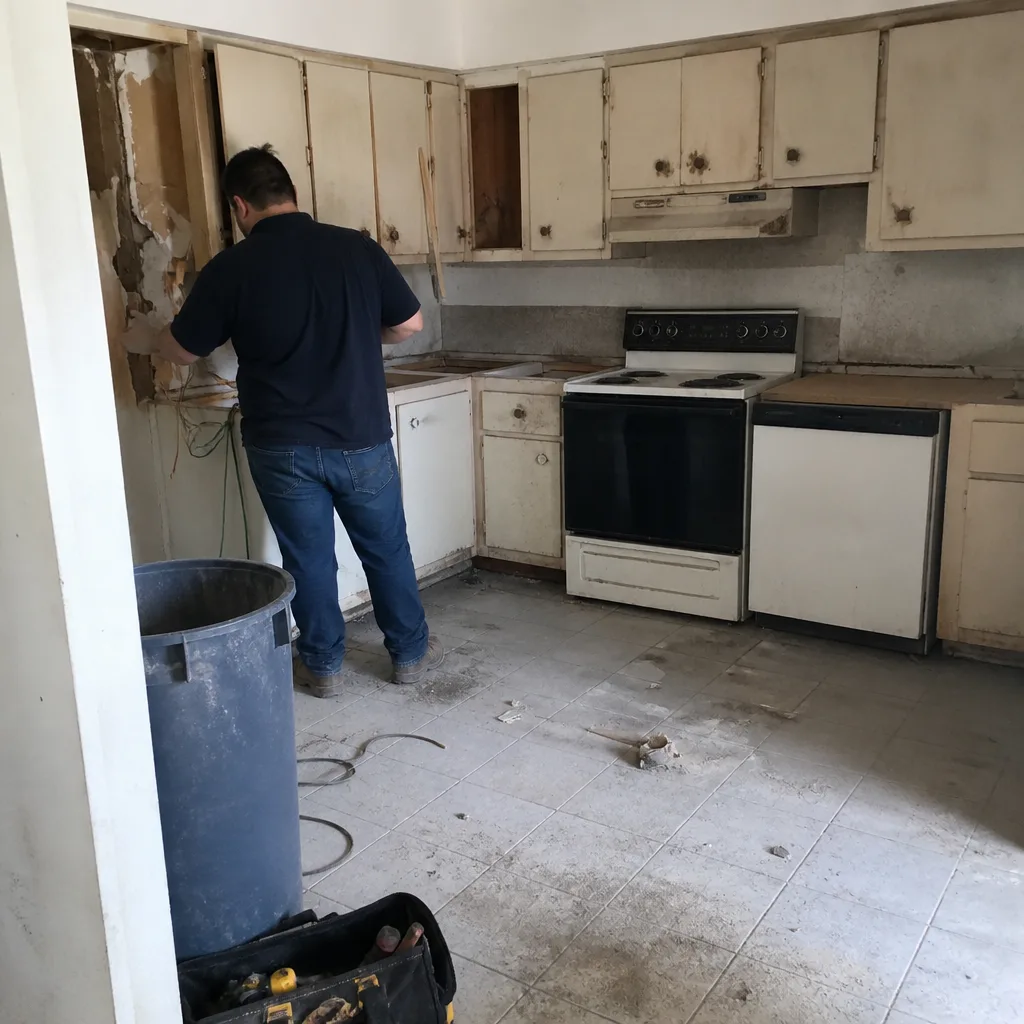
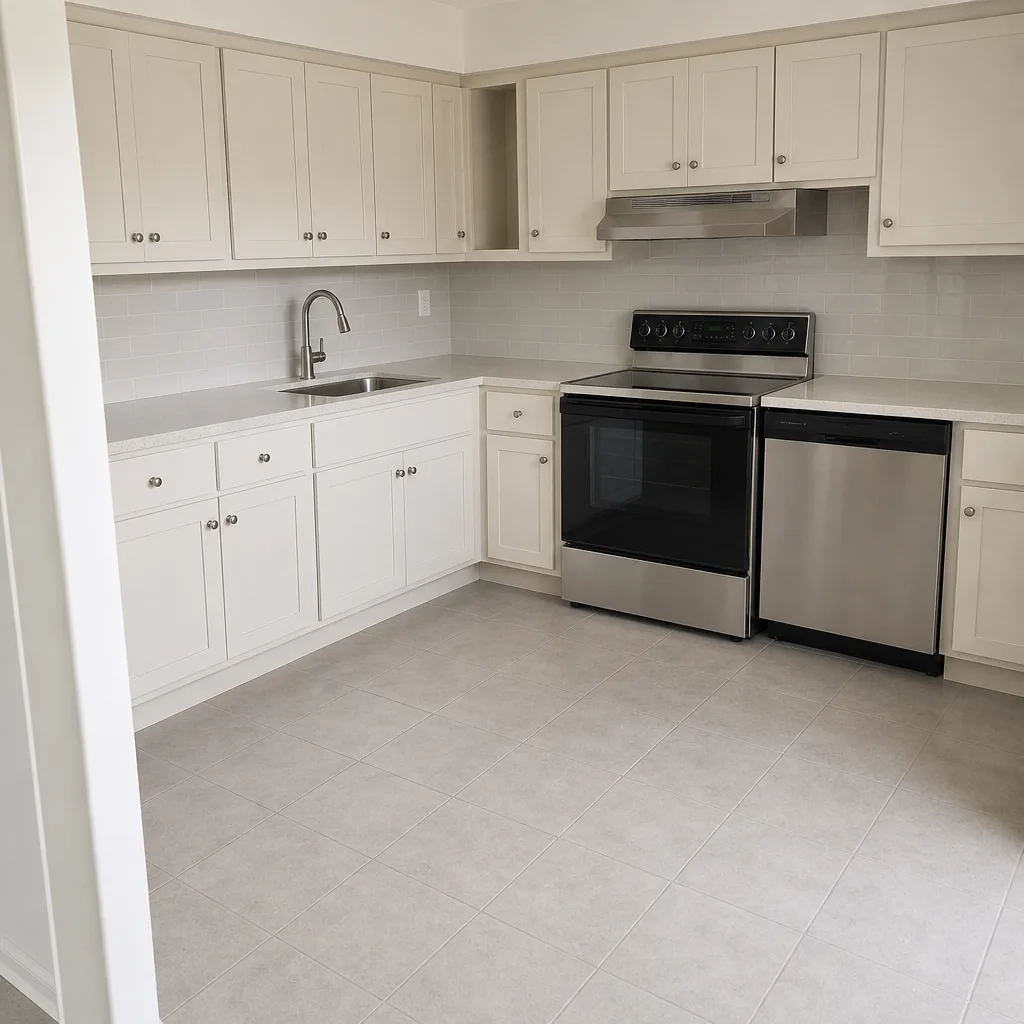
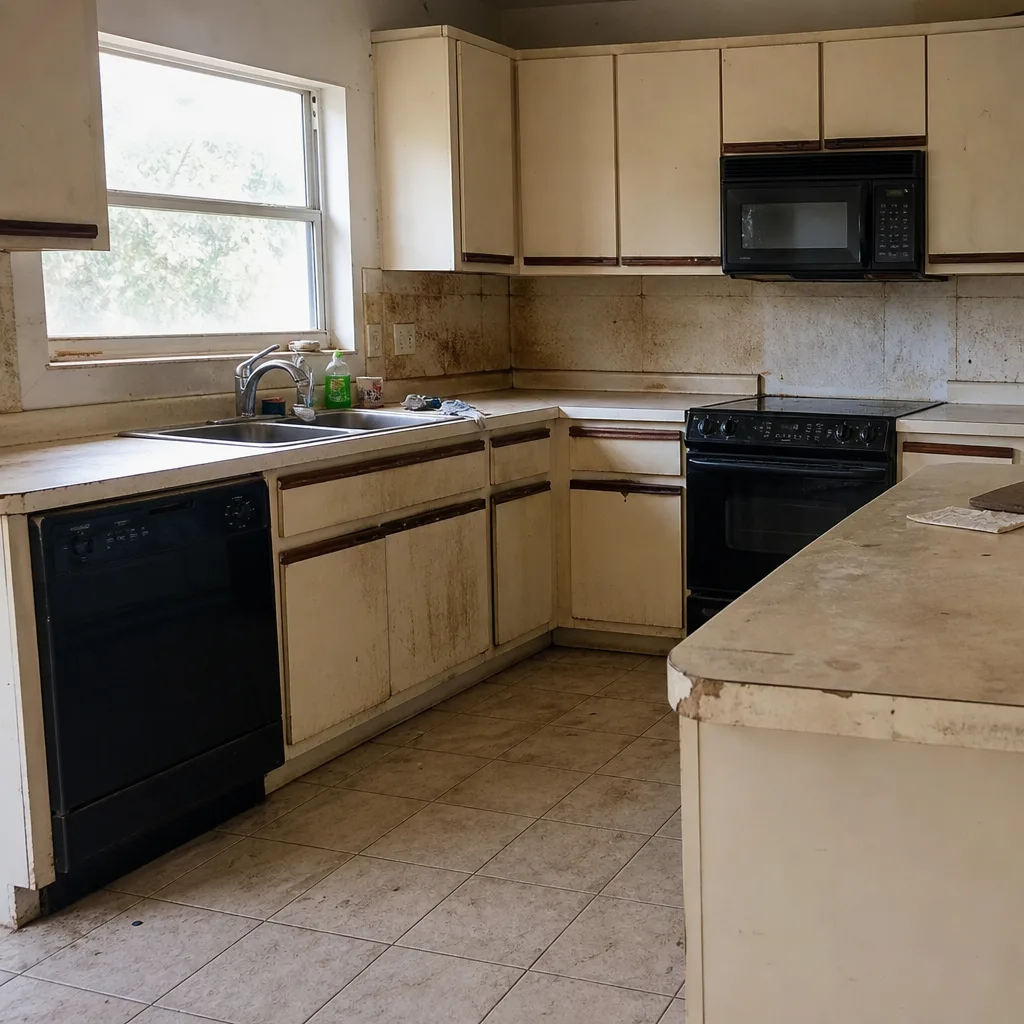
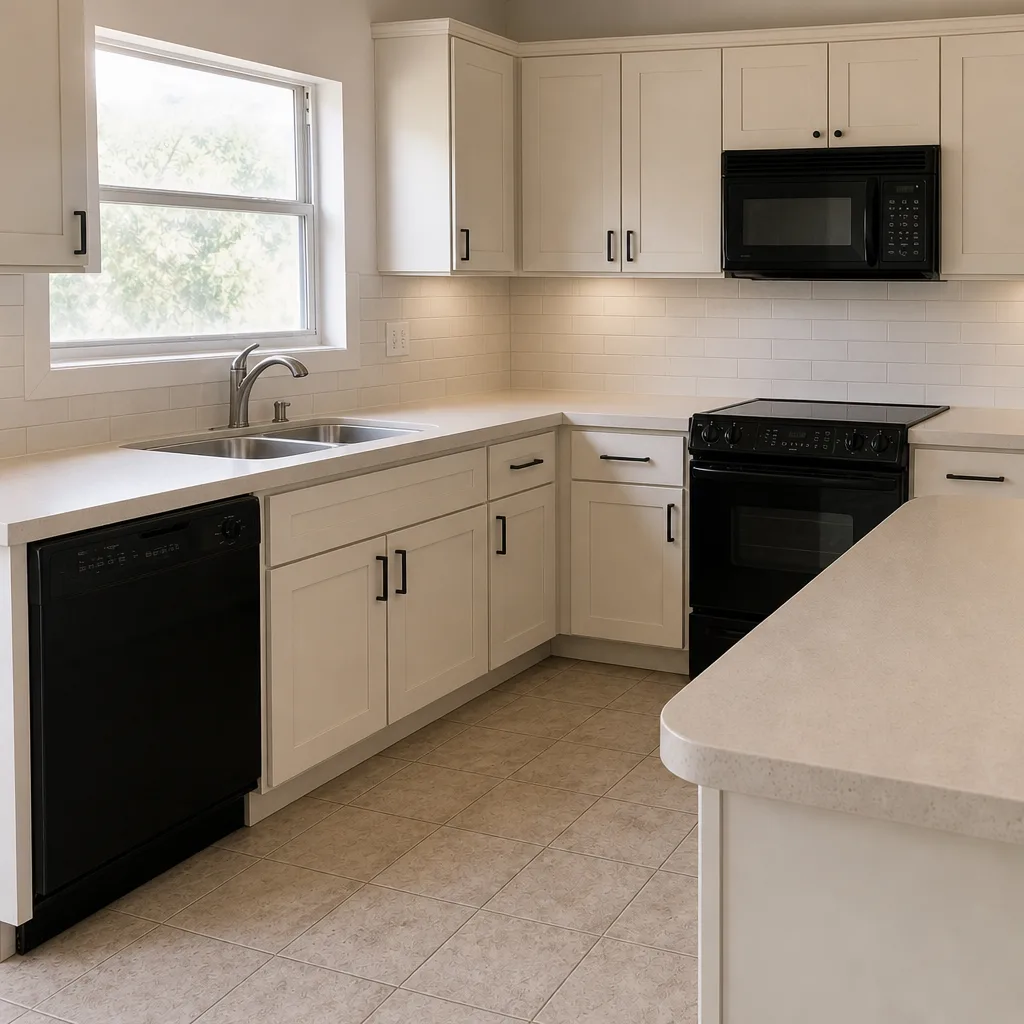
See the difference
 Before
 After
 Before
 After
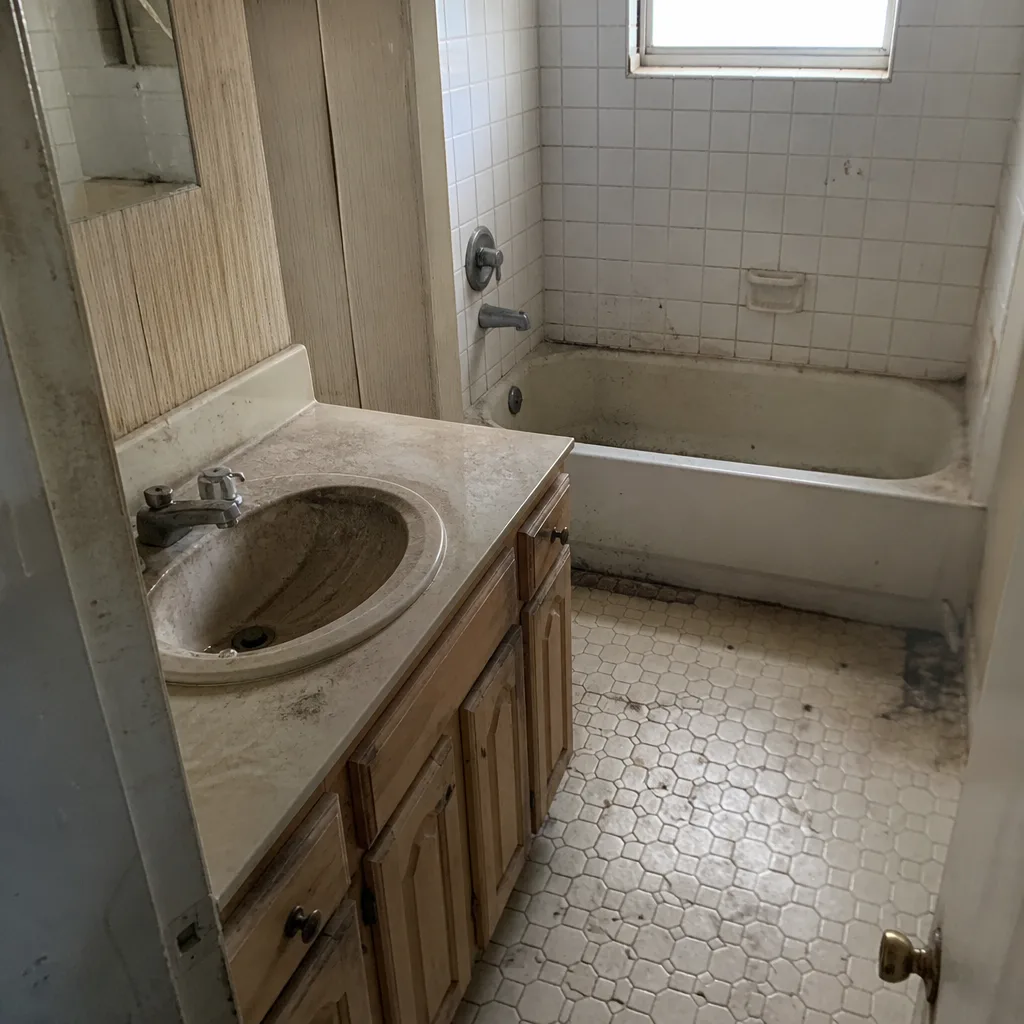 Before
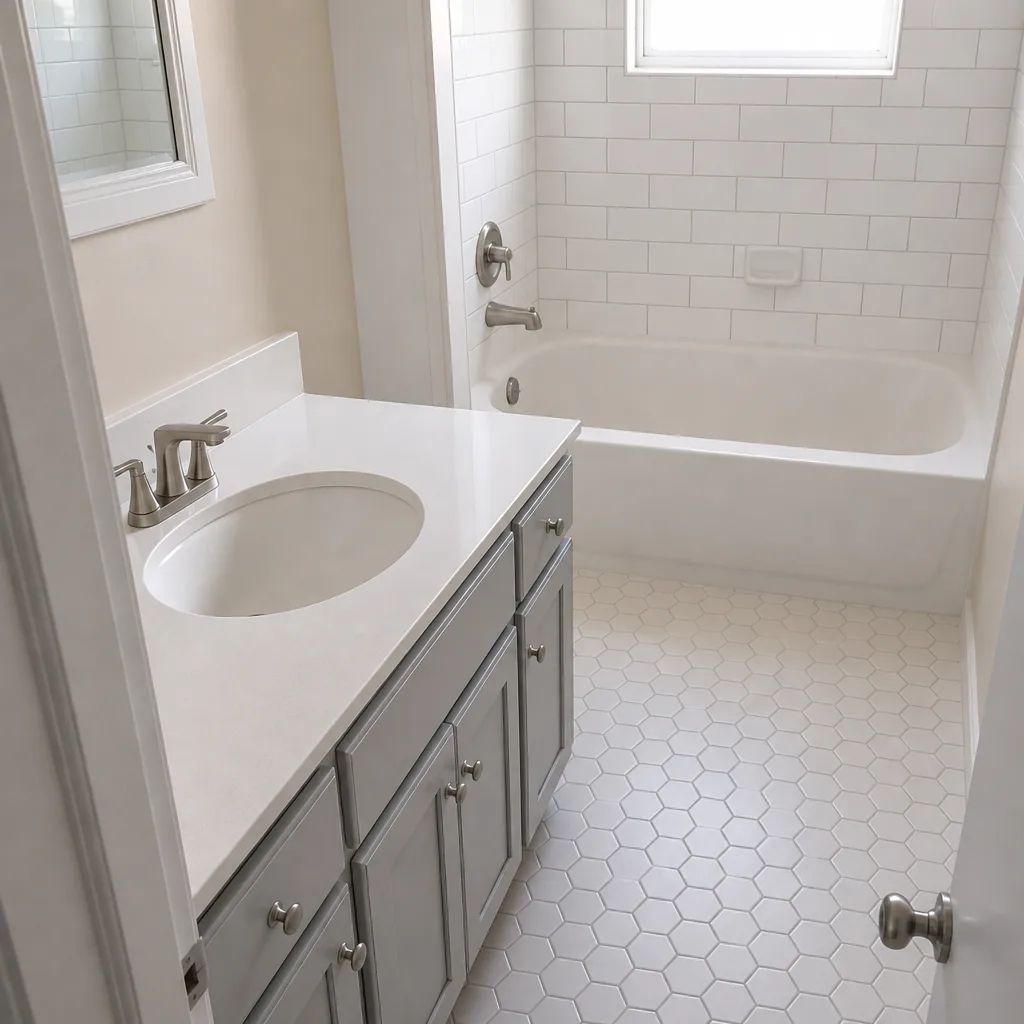 After
When to Call a Professional
Some driveway issues are cosmetic and can wait. Others are structural and can’t. Call a professional when you see movement at the edges (pavers shifting outward from the field), rutting that doesn’t recover after a dry stretch, ponding that stays for hours after rain, or pavers that rock underfoot when you walk on them. Those are base failures, not surface problems, and replacing the pavers without fixing the base just delays the same failure. Call a professional before a repave if your project involves widening the driveway, changing the apron, or touching the curb cut – those are the cases where the right-of-way permit question has to be answered before any work starts. And call before you place a material order if your community has an association design review, since the color and pattern approval comes before the pavers, not after. Construction Aventura offers free estimates in Aventura – call (833) 620-6514. We answer 24/7. Fast dispatch from 7am to 7pm, Sunday through Friday.
Frequently Asked Questions
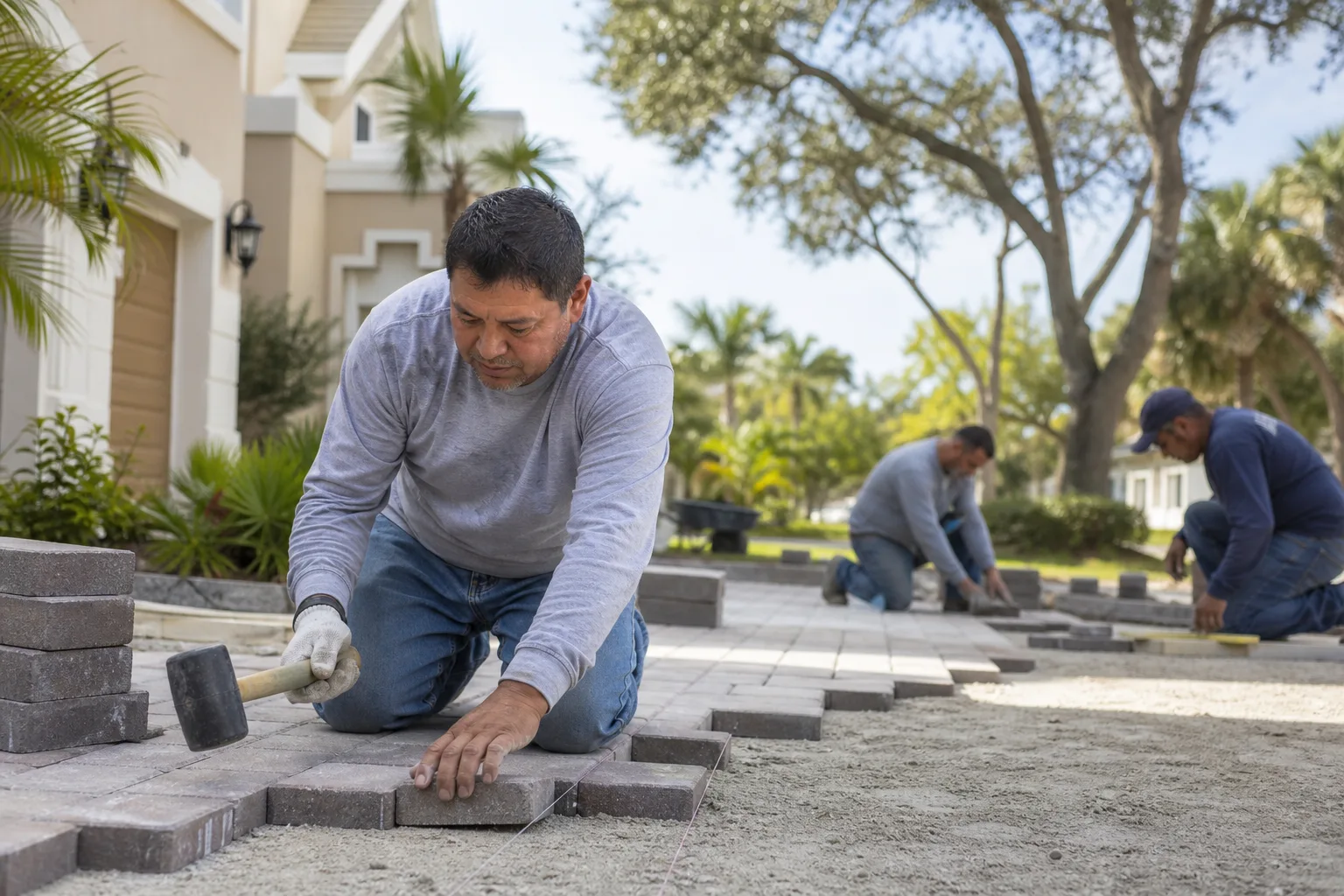
A paver driveway in Aventura typically runs $10 – $40 per square foot installed, depending on the surface, with concrete pavers at the low end, travertine and porcelain at the high end, and base preparation usually adding $6 – $12 per square foot on top. A standard two-car driveway with concrete pavers commonly lands in the $7,000 – $16,000 range before HOA submission. Call (833) 620-6514 for a written estimate – estimates are free.
Aventura lots sit over a higher water table than most inland South Florida communities, so a base that works a few miles west can sit partially saturated during the wet season and lose bearing strength. The fix is a deeper base, open-graded aggregate, geotextile separation fabric, and compaction placed in lifts. Call (833) 620-6514 to talk through what your lot needs.
Most Aventura associations, including Williams Island, Porto Vita, and Turnberry communities, approve paver driveways when the color, texture, and pattern match the community standard. The submission needs spec sheets, a color sample, a layout drawing, and drainage detail. We handle the submission package as part of the project. Call (833) 620-6514 and we’ll walk through your community’s requirements.
You typically need a residential permit for a standard driveway replacement, and a Miami-Dade right-of-way approval whenever the scope touches the public street – a widened driveway, a moved curb cut, or a change to the sidewalk or swale crossing. We confirm the permit scope before work begins and pull and close the permits. Call (833) 620-6514 to schedule a scope check.
High-density concrete pavers from Belgard, Tremron, or Florida Rock hold up extremely well against Aventura’s sun and wet season, and they’re the most cost-efficient option. Travertine stays coolest underfoot, porcelain resists staining and dimensionally stable, and brick gives a classic Mediterranean look when you specify exterior paving brick. The base matters more than the surface choice. Call (833) 620-6514 for material samples and a written estimate.
A typical two-car driveway usually takes one to two weeks on site for demolition, base build, and paver installation, plus permit and HOA review time. Base depth, site access, and the specific material affect the schedule. We give you a timeline with the written estimate so you can plan around it. Call (833) 620-6514 to schedule your free estimate.
The Bottom Line
Driveway pavers in Aventura are a base and drainage decision, and the surface is the visible result. Get the base depth and aggregate right for the local water table, submit the HOA package early at communities like Williams Island, Porto Vita, and Turnberry, and confirm the right-of-way scope before work starts. Then choose your surface – concrete pavers from Belgard, Tremron, or Florida Rock for value and durability, travertine for cool surfaces, porcelain for stain resistance, brick for a classic HOA fit. The material is a design choice. The base is what makes it last. Our technicians have up to 15 years of experience across hardscape and the six other service categories we manage under one contract – driveway and pavers, fencing, home additions and ADU, bathrooms, windows and doors, roofing, and kitchens.
Call (833) 620-6514 for a free estimate. We answer 24/7. Fast dispatch from 7am to 7pm, Sunday through Friday.
Written by the team at Construction Aventura.