Last updated November 18, 2026
Free written scope consultation - allowances, timeline, and change-order rules on paper before a single trade is scheduled
Construction Permits, Codes & Inspections in Aventura, FL: What You Need to Know
Most Aventura homeowners assume a permit is only required when walls come down. That assumption costs people real money at closing. A bathroom remodel with a relocated toilet pulls a plumbing permit in Miami-Dade even when every other part of the job is cosmetic, and unpermitted plumbing is one of the most common reasons an Aventura home sale stalls during a buyer’s inspection. The county runs a layer of code on top of the Florida Building Code that many neighboring jurisdictions don’t share, which is why advice from a friend in Broward can lead you straight into a failed inspection. This guide breaks down what actually triggers a permit in Aventura, how the county’s online portal handles an Aventura address, what an HVHZ product approval means, and how the inspection sequence works on an addition.
Quick Answer
In Aventura and the rest of Miami-Dade County, a permit is required for structural work, relocating or adding plumbing fixtures, new electrical circuits, any roof covering over 25% of the roof surface, and most window and door replacements. Permits are submitted through Miami-Dade’s online portal and every roofing material and exterior window must carry a valid Miami-Dade Notice of Acceptance (NOA) because the county sits in the High-Velocity Hurricane Zone. Work that skips the permit often surfaces during a home sale and has to be corrected or demolished before closing.
Styles & brands we work with
- Kitchen remodeling
- Bathroom remodeling
- Home additions & ADU
- Roofing
- Windows & doors
- Driveway & pavers
- Fence
Table of Contents
- What Triggers a Permit in Aventura (and What Doesn’t)
- How the Miami-Dade Online Permitting Portal Works for Aventura Addresses
- HVHZ Product Approvals: Why Every Roof and Window Needs an NOA
- The Inspection Sequence for an Addition or ADU
- Closing Out Old Permits When Buying or Selling in Aventura
- Who Pulls the Permit: Contractor vs. Owner-Builder
- What Permitting Adds to a Project Timeline and Budget
- Common Mistakes to Avoid
What Triggers a Permit in Aventura (and What Doesn’t)
Miami-Dade’s permit thresholds are more aggressive than what many homeowners expect. The line between a refresh and a permitted project usually comes down to whether the work touches structure, plumbing supply or drain lines, electrical circuits, or the building envelope. Cosmetic changes such as repainting, new cabinet fronts on existing boxes, replacing a faucet on an unchanged fixture, or installing new flooring over a sound subfloor typically don’t trigger a permit. The moment you move something, add a circuit, or open the exterior, you cross into permitted territory.
Here is the threshold matrix we walk Aventura homeowners through before quoting a job:
- Relocated plumbing fixtures – moving a toilet, sink, shower, or tub from its original location requires a plumbing permit. This is the single most overlooked trigger on a bathroom remodel.
- Structural wall removal – any load-bearing wall, even one that will be replaced with a beam, requires structural permits and engineering.
- New electrical circuits – adding an outlet, a dedicated appliance circuit, or moving a panel connection all require an electrical permit.
- Roofing over 25% of surface area – if the repair or replacement covers more than a quarter of the roof, the county treats it as a reroof and requires a permit, an NOA product, and inspections.
- Window and door replacement – because Aventura is in the HVHZ, every exterior opening replacement needs a permit and a product approval on file.
- Additions, ADUs, and garage conversions – structural, zoning, and life-safety review all apply, and the process is longer than an interior remodel.
- Fence and hardscape over certain limits – fences above a set height and driveways or pavers that alter drainage or right-of-way run into county and city review.
For an Aventura property, the city’s own zoning rules layer on top of the county code. That matters most on additions, ADUs, and anything changing the building footprint. When we scope an home additions & ADU project, we confirm the zoning envelope before we draw the first line, because a permitted structure that violates a setback becomes a much harder problem to solve.
Homeowners in Aventura often compare notes with friends in Fort Lauderdale or Hollywood and get a very different answer about what needs a permit. That’s because the HVHZ designation and Miami-Dade’s product approval requirements add a layer those cities don’t share. Treat any out-of-county advice as a starting point and confirm against the Miami-Dade rules.
How the Miami-Dade Online Permitting Portal Works for Aventura Addresses
Miami-Dade runs a fully online permitting portal, commonly called iBuild, that handles Aventura addresses. Both submissions and inspection scheduling go through that system. You don’t drive to a county office for a residential remodel permit; you upload plans, pay fees, and schedule inspections in the portal. That’s a meaningful improvement over the old paper-process years, but it also means the accuracy of what you submit matters more, because the system treats every upload as a formal record.
The submission flow for a typical Aventura residential project looks like this:
- Account registration. The contractor or owner-builder creates an account tied to a Florida license or an owner-builder affidavit.
- Project scoping. The scope is broken into permit categories – building, electrical, plumbing, mechanical – each with its own line item.
- Plan upload. Drawings, product approvals (NOAs for windows and roofing), and engineering are attached to the correct permit type.
- Fee payment. Fees are calculated by the portal based on valuation and scope; you pay online before review begins.
- Reviewer cycles. Plans examiners review and issue comments; the applicant submits revisions through the portal until approved.
- Permit issuance. Once approved and paid, the permit is issued and inspection scheduling opens in the same system.
- Inspection scheduling. Each hold point is scheduled individually, and the portal tracks results and any reinspection requirements.
The critical difference between a contractor submission and an owner-builder submission is that the owner-builder has to certify personal occupancy and can’t resell the property within a year of pulling the permit without triggering additional rules. An owner-builder also takes on every liability that a licensed contractor would otherwise carry. In our experience, the DIY path saves a permit fee and costs far more when something fails inspection. A licensed contractor submits under their license number, which stays attached to the permit record and becomes part of the public history of the property.
For Aventura homes with a condo association, the portal process is only half the story. Associations typically have their own architectural review, and a county-approved permit doesn’t override it. Confirm both layers before you start, or the schedule stalls. The Construction Aventura team typically walks clients through both review threads on the same week so nothing gets sequenced out of order.
HVHZ Product Approvals: Why Every Roof and Window Needs an NOA
Miami-Dade sits inside the High-Velocity Hurricane Zone, and that changes the product rules for anything on the outside of the building. Every roofing material, every exterior window, every exterior door, and every impact-rated shutter system has to carry a valid Miami-Dade Notice of Acceptance (NOA) or an equivalent Florida Product Approval that the county recognizes. An NOA is not the manufacturer’s marketing sheet. It’s a specific state-issued document with an approval number that the county can verify against the installation your contractor submits.
This is where Aventura projects get stuck most often. A homeowner picks a window they saw at a showroom or a roofing shingle they like on a neighbor’s house, and the contractor discovers the product doesn’t carry a current NOA for that specific profile. The permit gets rejected at plan review, the material has to be re-selected, and the schedule slips. We prevent that by confirming product approval before we finalize material selections. Brands like ES Windows, ECO Window Systems, and CWS all publish NOA documentation for their approved product lines, and we verify the exact model before quoting.
Here’s how to check an NOA yourself:
- Ask the contractor for the NOA number for the exact product, not the product family.
- Look the number up in the Miami-Dade product control database; the search is public.
- Confirm the approval is current, not expired or superseded.
- Check that the approved installation method matches the building’s construction type and the plan drawings.
The NOA also drives the inspection. A roofing inspector will compare the installed product against the approved NOA and the installation drawings. If a crew substitutes a different underlayment or fastener pattern than what the approval specifies, the inspection can fail even though the roof is functionally sound. Because of that, when we quote a driveway & pavers project alongside a roof or window replacement, we sequence the work so the membrane-level inspections happen before the finish layers go down. Skipping that order is one of the most expensive sequencing mistakes on an HVHZ project.
The Inspection Sequence for an Addition or ADU
An addition or ADU in Aventura goes through a specific inspection sequence, and every hold point is there for a reason. The county inspector needs to see the work at a stage before it’s covered. If a hold point is skipped, the fix is rarely cosmetic; sometimes it requires demolition of finished work to expose what the inspector needs to see. That’s not a scare tactic, it’s the mechanical reality of how inspection sequencing protects the homeowner.
The typical sequence for a stick-built addition or ADU:
- Site and foundation inspection. Footings, forms, reinforcement, and slab prep are verified before concrete pours.
- Foundation final. After the pour, the inspector confirms the foundation matches the approved drawings.
- Framing and sheathing. Wall and roof framing is checked for size, spacing, and attachment before insulation goes in.
- Rough-in for plumbing, electrical, and mechanical. Each trade is inspected separately, with hold points before walls close.
- Insulation. Verified after rough-in passes but before drywall.
- Drywall and interior finish. Sometimes a pre-drywall walk-through is required by the specific scope.
- Final building inspection. All trades are signed off, safety systems are verified, and a certificate of occupancy is issued.
For prefab and modular ADUs, the sequence is different because the unit arrives with its own factory inspection, but the site work, foundation, utility connections, and final inspection are still county territory. That’s why we offer both traditional stick-built construction and prefab systems through leading brands like Abodu, Dvele, and Mighty Buildings; the build method changes the timeline, but the county hold points still apply on site.
The lesson from the sequencing is simple: don’t cover anything until the inspector has seen it. In our experience, the projects that run smoothly are the ones where the contractor schedules each hold point as soon as the step is ready, not weeks later when drywall is already up.
Closing Out Old Permits When Buying or Selling in Aventura
“Closing out an old permit” means resolving an open permit that was never signed off by an inspector, so the record shows the work as completed and legal. In Aventura, this comes up constantly in real estate transactions. A previous owner pulled a permit for a bathroom or addition, the contractor disappeared before the final inspection, and the file stays open for years. When a buyer’s inspector or title search finds it, someone has to close it before the sale can proceed.
Responsibility typically lands on the seller, because the permit is attached to the property the seller is conveying. But there are important nuances:
- Who opened the permit determines who can close it. If the contractor opened it, the contractor may need to sign off on final inspections or formally withdraw.
- Who performed the work affects whether the county will accept a “completed without permit” path. Some unpermitted work can be legalized through a formal process; some cannot.
- Whether the work is visible and safe determines whether the county requires partial demolition to verify structural or life-safety elements.
If you’re buying an Aventura home, request the permit history from the county before you make your offer. If you’re selling, get in front of the issue: a pre-listing permit audit is far cheaper than discovering a problem during the buyer’s inspection. The county can usually tell you within the portal which permits are open and what inspections are outstanding.
Closing a permit that’s been open for years sometimes requires current code compliance, not the code in force when it was originally pulled. That surprises homeowners who expect to just “get the sticker.” A bathroom that was compliant in an earlier code cycle may need updates to pass a final inspection today. Budget for the possibility, and you won’t get blindsided by the scope.
Who Pulls the Permit: Contractor vs. Owner-Builder
Florida allows a property owner to pull a building permit as an owner-builder if they intend to occupy the home personally. That’s a real option for small projects. It’s also a real trap for anything structural, anything on the envelope, or anything that involves licensed trades such as electrical and plumbing. The state requires those trades to be performed by licensed professionals, and the county will not sign off a final inspection on work that wasn’t done by a licensed trade contractor.
The two paths break down like this:
- Licensed contractor submission: the contractor carries the license, carries the insurance, submits the plans, coordinates inspections, and remains on the permit record. If a future problem surfaces, the contractor of record is on file.
- Owner-builder submission: the owner certifies personal occupancy, takes on the liability, and must still hire licensed trades for their portions. The 12-month resale restriction applies. On resale within a year, the county can require additional scrutiny.
For Aventura homes, we strongly recommend the contractor path on anything that touches the envelope, structure, or electrical. On cosmetic scopes such as interior repainting, either path is fine, and neither usually requires a permit. When a homeowner plans to sell within a year of the project, the contractor path is far cleaner.
The team at Construction Aventura spans the entire envelope under one contract – roofing, windows, kitchens, bathrooms, hardscape, and additions – so the permit submission captures the entire scope under one license rather than fragmenting across multiple contractors and multiple permit files. That closes off a common problem where one trade’s inspection mismatch stalls the entire final.
What Permitting Adds to a Project Timeline and Budget
Permit fees in Miami-Dade are calculated from the valuation and scope of the work, so there’s no single dollar figure that applies across projects. What we can tell you is where the cost and time go, so you can plan around them. The application fee is one part. Plan review, revises, and inspection reinspection fees stack on top. And the sequencing means the project can’t fully compress a schedule even when the crew is ready and the materials are on site.
A realistic timeline view:
- Simple interior remodel with plumbing or electrical: plan review is usually the short leg; issuance and inspections extend the calendar past the construction work itself.
- Roofing replacement: product approval verification is quick if the material is pre-selected; inspections happen at membrane and final stages.
- Window and door replacement: each opening must match an approved product; the review cycle is where timelines usually slip.
- Addition or ADU: plan review, engineering review, zoning review, and the multi-stage inspection sequence all run in series, not in parallel.
For any of these, the written estimate is what sets the project price. We don’t quote permit fees as a flat number before we know the scope, and we don’t inflate the construction estimate to hide permitting. You see the line items, and you see the county fees separately. Estimates are free.
Impact-rated window and door upgrades through brands like PGT, CGI, and ES Windows are also the right time to plan the timeline. It’s not just the approval and install; it’s the inspection that has to happen before drywall wrap or finished interior trim, whichever the scope requires. Homeowners who plan their scope around the inspection sequence finish on schedule. Homeowners who sequence by convenience finish on the inspector’s schedule.
Common Mistakes to Avoid
- Assuming a cosmetic bathroom remodel doesn’t need a permit. If the toilet, sink, or shower moves, plumbing permits are required in Miami-Dade even when nothing else in the room is structural.
- Comparing Aventura rules to Broward or Orlando. Neighboring jurisdictions have different HVHZ, product approval, and inspection requirements. Out-of-county advice can get a project rejected at plan review.
- Ordering materials before confirming the NOA. A beautiful window or shingle is useless if it doesn’t carry a current approval for that model and installation method. Verify first, order second.
- Skipping an inspection hold point. Covering plumbing rough-in with drywall before the inspector sees it typically requires demolition to fix. It’s slow, it’s expensive, and it’s avoidable.
- Letting a previous owner’s open permit ride. Open permits on a property in Aventura stall closings at the inspection stage. Resolve them before listing or before making an offer.
- Assuming the condo association’s review replaces the county permit. Both apply, and they follow different timelines. Miss one and the project pauses.
- Letting the general contractor and the window contractor submit as if they’re separate projects. When scopes are pulled under different licenses, the coordination falls on the homeowner. A single permit scope with one contractor of record prevents the stall.
See the difference
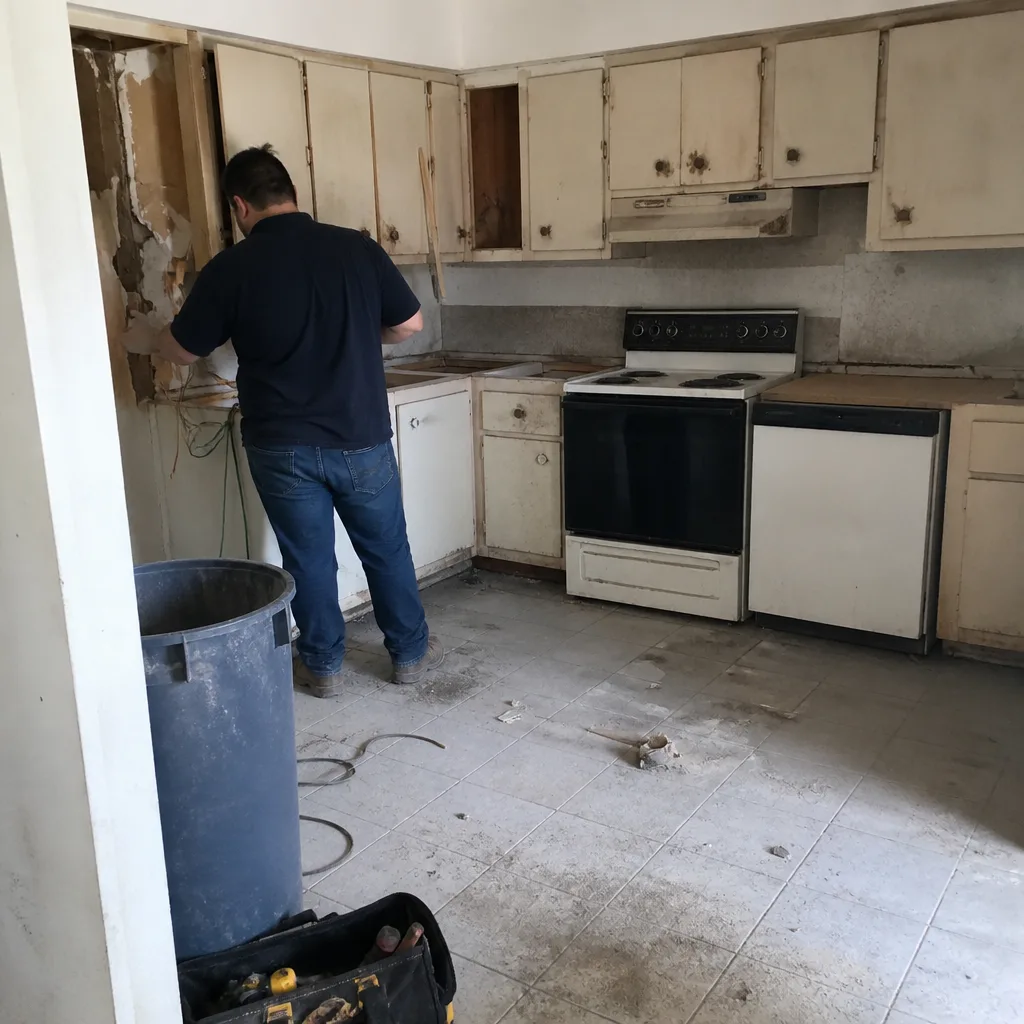 Before
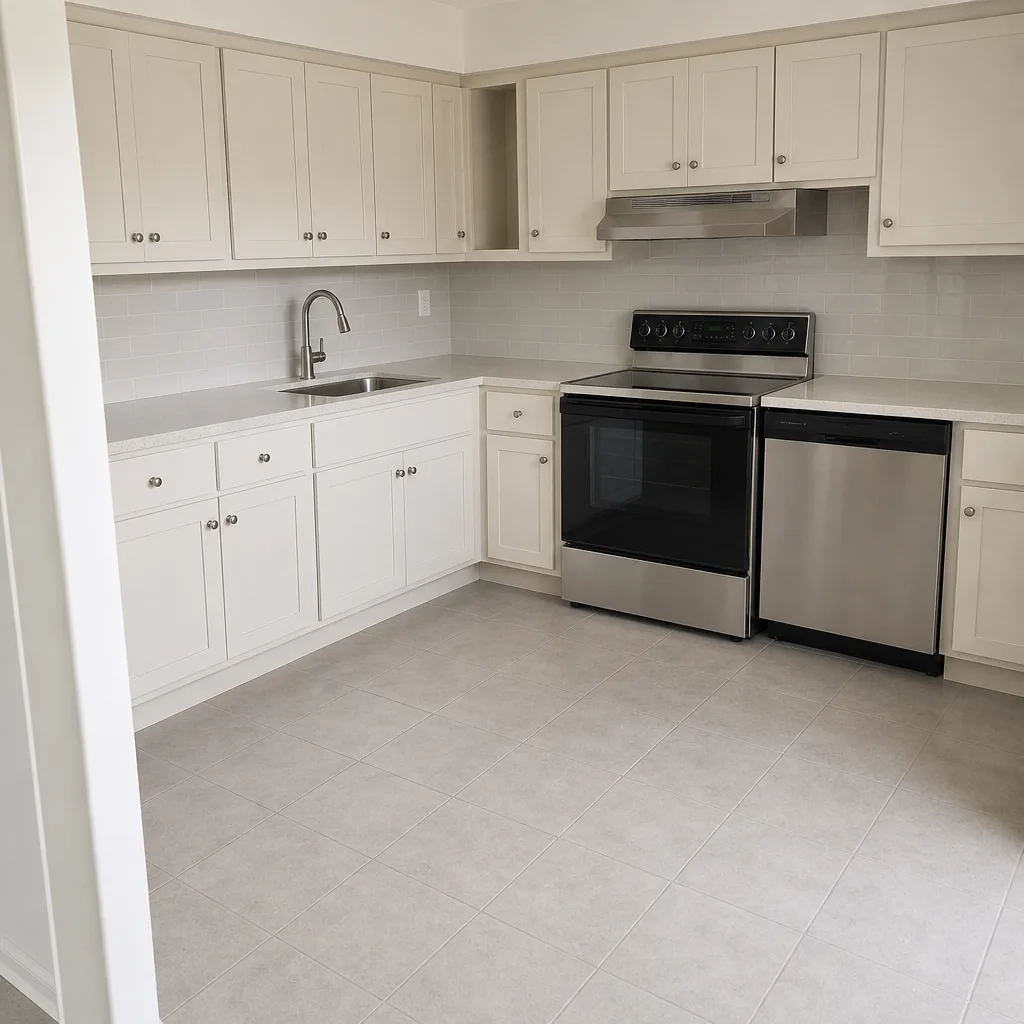 After
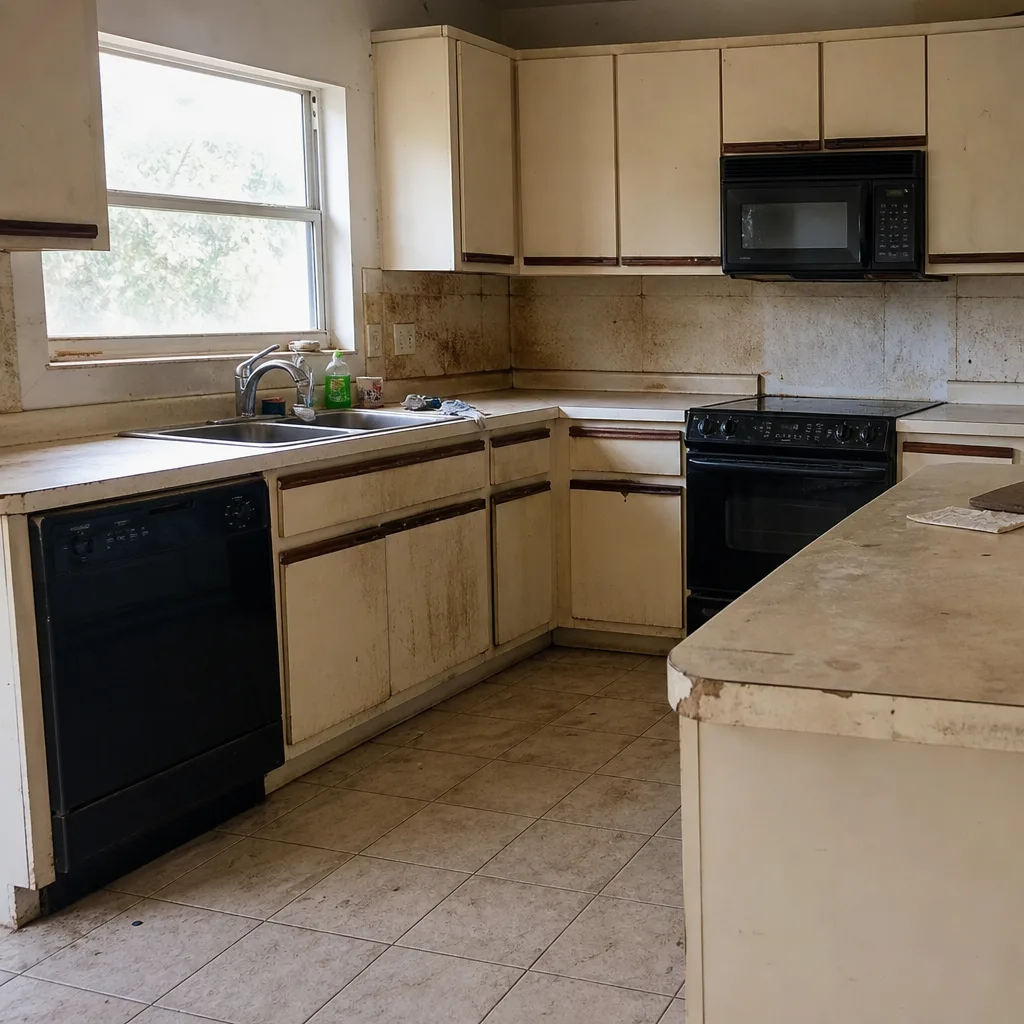 Before
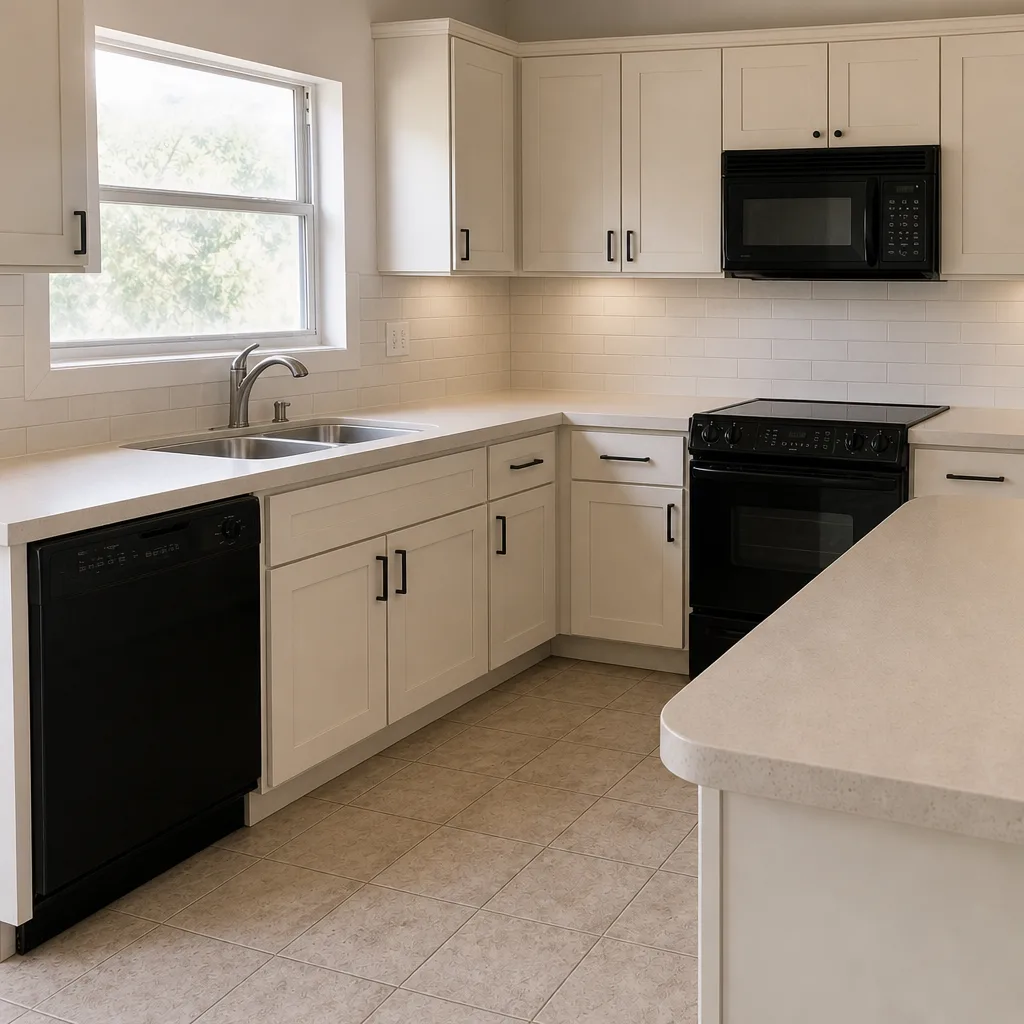 After
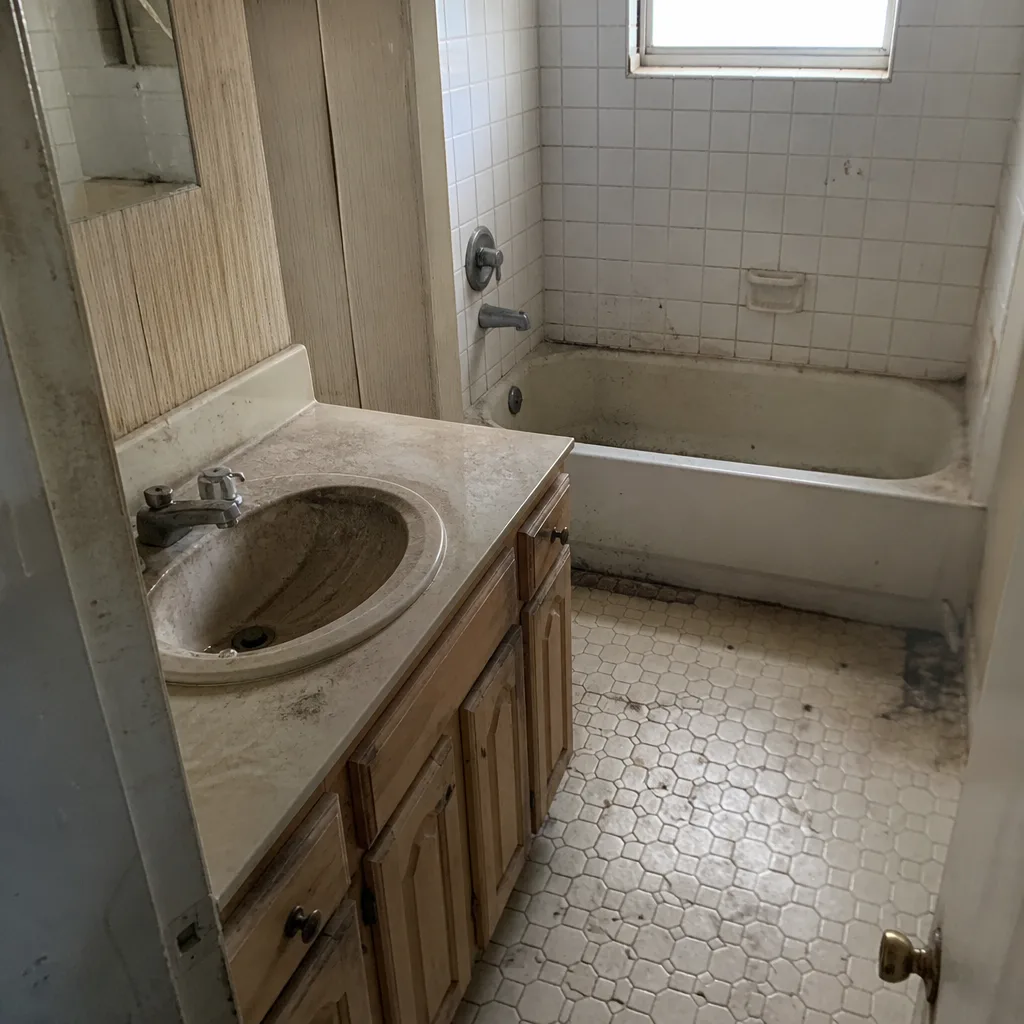 Before
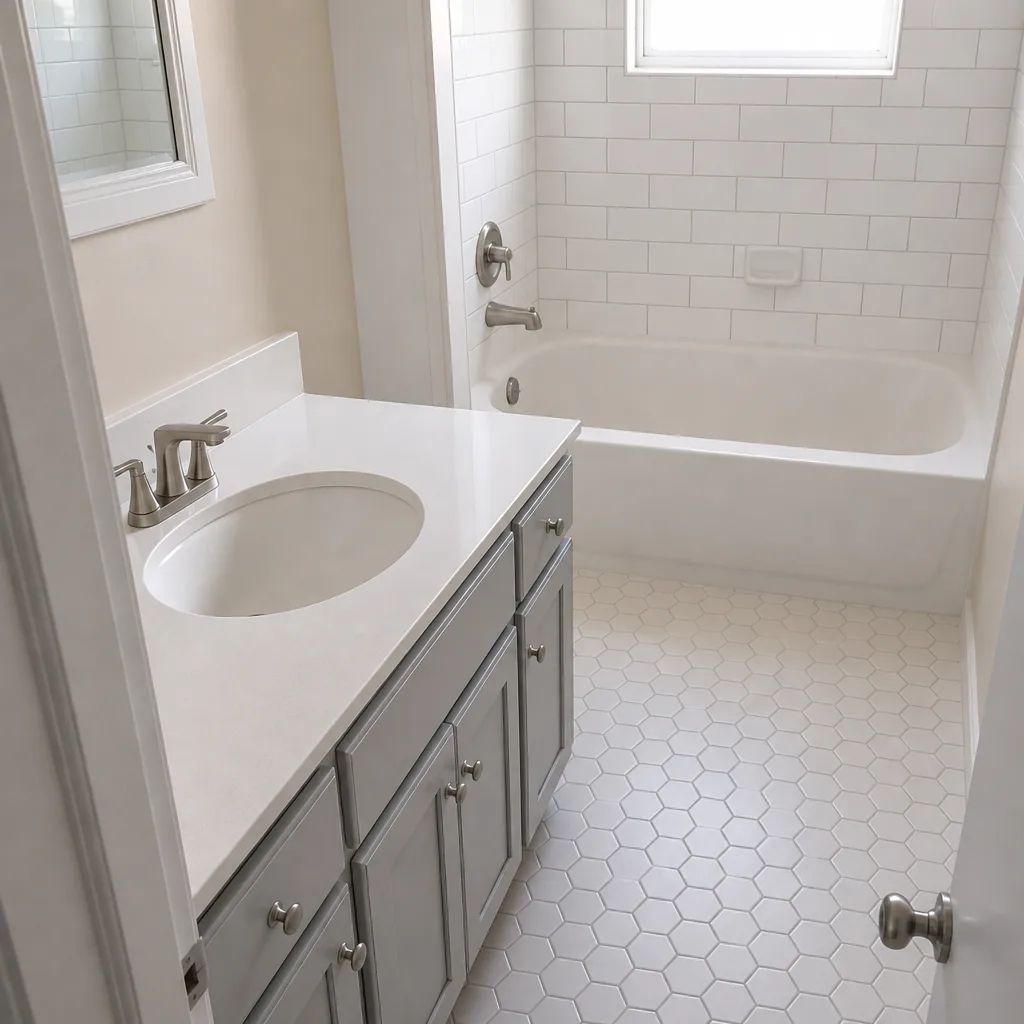 After
When to Call a Professional
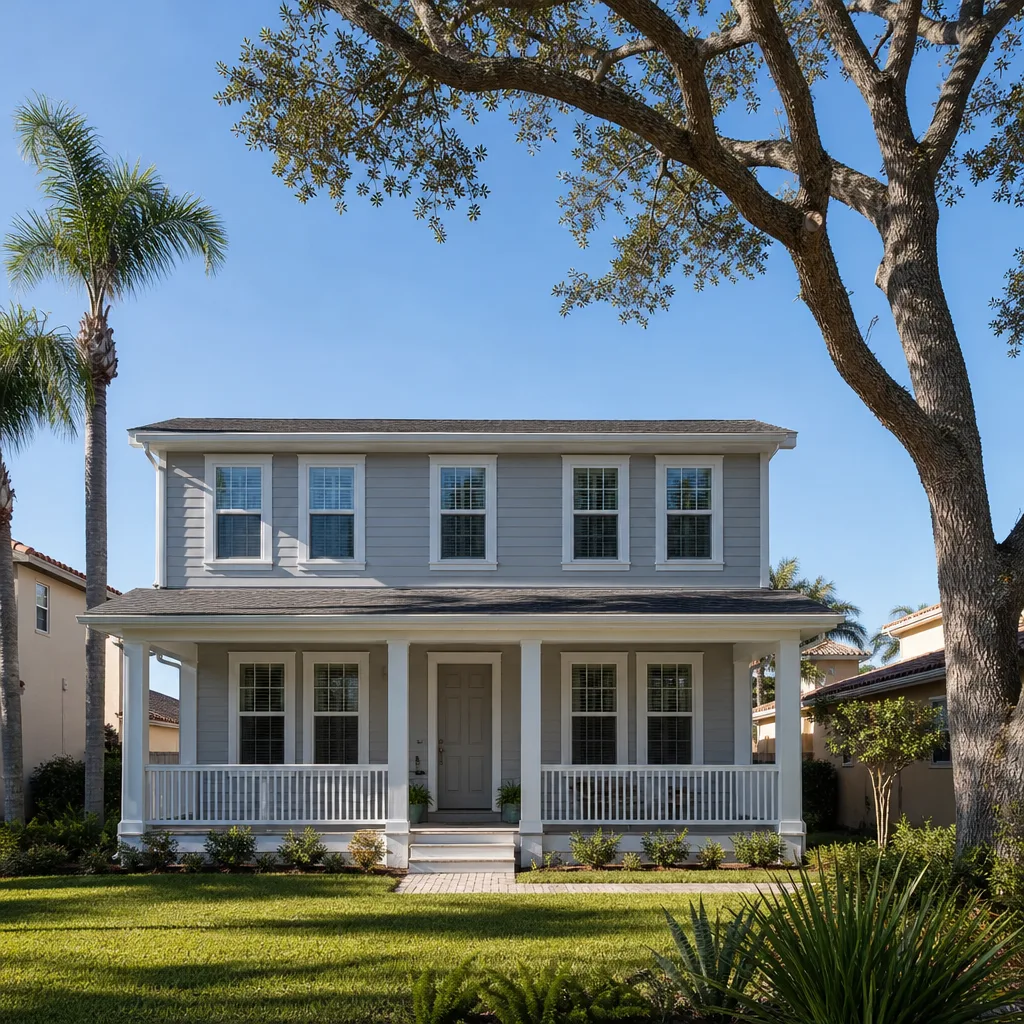
Call a professional the moment a project touches structure, plumbing supply or drain lines, electrical circuits, or the exterior envelope. That covers relocating a bathroom fixture, opening a load-bearing wall, adding a circuit for a new appliance, replacing windows or doors, and any roof repair that pushes past the 25% surface threshold. It also covers anything where the permit history of the Aventura property is unclear and you need a scope walked end to end before you commit.
Construction Aventura offers free estimates in Aventura – call (833) 620-6514. One contractor manages every scope from the roof down to the driveway, so the permit submission, inspection coordination, and material approvals run through one file instead of five. Our technicians have up to 15 years of experience, and every appointment starts with a written line-item estimate.
Frequently Asked Questions
Yes, if the remodel relocates or adds a plumbing fixture, adds an electrical circuit, or changes the structural layout. A cosmetic refresh that keeps every fixture in place and adds no circuits usually doesn’t require a permit, but call us at (833) 620-6514 to review your scope before you start.
Yes, Florida allows an owner-builder to pull a residential permit if they intend to occupy the home personally. However, licensed trades still have to perform the electrical, plumbing, and mechanical work, and reselling within 12 months of pulling the permit triggers additional rules. Call (833) 620-6514 for a free estimate if you want the contractor path instead.
A Notice of Acceptance (NOA) is Miami-Dade’s product approval for building materials used inside the High-Velocity Hurricane Zone. Every roofing material and every exterior window or door on an Aventura home needs a current NOA, and the installed product must match the approved method. Call (833) 620-6514 and we’ll verify the exact product approval before you order materials.
Plan review through Miami-Dade’s online portal plus the multi-stage inspection sequence typically adds several weeks to the project calendar compared to an unpermitted scope, and complex additions run longer. The exact timeline depends on the scope, the engineering, and reviewer workload. Call (833) 620-6514 for a free estimate with a realistic schedule.
The permit has to be resolved before the sale typically proceeds, and the resolution usually falls to the seller. Some open permits can be closed with a final inspection; others require legalization of work that was done without a permit, which may involve partial demolition or current code compliance. Call (833) 620-6514 for a pre-listing permit review.
Yes. Our licensed team submits the permit through the county portal, coordinates every inspection hold point, verifies NOA product approvals, and follows through to the certificate of occupancy. One contractor covers roofing, windows, kitchens, bathrooms, hardscape, fencing, and additions under a single relationship. Call (833) 620-6514 for a free estimate.
The Bottom Line
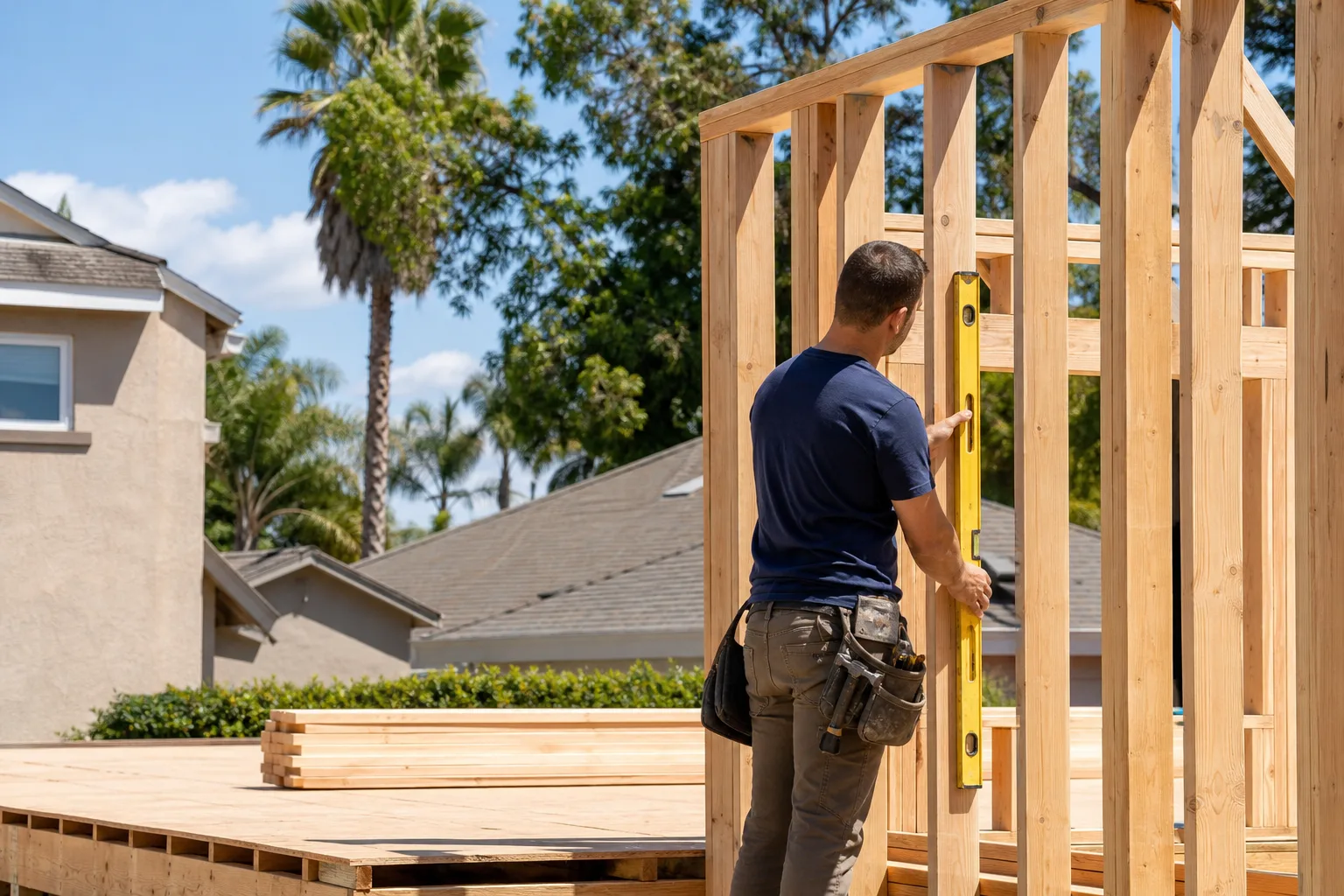
Miami-Dade’s permit requirements in Aventura go further than most homeowners expect. Relocating a bathroom fixture, replacing windows, or reroofing more than a quarter of the roof all trigger permits and inspections. Every exterior product has to carry a current NOA. Additions and ADUs walk a fixed hold point sequence, and skipping a step can force demolition. Open permits on a property stall closings, and resolving them is usually the seller’s responsibility. The safe move is to verify the scope and the permit history before you start, not after. That’s the whole game.
Call (833) 620-6514 for a free estimate. We answer 24/7. Fast dispatch from 7am to 7pm, Sunday through Friday. Closed Saturday.
Written by the team at Construction Aventura.