Last updated November 18, 2026

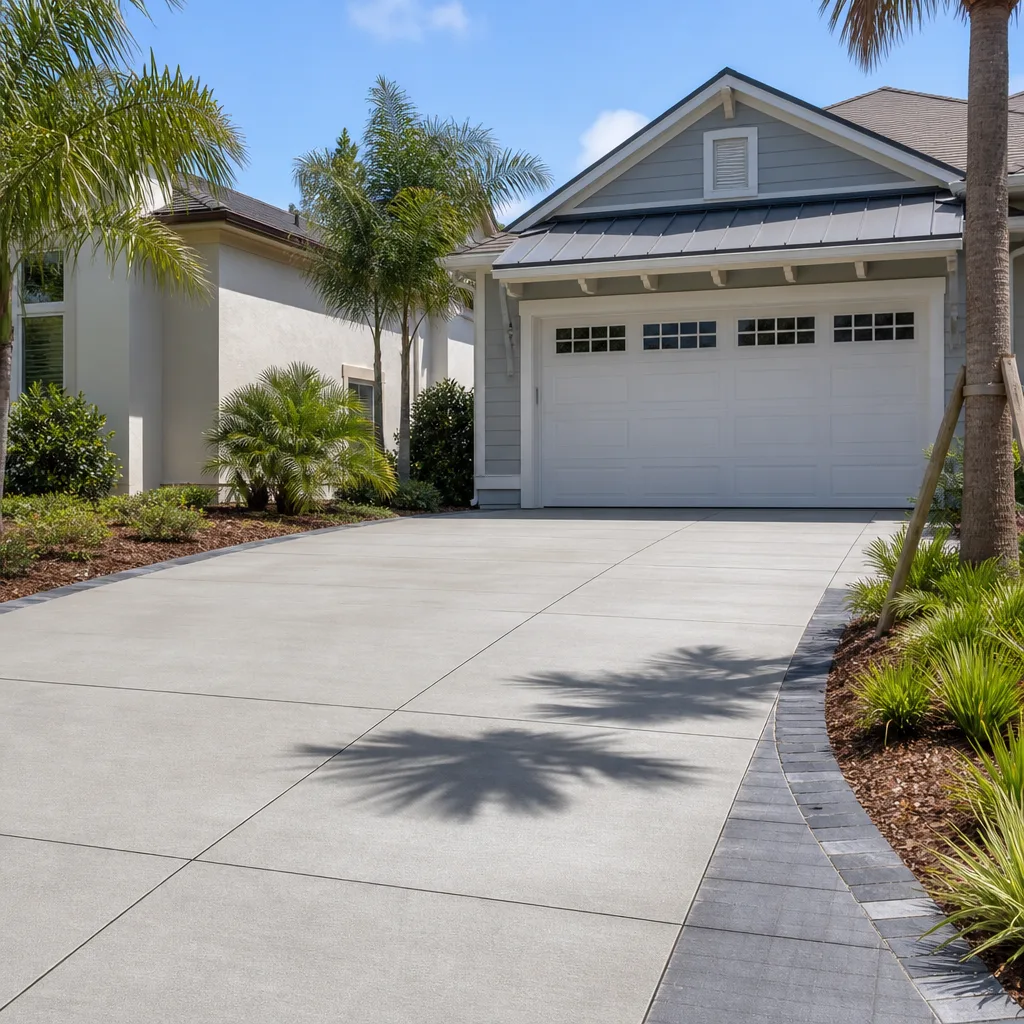
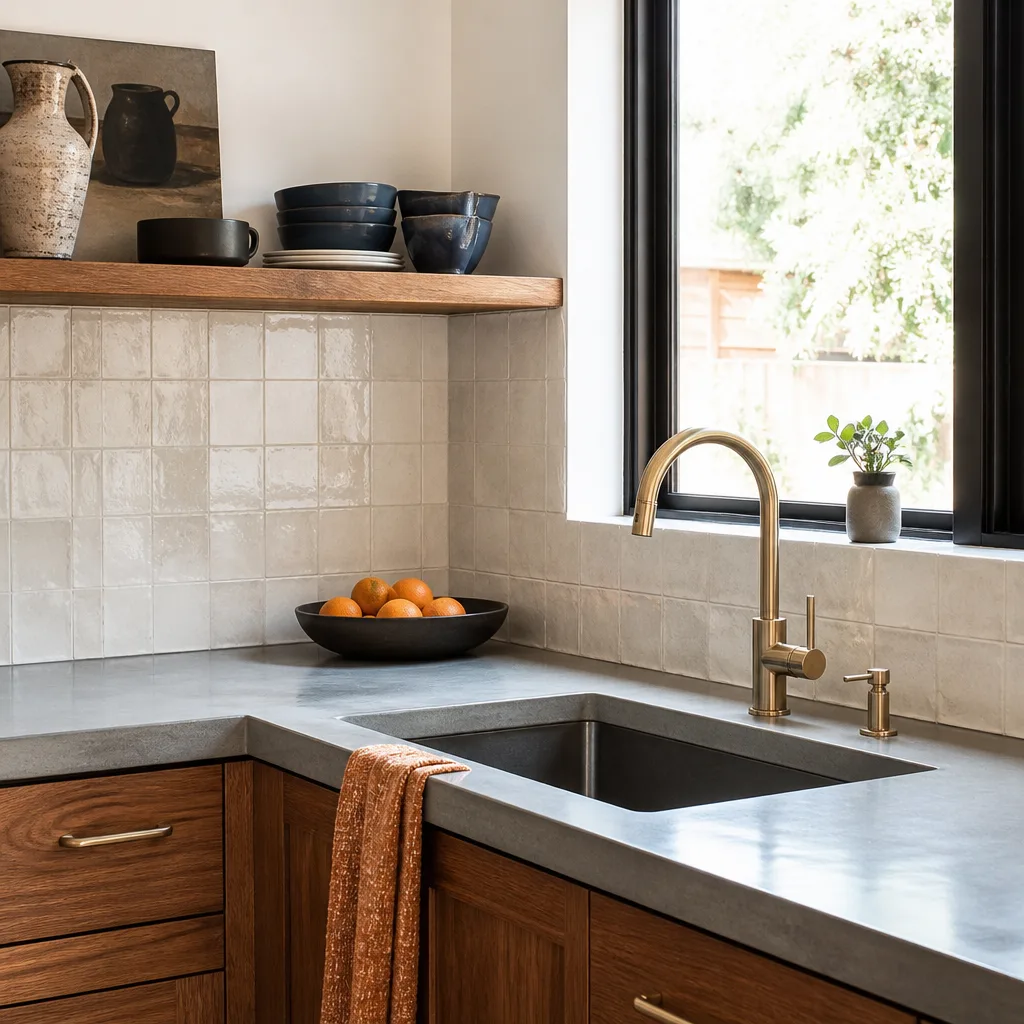
Free written scope consultation - allowances, timeline, and change-order rules on paper before a single trade is scheduled
DIY vs Professional Construction: The Aventura Homeowner’s Decision Guide
Most homeowners in Aventura assume the DIY versus professional question is about skill. It isn’t. Florida lets you pull an owner-builder permit, and Miami-Dade will hand one to a homeowner who has never framed a wall. The permit comes with an affidavit. When you sign it, you personally attest that the work will meet every applicable code, and you take on the liability that normally sits with a licensed contractor. That liability doesn’t disappear when the job is done well. It sits in your file until a buyer’s lender, an inspector, or an insurer goes looking. This guide covers what the owner-builder route really commits you to, which projects require a licensed contractor no matter how handy you are, how Aventura HOA rules override permit status on exterior work, and where DIY genuinely makes sense. You’ll finish knowing which category each of your projects falls into.
Quick Answer
In Aventura, DIY makes sense for interior cosmetic work like painting, cabinet hardware, and landscaping, but professional construction is the right call for anything structural, electrical, gas, or roofing, and for most exterior work governed by HOA architectural standards. The deciding factor isn’t whether you can physically do the job. It’s whether an owner-builder permit affidavit, an HOA covenant, and your homeowner’s insurance policy will hold up years later when you sell or file a claim.
Styles & brands we work with
- Kitchen remodeling
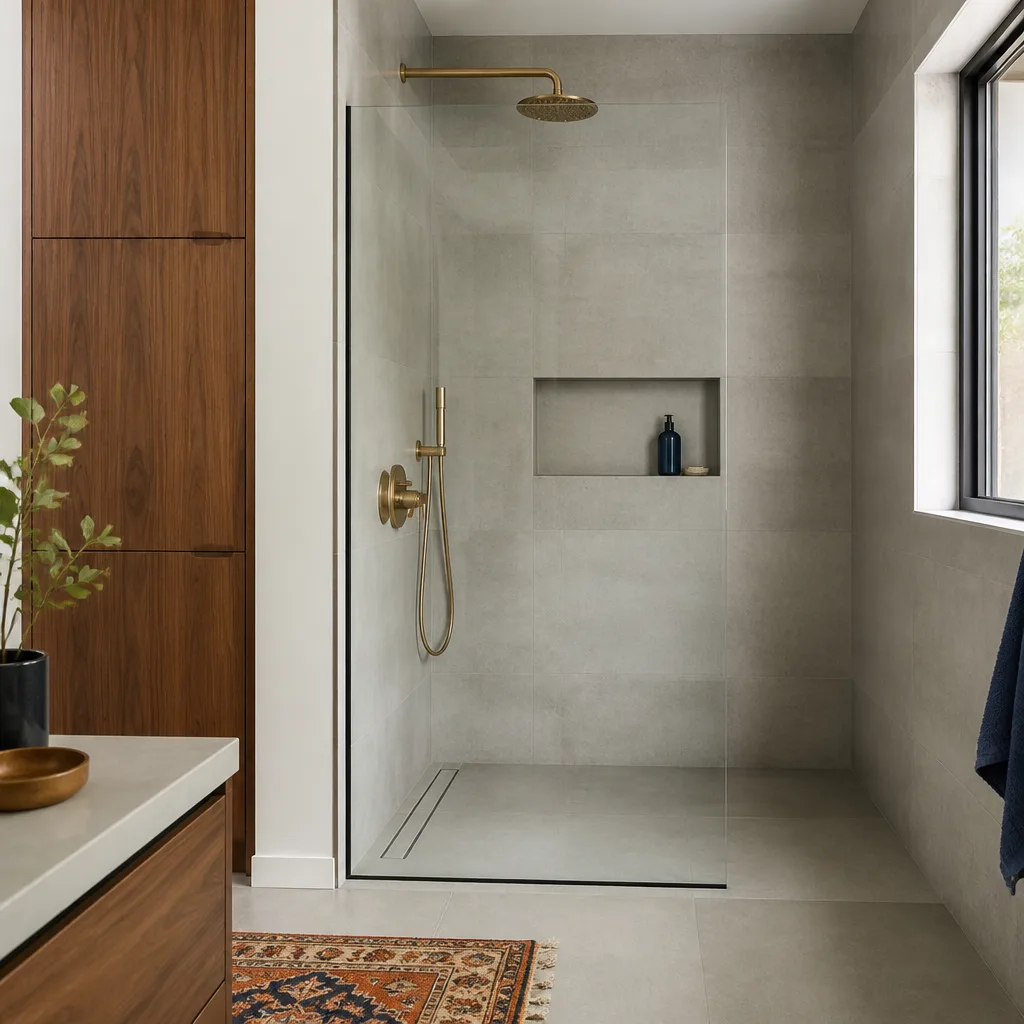
- Bathroom remodeling
- Home additions & ADU
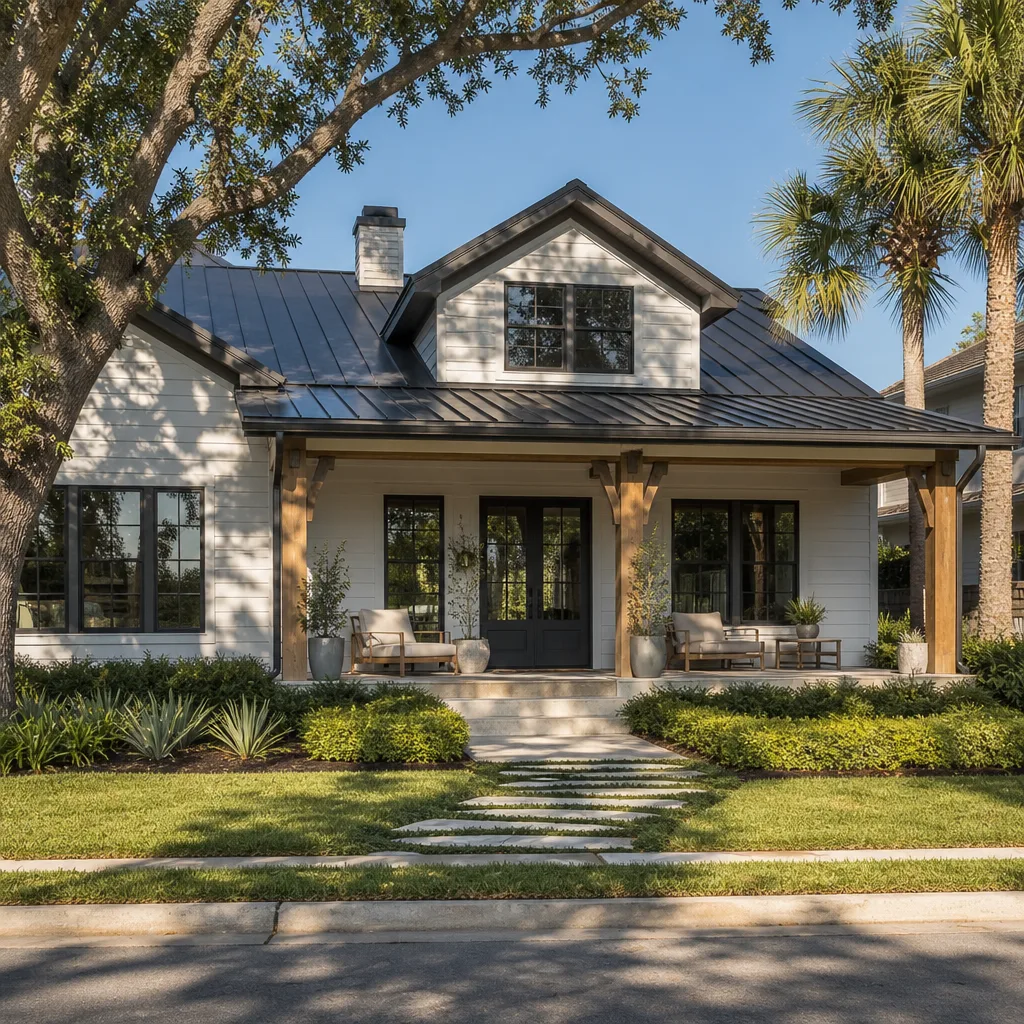
- Roofing
- Windows & doors
- Driveway & pavers
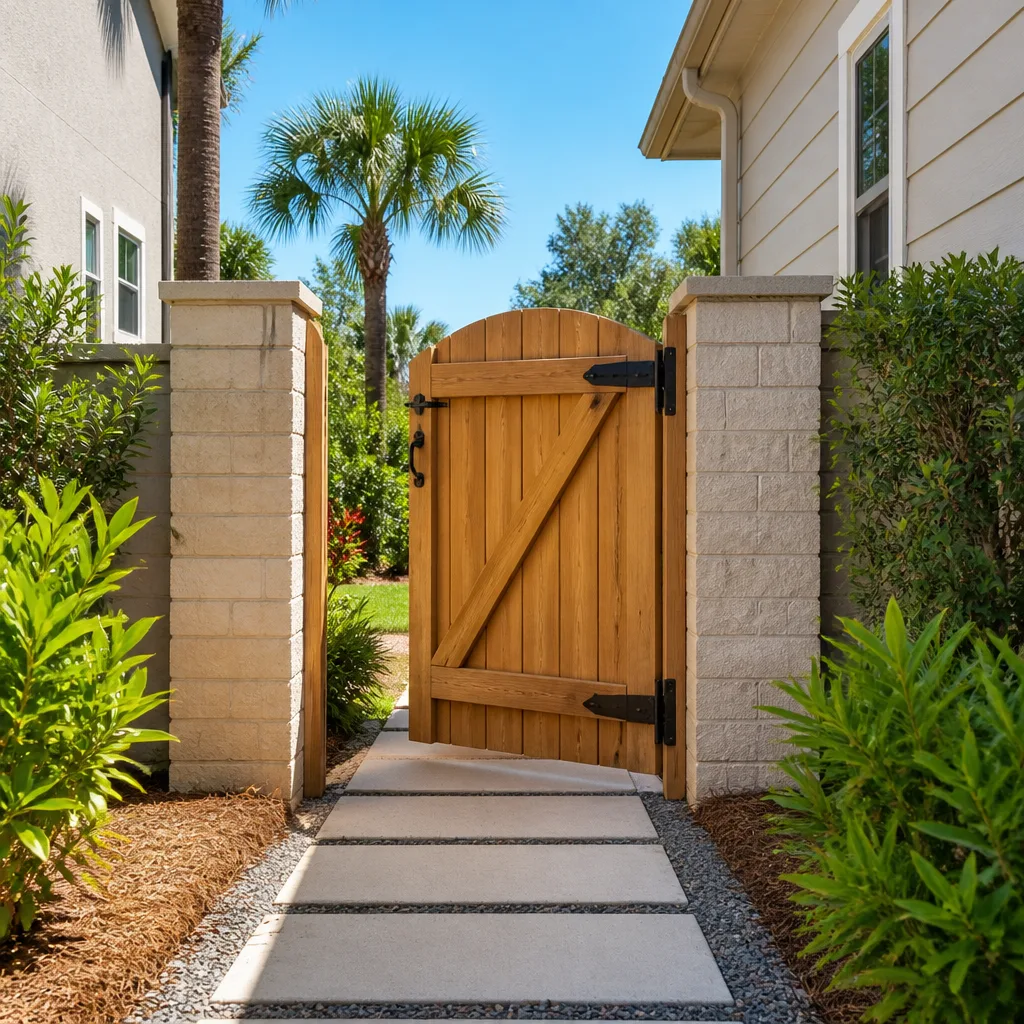
- Fence
Table of Contents
- What an Owner-Builder Permit Really Commits You To
- Projects That Require a Licensed Contractor in Aventura
- How Aventura HOA Rules Override Permit Status
- The Resale Trap: Unpermitted Work and Your Closing
- How Insurance Policies Treat Self-Performed Work
- Where DIY Legitimately Makes Sense
- Scoping a Project: DIY Portions Inside a Pro Job
- What the Two Paths Typically Cost
What an Owner-Builder Permit Really Commits You To
A Florida owner-builder permit is a legal attestation, not a shortcut around licensing. When you sign the owner-builder affidavit in Miami-Dade, you are certifying that you own the property, that you will occupy it, that you are doing the work yourself or supervising it directly, and that the completed work will comply with the Florida Building Code. You are also accepting that you, not a licensed contractor, carry the responsibility if it doesn’t.
Three things follow from that signature that most homeowners don’t think through:
- You become the contractor of record. Inspectors hold you to the same code standard they’d hold a licensed contractor to. There’s no allowance for “it’s just my own house.”
- You carry the liability. If a defect later causes damage, the claim conversation starts with your name, not a contractor’s insurance policy.
- Your disclosure obligations change. Florida requires sellers to disclose known defects, and unpermitted or self-performed work that doesn’t meet code is exactly the kind of fact that surfaces at the worst moment.
There’s a practical layer too. Owner-builder permits are intended for a homeowner’s own residence, not for work that will be sold or rented soon after. Pulling one on a flip or a rental property is the kind of detail a title examiner or a buyer’s attorney can flag. In Aventura, where a large share of homes change hands as investment-grade property, that scrutiny is routine rather than exceptional.
Our technicians have up to 15 years of experience working inside these rules, and the pattern is consistent: the projects that go wrong aren’t the ones where the homeowner lacked skill. They’re the ones where nobody explained what the permit signature meant.
Projects That Require a Licensed Contractor in Aventura
Some work is off-limits to owner-builders regardless of confidence or competence. Florida law reserves certain categories for licensed contractors, and Miami-Dade enforces it through the permitting and inspection process. If you’re planning any of the following, the DIY question is already settled:
- Electrical panel work and any new circuits. Panel replacements, service upgrades, and new dedicated circuits require a licensed electrician. This is also a genuine safety line: panel work involves live service conductors and arc-flash risk, and a mistake can burn a house down or kill someone. Never open a panel to “just take a look.”
- Gas line work. Any new gas run, appliance connection, or modification to an existing line requires a licensed contractor. Gas leaks are an immediate life-safety hazard, and the inspection process exists precisely because the failure mode is invisible.
- Structural modifications. Removing or altering load-bearing walls, adding openings, changing roof framing, or anything that touches the structural system requires licensed engineering and licensed construction. This is where a homeowner’s eye for “it looks fine” is worth nothing.
- Roofing in the High-Velocity Hurricane Zone. Miami-Dade sits entirely within Florida’s HVHZ, and roofing there requires a licensed roofing contractor plus product approval and inspections at multiple stages. There is no owner-builder path that satisfies the wind-load requirements of the HVHZ.
- Windows and doors that are part of the building envelope. Impact-rated openings must be installed to manufacturer specification and inspected, which in practice means licensed installation through brands like PGT, CGI, or ES Windows.
Notice the pattern. These aren’t the hardest jobs physically. They’re the ones where the failure is silent, expensive, or dangerous, and where the inspection record is the only proof that the work was done to standard. If a future buyer or insurer asks who did the electrical, “I did” is not an answer that closes a file.
How Aventura HOA Rules Override Permit Status
Here’s the part that catches people who did everything by the book on the permit side. In Aventura, most of the city’s larger residential communities operate under HOA architectural standards that are stricter than the building code in specific, enforceable ways. A permit from the city doesn’t satisfy an HOA design review, and an HOA approval doesn’t satisfy the building department. You need both, in the right order.
What HOA architectural review typically governs:
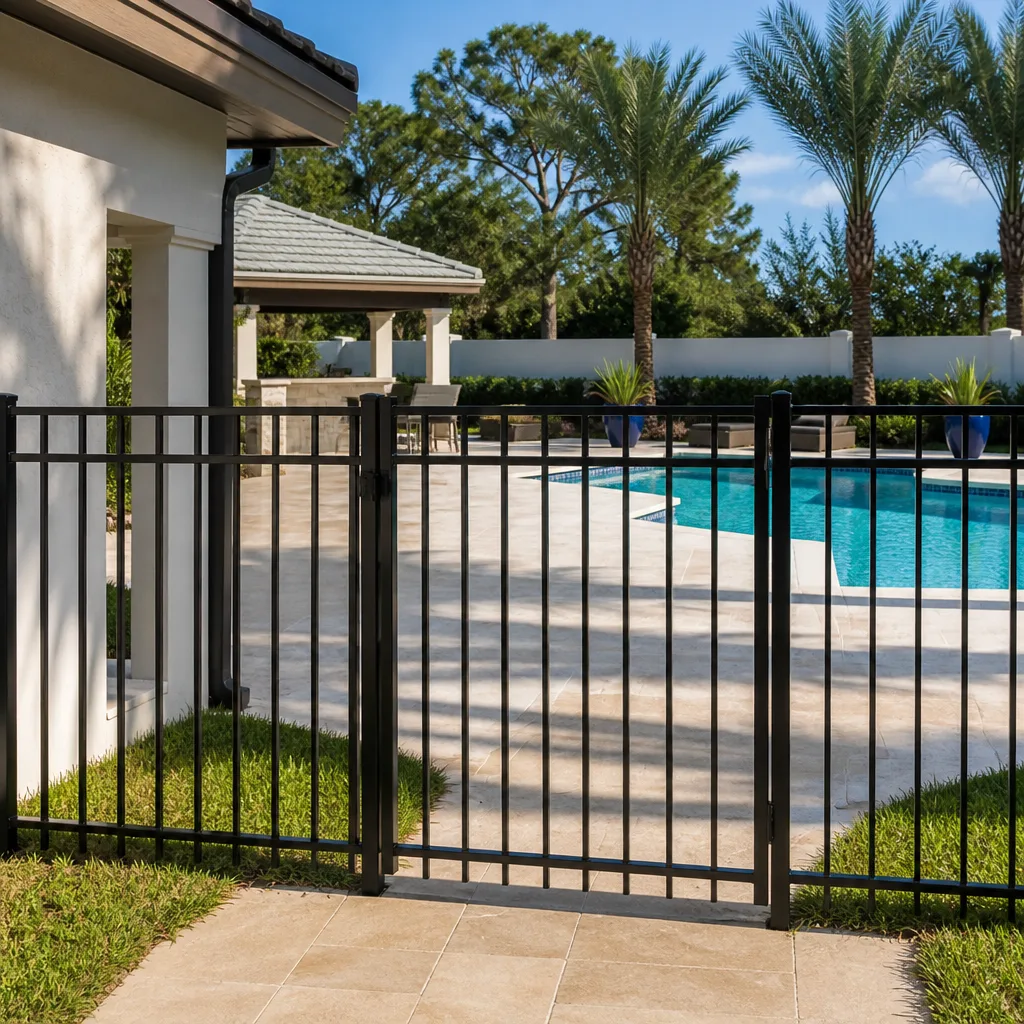
- Fence height, material, and style. Many Aventura communities cap fence height below what zoning alone would allow, and specify material color and opacity. A DIY fence that meets code can still violate the covenant and require removal.
- Paver specifications. Driveway and walkway pavers are frequently restricted by type, color, and pattern. Communities often maintain an approved product list rather than a general standard.
- Paint colors from an approved database. Exterior paint is usually drawn from a fixed color palette per community, with no discretion for “close enough.”
- Roofing material and color. Roof replacements usually require architectural approval of the specific product and color before the permit application goes in.
- Window and door profiles. Even impact-rated replacements can be rejected on frame color or visible profile.
The sequence matters: design review first, then permit, then installation, then final inspection. A licensed contractor who works regularly inside Aventura’s communities knows this order and builds it into the schedule. A homeowner working alone typically discovers it when the HOA sends a notice after the work is finished and the money is spent. This is one of the strongest practical arguments for a single accountable contractor across exterior scope, from fencing and pavers to roofing and windows, because the coordination between trades and review boards is where DIY exterior projects usually fall apart.
The Resale Trap: Unpermitted Work and Your Closing
Unpermitted work doesn’t stay quiet. It surfaces at the least convenient moment in a real estate transaction, and in Aventura’s market that moment is usually during due diligence on a property that’s already under contract.
Here’s how it typically plays out:
- Title and permit search. A buyer’s title company and attorney pull the permit history. A finished addition, enclosed patio, converted garage, or remodeled bathroom with no matching permit shows up as a gap.
- Buyer financing complications. Lenders, particularly those writing conventional or government-backed loans, can require that permitted work be documented. An unpermitted structural change can stall or kill an appraisal.
- Disclosure obligation. Florida sellers must disclose known facts that materially affect value. If you know the work wasn’t permitted, you can’t treat it as someone else’s problem later.
- Price negotiation or remediation. The buyer’s remedy is usually either a price reduction sized to the cost of legalizing or removing the work, or a demand that you permit it before closing, which is far more expensive after the fact than doing it right the first time.
- Insurance complications. A policy written on a home with undocumented structural work can be issued on terms that exclude the affected area, or a claim on that area can be denied outright.
Title insurance does not solve this for you. Title insurance protects against defects in the title chain, not against construction that wasn’t permitted. The buyer’s lender cares. The buyer’s insurer cares. Your own insurer cares. The paperwork trails all of them back to the same question: who pulled the permit, and who signed for the work?
If you’re planning an addition or an ADU rather than a cosmetic change, this is exactly the wrong category to shortcut. Our home additions & ADU work is permitted end to end precisely because a future sale is where shortcuts get expensive.
How Insurance Policies Treat Self-Performed Work
Homeowner policies generally require that work on the dwelling be performed by licensed professionals or, at minimum, be permitted and inspected where the code requires it. That language is buried in the policy conditions, not the summary page, so it rarely gets read until a claim is filed.
What this means practically: if water damage traces back to a self-installed shower pan with no permit and no inspection record, the insurer has a documented basis to dispute the claim. Same for a roof or window installation that doesn’t match the permitted product specification. The insurer isn’t being unreasonable; the policy asked for a paper trail and there isn’t one.
This is one reason material choice and installation method belong together. When a Construction Aventura project uses a manufacturer with a written product warranty, the homeowner can verify the coverage independently rather than relying on a verbal assurance. Designer-grade cabinetry like Wellborn and stone surfaces from Cambria, Silestone, or Caesarstone all carry manufacturer warranties that depend on correct installation. Install them wrong and the warranty is void even though the material was fine.
The risk compounds with scope. A single owner-built bathroom is a contained exposure. A house with an owner-built bathroom, an owner-built fence, and an owner-built addition is a property an insurer may decline to write at standard terms. One contractor across every scope keeps the documentation in one place, which is what the insurer and the buyer both want to see.
Where DIY Legitimately Makes Sense
This guide isn’t an argument that homeowners can’t do anything. There’s a real, defensible DIY lane in Aventura, and knowing its boundaries is as useful as knowing where the pro line sits.
Safe to do yourself:
- Interior painting. Cosmetic, reversible, and doesn’t touch code.
- Cabinet hardware and pulls. Small drilling, no structural or plumbing implication. Swap the hinges and pulls on KraftMaid or Wellborn cabinetry without harm.
- Landscaping and planting. With HOA approval for any visible change to the front elevation.
- Interior decor and fixture swaps that don’t involve plumbing or electrical connections. Swapping a light shade, not the fixture.
- Minor caulking and grout touch-ups. Cosmetic maintenance, no permit needed.
Where you should stop and call:
- Anything requiring a permit. Full stop.
- Anything touching water supply, drain lines, gas, or electrical circuits.
- Anything that changes the building envelope: windows, doors, roofing, walls.
- Any exterior change visible from the street or common area in an HOA community.
Our technicians have up to 15 years of experience, and in that time the DIY calls we get are almost never “I can’t do this.” They’re “I started it and now I need a permit and I’ve already done the demo.” The smart version of DIY is choosing projects where stopping is cheap.
Scoping a Project: DIY Portions Inside a Pro Job
You don’t have to choose one path for the entire project. The healthiest arrangement for a lot of Aventura homeowners is a hybrid: a licensed contractor handles the permitted scope and inspection-critical work, and the homeowner takes the finish and cosmetic layers.
How a hybrid project typically scopes:
- Identify the permit boundary first. Determine exactly which work requires a permit. That’s the professional scope.
- Define the envelope work. Roofing, windows, doors, and anything that closes the building against weather belongs in the professional scope, both for code and for warranty reasons.
- Hand off the finishes. Interior painting, hardware, and decor are legitimate owner scope.
- Sequence it. Finishes go after inspection, not before. Painting a bathroom before the plumbing inspection is a common and avoidable mistake.
- Document the split. Get it in writing so the contractor’s insurance and your liability are clearly separated on the permit.
A hybrid scope also gives you real decision-making power over materials, which matters more than people expect. A driveway & pavers project, for instance, can be scoped with Belgard, Unilock, Tremron, Techo-Bloc, or Cambridge Pavers depending on the look you want and what the HOA will approve. Choosing the material is your call. Installing to manufacturer specification and passing inspection is the contractor’s. That division is where the hybrid approach works best.
What the Two Paths Typically Cost
The DIY path looks cheaper on paper because labor is free. It rarely is. Factor in permits, material mistakes, tool purchases, the value of your own weekends, and the resale discount if documentation is missing, and the gap narrows fast. The professional path costs more up front and less later.
Here’s how the two paths compare in Aventura on the categories that matter most. The figures below are estimated ranges only. The written estimate always sets the final price.
- Interior painting, one room: DIY $150 – $400 in materials; pro $600 – $1,400 installed, with proper surface prep and a written warranty on the finish.
- Cabinet hardware swap: DIY $80 – $250 in hardware; pro $250 – $500 if drilling is included on a full kitchen.
- Driveway replacement with pavers: DIY does not apply, since permit, base prep, and inspection are required; pro $15,000 – $35,000 depending on square footage, paver line, and base conditions.
- Fence installation: DIY $500 – $2,000 in materials; pro $2,500 – $7,000 installed with survey verification and HOA approval documentation.
- Bathroom remodel: DIY cosmetic only, $500 – $2,500; pro full remodel $18,000 – $45,000 depending on the fixture tier and cabinetry, with permitted plumbing and electrical scope.
- Roofing (HVHZ): DIY is not available by law; pro $18,000 – $40,000 for a typical residential roof with HVHZ product approval and required inspections.
- Windows and doors, impact-rated: DIY is not available as a code-compliant path; pro $800 – $2,500 per opening depending on size and product line.
The comparison isn’t really money versus money. It’s money now versus money plus documentation risk later. One contractor, every scope, means a single paper trail that survives a sale, a claim, and an insurer’s review. Coordinate four separate vendors and the paper trail is yours to assemble, and yours to defend. If fence installation is on your list along with a new roof and pavers, that coordination is exactly the kind of thing that makes professional management worth the price difference.
Common Mistakes to Avoid
- Signing the owner-builder affidavit without reading the compliance language. The affidavit isn’t a formality; it’s a legal certification of code compliance. Read every line before you sign.
- Filing for an HOA architectural review after the work is finished. In most Aventura communities, approval must come before installation. Retroactive approval isn’t guaranteed and removal is the usual remedy.
- Choosing pavers or fencing before checking the community’s approved product list. Many communities maintain specific approved brands and colors. Choosing from memory rather than the list is a common way to end up doing the work twice.
- Assuming a permit from the city satisfies the HOA. They are two separate approvals, and both are required on exterior work. Getting one without the other leaves you out of compliance.
- Doing demo before the permit is issued. Demolition is often the first thing a homeowner can physically do, and it’s also the thing that creates an unpermited condition if the permit isn’t pulled first.
- Treating unpermitted work as a “deal with it at sale” item. In Aventura’s market, buyers and lenders scrutinize permit history. The problem doesn’t stay contained.
- Buying premium materials before confirming installation method. Manufacturer warranties on cabinetry, countertops, and pavers depend on correct installation. Skip the specification and the warranty is void regardless of material quality.
See the difference
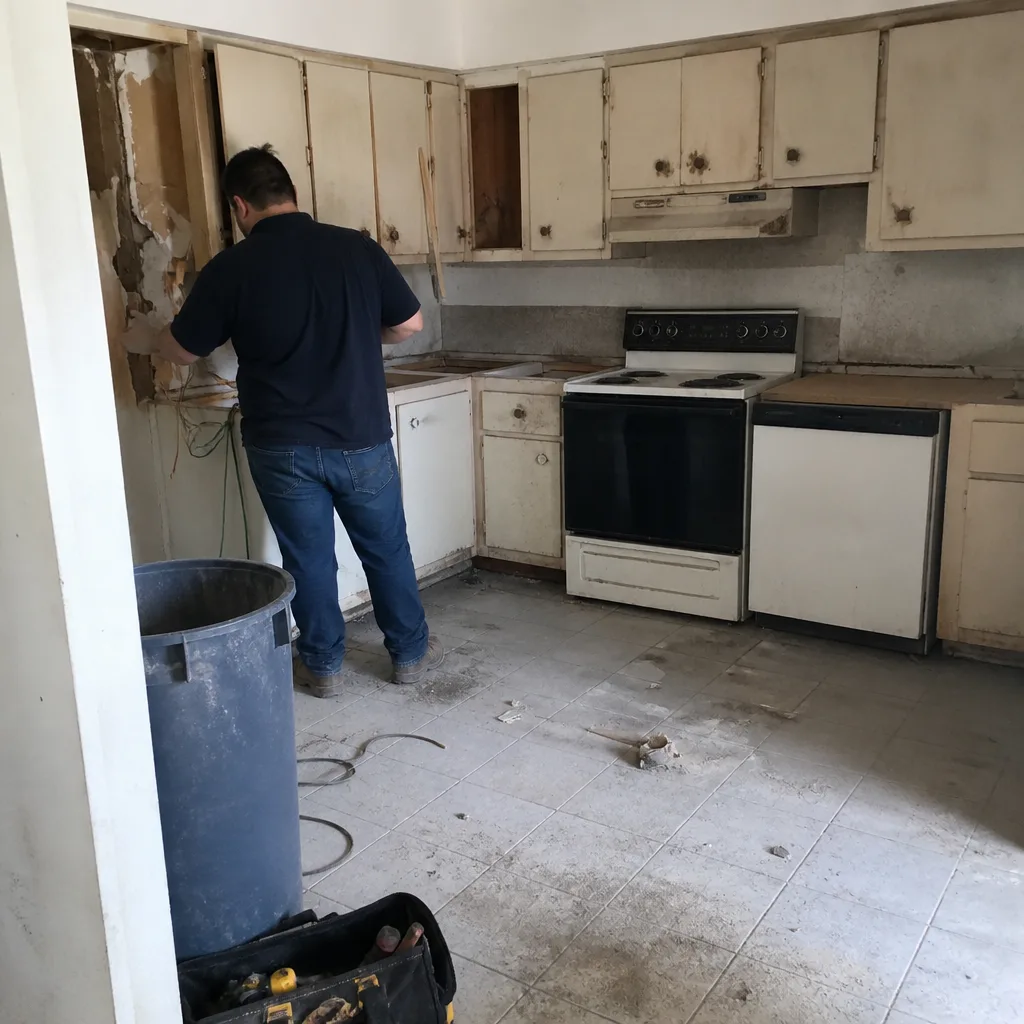 Before
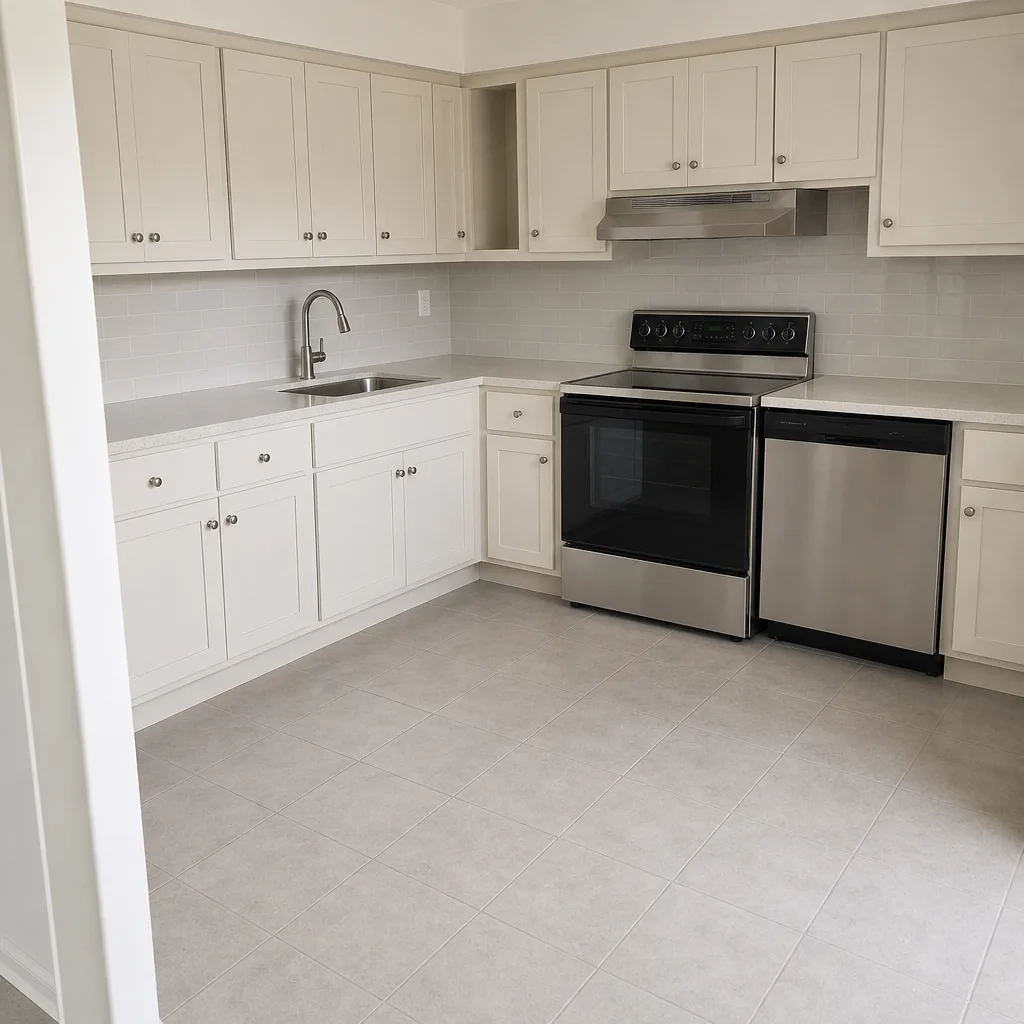 After
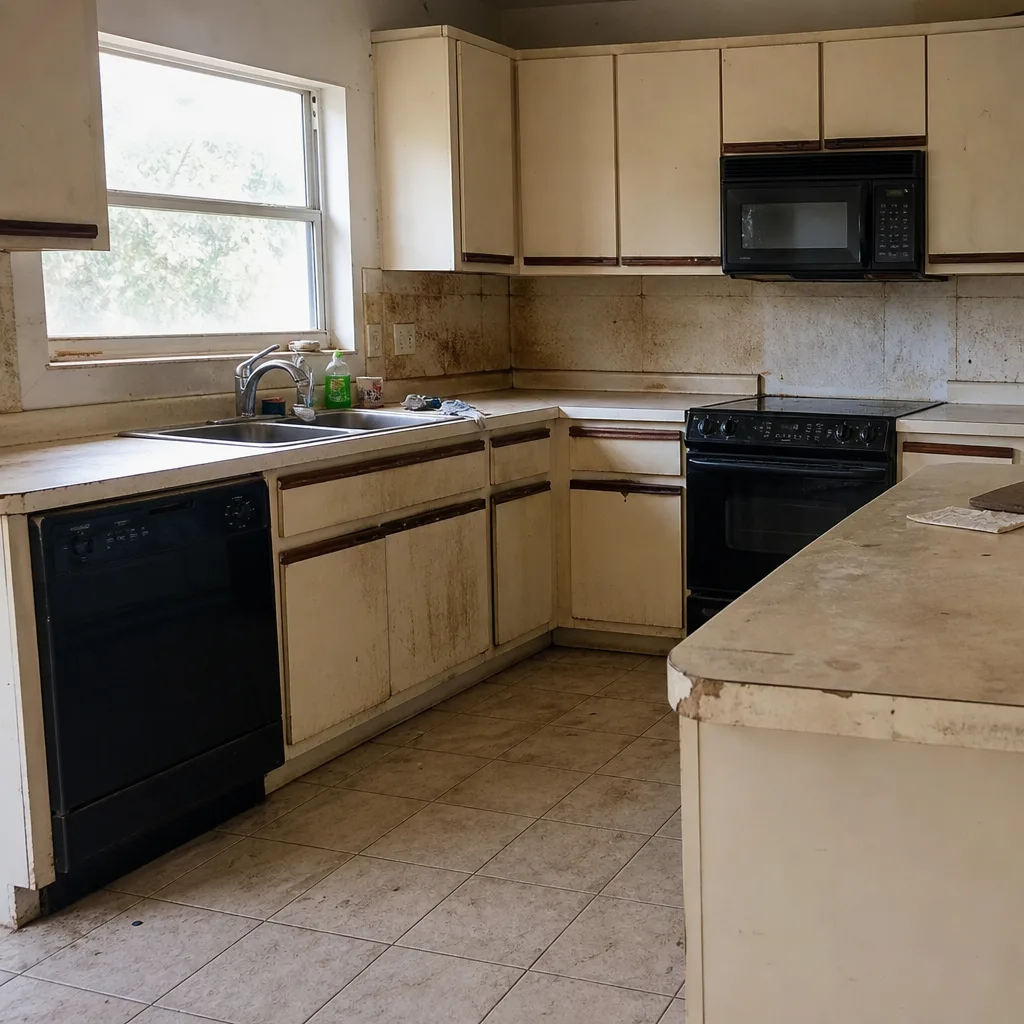 Before
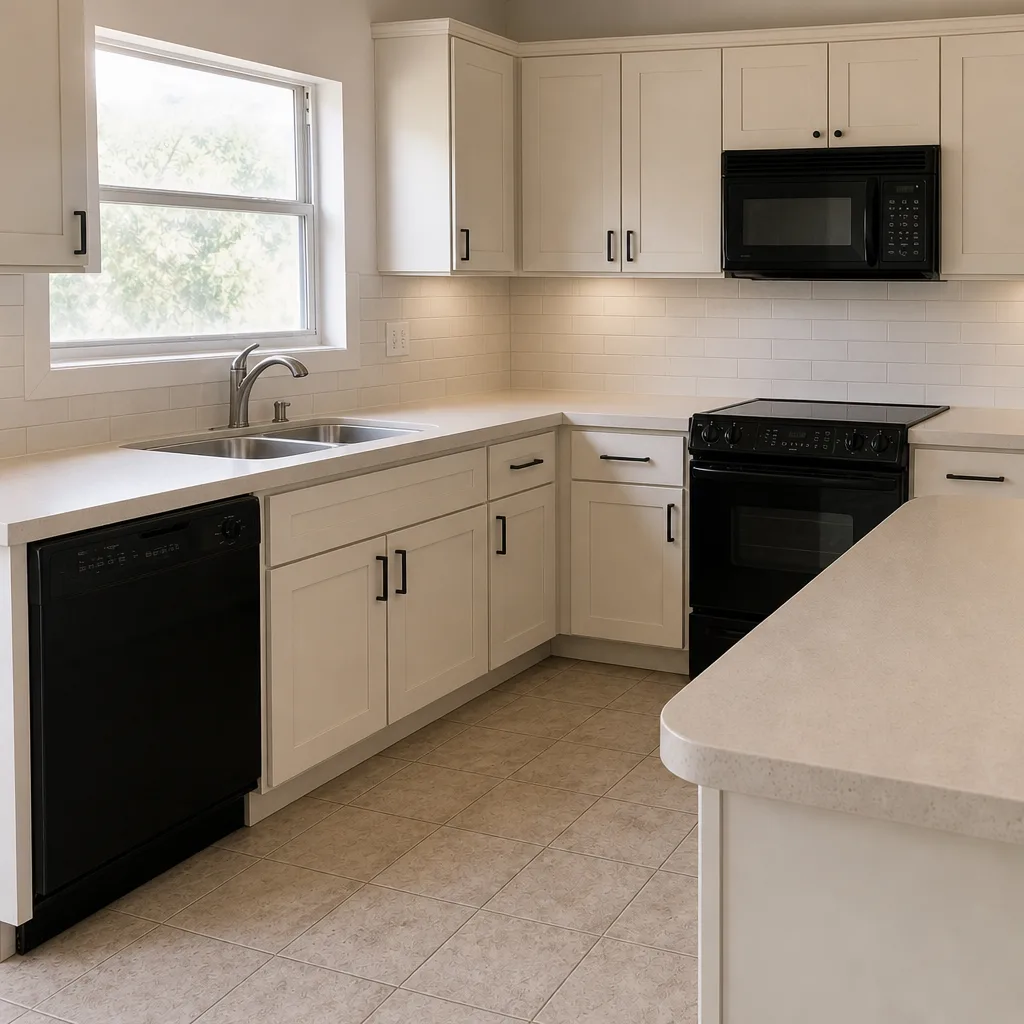 After
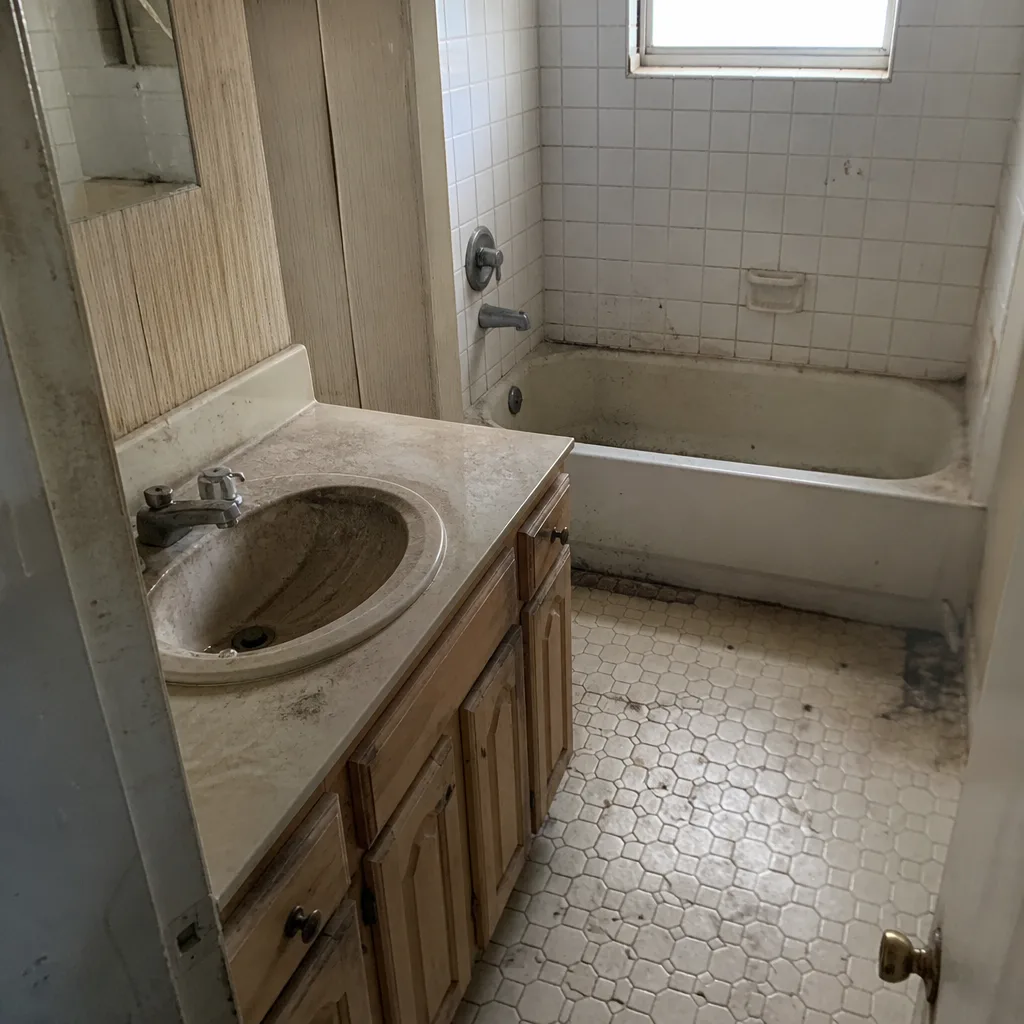 Before
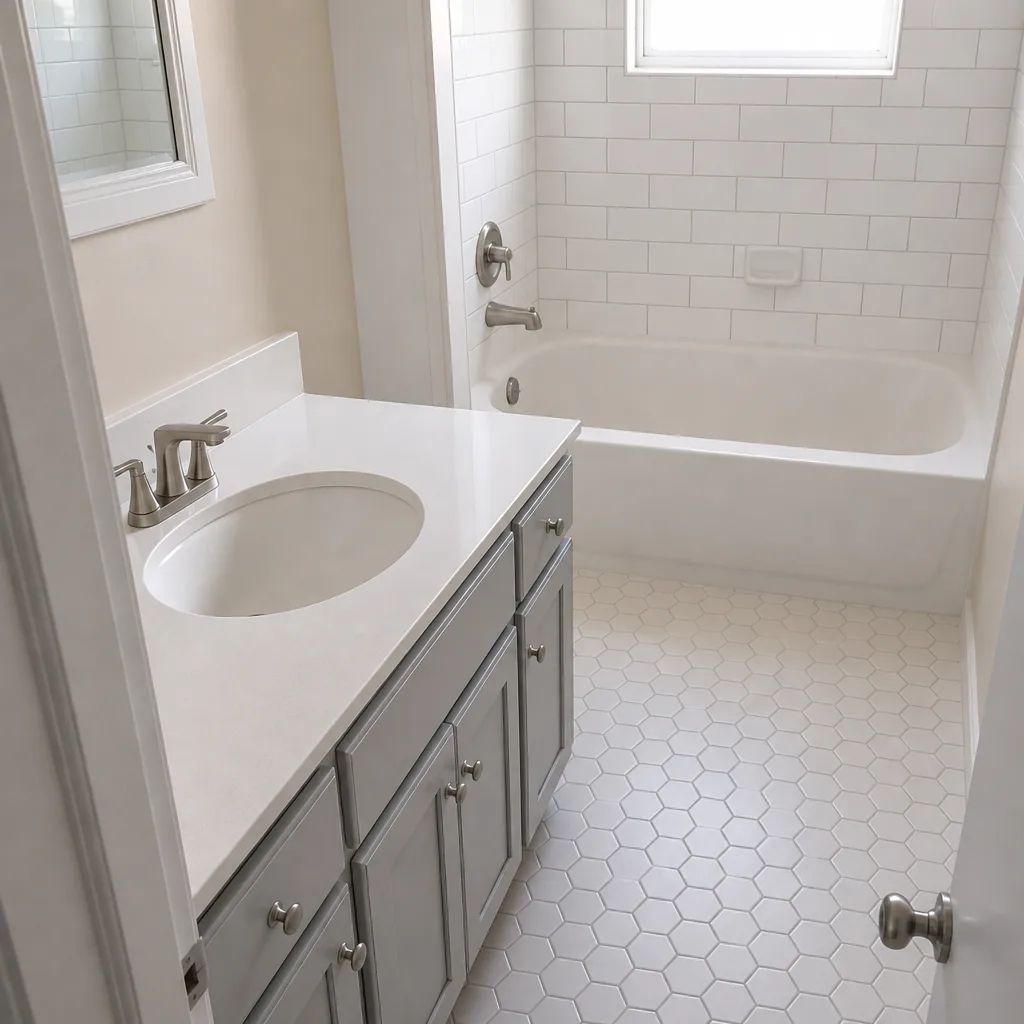 After
When to Call a Professional
Call a licensed contractor whenever a project requires a permit, touches the building envelope, involves electrical or gas, changes anything structural, or is visible from the street in an HOA community. Call if you’re planning to sell within a few years, since documentation is part of the property’s value. Call if your insurer could later be asked to cover the work. Call if the material has a manufacturer warranty that requires professional installation to stay valid, which covers most cabinetry, countertops, and paver lines. And call if you started a project and hit a permit wall, because that’s a recoverable situation when it’s addressed early and a much worse one after final inspection fails. Construction Aventura offers free estimates in Aventura. Call (833) 620-6514.
Frequently Asked Questions
Florida allows owner-builder permits for work on your own residence, but that path is closed for electrical panel work, gas lines, structural modifications, and HVHZ roofing, which all require a licensed contractor. For everything else, the owner-builder permit is legal but makes you the party responsible for code compliance and liability, which is a much larger commitment than most homeowners realize when they sign the affidavit. Call (833) 620-6514 for an exact quote. Estimates are free.
Unpermitted work must generally be disclosed, and it can stall buyer financing, reduce the sale price, or require you to permit the work before closing. Title insurance covers defects in the title chain, not construction gaps, so the buyer’s lender and insurer both examine the permit history. The cost is usually smaller addressed before a sale than negotiated during one.
Yes. Most of Aventura’s larger residential communities have their own architectural standards for fences, pavers, paint colors, roofing, and windows, and HOA approval is separate from the building permit. Design review usually has to happen first, before the permit application and installation. Skipping it can result in a requirement to remove the work.
Often not, if the work required a permit and wasn’t permitted, or wasn’t installed to the manufacturer’s specification. Policies typically require permitted and inspected work, and an insurer can dispute a claim when the documentation isn’t there. If you want the coverage to hold, keep the paper trail: permit, inspection record, and installation warranty.
Interior painting, cabinet hardware swaps, landscape planting, and cosmetic touch-ups are all reasonable DIY work. Anything that requires a permit, touches water, gas, or electrical, or changes the building envelope is where you should stop and call. The dividing line isn’t skill. It’s whether stopping is cheap, and on permitted work, it usually isn’t.
Remediation typically costs more than doing the work correctly the first time, because it includes demolition, permits, inspections, and reinstallation, plus potential HOA fines or negotiation at sale. A full re-permit and inspection can add significantly to the original project cost. Call (833) 620-6514 to schedule a free estimate before the situation gets more expensive.
The Bottom Line
The DIY versus professional decision in Aventura is about permits, HOA covenants, and insurance paperwork, not about whether you can swing a hammer. Owner-builder permits make you personally liable for code compliance in a way that persists long after the work is done. HOA architectural review runs parallel to the permit process and can undo compliant work on style alone. And a sale or a claim is where the gaps become visible. Interior cosmetics and landscaping are fair game. Everything else is better handled by a licensed contractor who owns the documentation and the coordination. The line is clear once you know where to look, and most of the risk in Aventura lives on the pro side of it.
If you want a straight read on which of your projects falls on which side of that line, call Construction Aventura at (833) 620-6514 to schedule your free estimate. The estimate is free, the quote is written line item by line item, and the final price is set by that written estimate. One contractor, every scope, from the roof down to the driveway. We answer 24/7. Fast dispatch from 7am to 7pm, Sunday through Friday.
Written by the team at Construction Aventura.