Last updated November 18, 2026

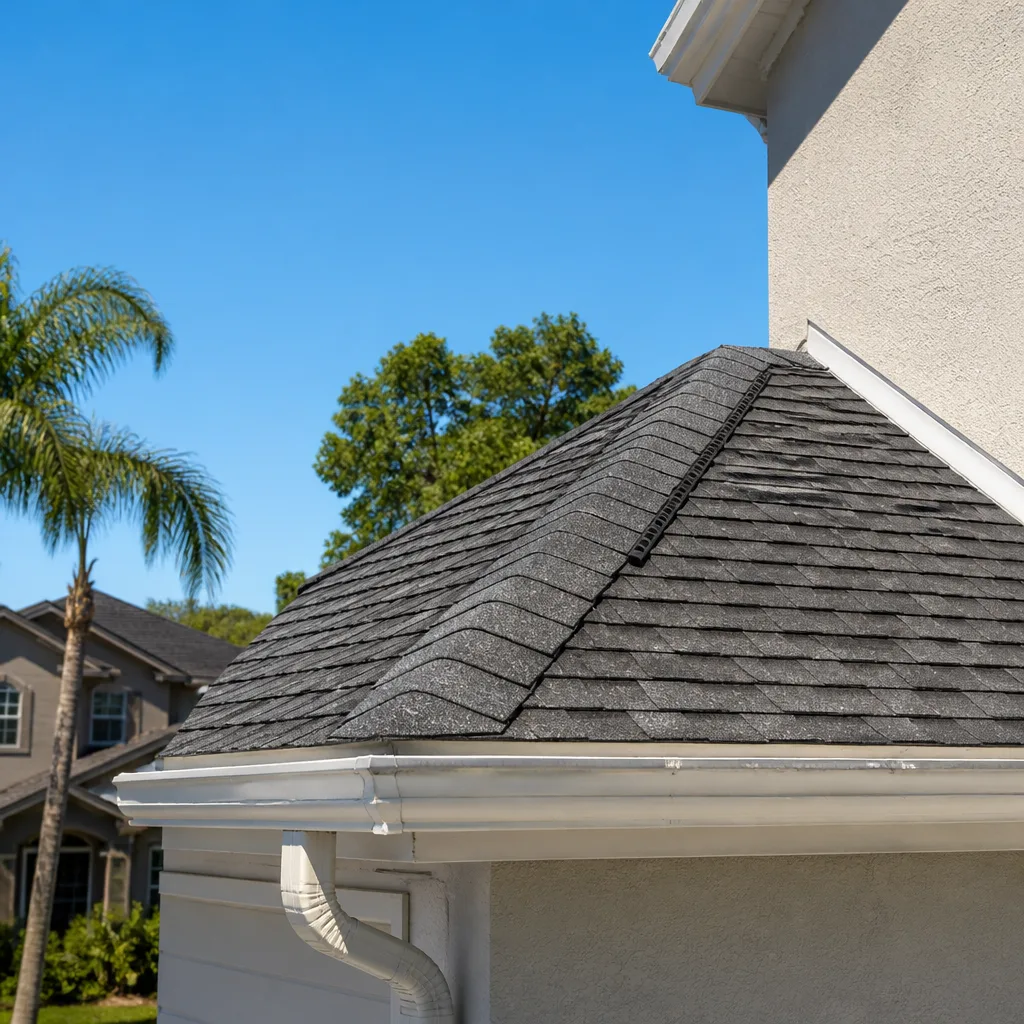
Free written scope consultation - allowances, timeline, and change-order rules on paper before a single trade is scheduled
How to Hire a Construction Contractor in Aventura: A Step-by-Step Guide
Most hiring guides tell you to get three bids and read some reviews. That advice falls apart in South Florida, where the difference between a properly licensed contractor and an unlicensed one stays invisible until a failed inspection or a denied insurance claim. What actually protects you is knowing how to read a license, how to match it to the company across from you, and how to structure money so the work has to keep pace with the payments. This guide walks you through hiring the way a project manager vets a trade partner in Aventura, step by step.
Quick Answer
To hire a construction contractor in Aventura, verify the contractor’s state license on myfloridalicense.com, confirm it matches the company name on your contract, check for any Miami-Dade local certification the job requires, insist on a written scope of work with line-item pricing, and tie payments to inspection milestones rather than calendar dates. Get the estimate and the scope in writing before a single dollar changes hands.
Styles & brands we work with
- Kitchen remodeling
- Bathroom remodeling
- Home additions & ADU
- Roofing
- Windows & doors
- Driveway & pavers
- Fence
Table of Contents
- How Do You Verify a Contractor’s License in Florida?
- Why Aventura Projects May Need Both State and Local Credentials
- What a Real Scope of Work Looks Like Before You Pay a Deposit
- How to Structure a Payment Schedule Around Inspections
- Red Flags Specific to South Florida’s Post-Storm Contractor Surge
- Why One Contractor for Every Scope Changes the Hiring Math
- How to Judge Material Specs and Manufacturer Relationships
- The Questions to Ask Before You Sign
How Do You Verify a Contractor’s License in Florida?
You verify a Florida contractor’s license at myfloridalicense.com, the state’s public licensing database, and you do it yourself before signing anything. The search is free, it takes a few minutes, and it tells you whether the license is active, what it covers, and whose name is on it. The step most homeowners skip: matching that record to the company name printed on the contract.
A certified contractor in Florida holds a state license in categories like general (CGC) or building (CBC) contracting. Those letters tell you what type of work the license covers. A residential project like a kitchen remodel, an addition, or a new roof needs the license category that matches the scope. If the license is for one trade and the contract covers several, ask who is performing and permitting the rest.
Here is the sequence we’d use on any Aventura property:
- Ask for the license number in writing before you talk price.
- Search that number on myfloridalicense.com and record the status, category, and qualified business name.
- Compare the business name on the license record to the name on your proposal and the name on the permit application.
- Check that the license is active, not suspended, expired, or tied to a different individual or company.
- Ask whether the project also needs a Miami-Dade local certification for the trade involved, and verify that separately.
If the name on the license doesn’t match the company name on your contract, that’s your answer. Move on to the next bid. Our technicians have up to 15 years of experience, and in that time the pattern is consistent: the problems that arrive in a courtroom or an insurance denial almost always trace back to a license that never belonged to the company doing the work. Construction Aventura operates with licensed contractors across every scope we take on, and we expect you to check.
Why Aventura Projects May Need Both State and Local Credentials
Aventura sits inside Miami-Dade County, and certain trade categories may require a local certification in addition to the state license. That means your vetting can’t stop at the state database. Depending on the scope, you may need to confirm both a state license and a Miami-Dade certification before work begins.
The practical way to handle this is to ask one direct question: “Who is pulling the permit, under which license, and will the inspection pass under that license?” A contractor who knows the answer without hesitating has done this in Aventura before. A contractor who gets vague has either not done it or doesn’t want you looking at the paperwork. Both answers are useful.
Why does this matter so much here? Aventura is a dense, established city where most projects involve an existing structure rather than a fresh lot. Existing buildings mean permits, plans reviewers, and inspectors who look at connections, structural modifications, and code compliance in detail. When you add an home additions & ADU to an existing property, or replace windows on a building built decades ago, the permit path is rarely a rubber stamp.
- Ask who files the permit. The licensed entity on the permit should match the entity on your contract.
- Ask for the permit number once it’s issued. A real permit has a public record you can look up.
- Ask what happens at each inspection. A contractor who can describe the inspection sequence understands the job.
- Ask what the local certification covers. Some scopes require it, some don’t, and the answer depends on the work.
This is where the premium-and-permit distinction lives. Miami-Dade is a high-wind region with specific requirements for certain building components, and window and door replacement in particular is governed by product approval rules. A contractor who installs impact-rated products from manufacturers like PGT, CGI, or ES Windows knows those approvals exist and can tell you how they apply to your project. A contractor who treats window replacement as a cosmetic swap may not.
What a Real Scope of Work Looks Like Before You Pay a Deposit
A legitimate scope of work names the materials, the quantities, the brands, the installation method, and the exclusions in writing before money changes hands. A vague proposal says “bathroom remodel, allowance for tile, per plan.” If you can’t tell from the page what is being installed and who is responsible for what, you don’t have a scope. You have a conversation you’ll be renegotiating in six weeks.
Here are the five line items that must appear before deposit time:
- Materials with brand and model. Not “tile,” but the actual product. Not “roofing,” but the manufacturer and product line, whether that’s GAF, CertainTeed, or Owens Corning. Not “cabinets,” but KraftMaid or Wellborn with the door style named.
- Quantities and square footage. A countertop bid that names Cambria, Silestone, or Caesarstone should also state the square footage and edge profile. A paver bid should state the paver brand from Belgard, Unilock, Tremron, Techo-Bloc, or Cambridge Pavers and the square footage of the installation.
- Labor scope, separated from material. You should see what’s included: demo, disposal, prep, installation, finishing, and any touch-up work after inspection.
- Exclusions. What’s explicitly not included. A clear exclusion list is a sign of an experienced contractor, not a warning. The vagueness is the warning.
- The payment schedule, in writing, tied to milestones. We cover this in the next section, but the scope and the schedule belong in the same document.
What separates a serious scope from a thin one isn’t length. It’s specificity. A one-page scope that names every product and quantity beats a ten-page document with three “allowances” and no model numbers. When we write a scope for an Aventura kitchen, the cabinets are specified by brand and line, the surfaces by manufacturer and material, and the plumbing fixtures by name from Kohler, Grohe, Moen, or Toto. That naming exists for your protection: those manufacturers publish warranties you can verify independently of anything we tell you.
How to Structure a Payment Schedule Around Inspections
Tie payments to inspection milestones, not calendar dates. This is the single biggest protection against incomplete work, and it’s also the clearest way to tell a professional contractor from a risky one. A schedule that says “30% on signing, 30% in three weeks, 40% on completion” puts you behind on day one and ahead on nothing. A schedule that says “deposit, then payment on passing the rough-in inspection, then payment on passing the final” keeps the contractor’s resources aligned with your project’s progress.
What this looks like in practice:
- Deposit: modest, tied to the cost of mobilizing, not the full material cost of the job.
- Progress payment one: on passing the rough-in or framing inspection, whatever applies to your scope.
- Progress payment two: on materials delivered to the site and installed to the point the next inspection covers.
- Final payment: on the final inspection pass and your walk-through, with the list of any remaining touch-ups complete.
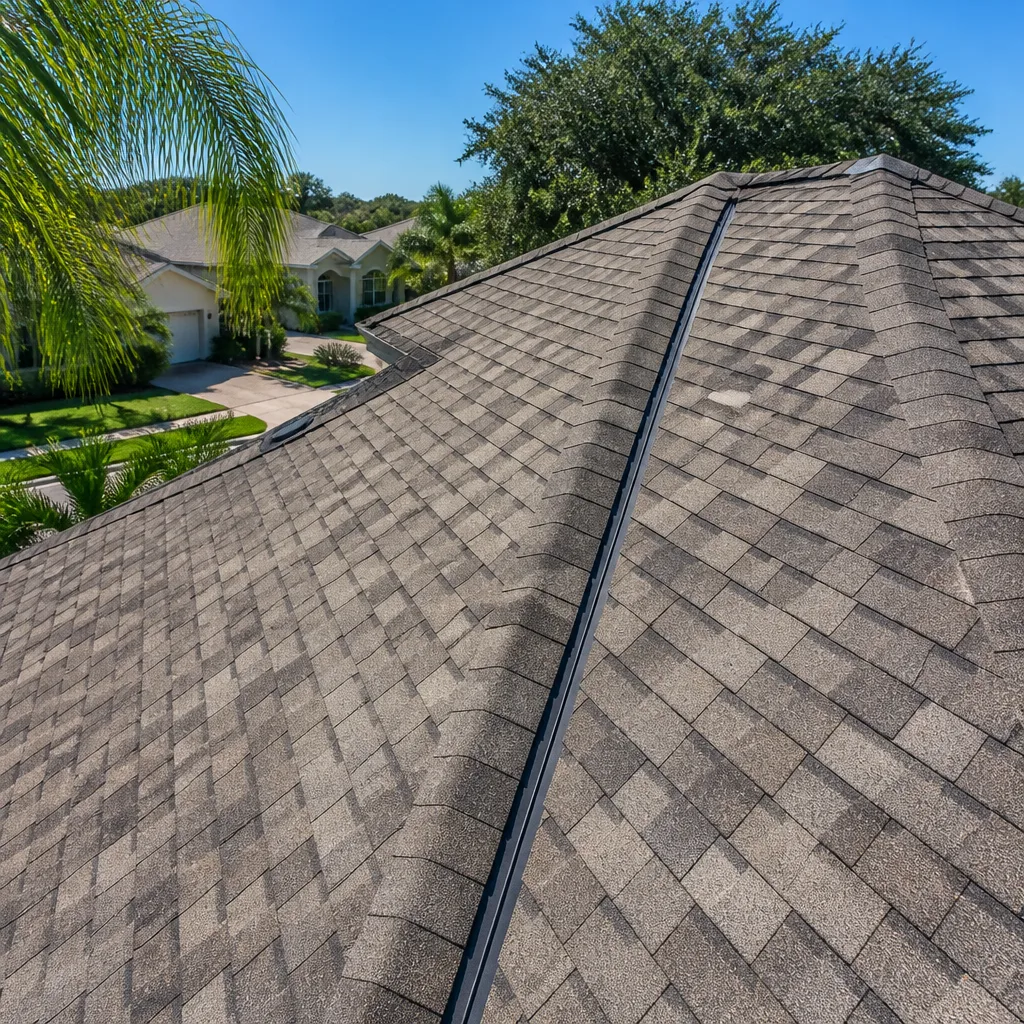
For a roofing job, the milestone is often the inspection after the roof is installed and the permit is closed out. For an addition, it’s the sequence of framing, electrical, plumbing, and final inspections. For a driveway & pavers installation, the relevant milestone is the base prep and the completed installation, inspected against the manufacturer’s installation spec. Every scope has its own rhythm. The principle doesn’t change.
One more point, and it’s the one people miss. The payment schedule should say what happens if the work stalls. A contractor confident in the schedule will put in writing that the next payment is contingent on the next milestone being hit. A contractor who resists tying payment to anything verifiable is telling you they need your money ahead of your progress.
Red Flags Specific to South Florida’s Post-Storm Contractor Surge
After a storm event in South Florida, contractors arrive from out of state looking for work. Some are legitimate. Some are opportunists who work the surge and leave before the inspections happen. Aventura homeowners need a short list of signs that tell the two apart before any deposit moves.
- Out-of-state plates and a rented truck. Not disqualifying on its own, but combined with no verifiable Florida license, it’s a hard stop. Ask for the Florida license number and check it on the state database.
- No local supplier relationships. Ask where the materials are coming from. A contractor with real relationships in the trade can tell you the supplier, the brand, and the lead time. A contractor who can’t name the source has a procurement problem you’ll inherit.
- Cash-only deposit requests. This removes your payment trail. You want a paper trail: canceled check, card record, or documented electronic transfer. Cash-only is the single most reliable warning sign.
- Pressure to sign today. A legitimate contractor doesn’t need a same-day signature. The work will still be there tomorrow, and a scope worth signing is worth reading first.
- A contract without a license number on it. Florida expects the license number on your contract. Its absence is the red flag.
- A proposal that quotes a price but not a scope. Price without scope is a placeholder. You’ll negotiate the real scope after you’ve committed.
The flip side of the surge red flags: the contractors who stay build the relationships that last. Our manufacturer partnerships span more than 50 brands in roofing, cabinetry, countertops, fixtures, windows, doors, hardscape, fencing, and ADU systems. We name those brands on the quote because the brand is part of what you’re buying, and the manufacturer’s warranty is part of what protects you. When you see a bid short on brand names and long on promises, you’re looking at the difference.
Why One Contractor for Every Scope Changes the Hiring Math
Most Aventura homeowners end up coordinating a roofer, a window company, a kitchen remodeler, a paver installer, and a fencing contractor on the same property over the same period. That coordination load is real: five contracts, five schedules, five payment trails, and five people who can each point at another trade when something slips. The burden of managing all that lands on you.
When one contractor covers the full envelope, roofing through driveway, the timeline conflicts shrink and the liability lines clear up. We’ve built our practice around this for a specific reason: in a project that touches both the exterior and interior of a home, the trades overlap more than people expect. Roofing work and window installation have to coordinate. Fencing and fence installation plans have to coordinate with hardscape layout and drainage. A kitchen remodel that moves a wall touches structural scope and window replacement. When those are one project under one contract, the sequence is designed rather than negotiated after a delay appears.
Our seven service categories under one relationship: driveway and pavers, fencing, home additions and ADUs, bathroom remodeling, windows and doors, roofing, and kitchen remodeling. Within each of those, we carry production-grade through designer-tier materials. That range matters because different homeowners make different choices. Some want a driveway in Belgard or Tremron pavers designed around the property’s grade and drainage. Others want a bathroom in Kohler fixtures and Cambria surfaces specified in detail. Our job is to give you the material options that fit the project and execute on the choice you make.
How to Judge Material Specs and Manufacturer Relationships
Material specs are how you verify a contractor’s claims without relying on their word. Name the brand, name the product line, and check whether the manufacturer publishes a warranty and installation spec you can look up. The brands a contractor chooses say more about their standards than anything on their website.
Some specifics to look for by category:
- Roofing: GAF, CertainTeed, and Owens Corning all publish installation specs and warranty terms. A bid that names the manufacturer and product line is a bid you can verify.
- Windows and doors: Impact-rated products from PGT, CGI, ES Windows, CWS, and similar manufacturers come with product approvals and installation guidance. Impact-rated windows are about performance in storm conditions, not just appearance. Replacing windows without attention to product approval and installation detail is where an inspection can go wrong.
- Kitchen: Cabinetry from KraftMaid or Wellborn, surfaces from Cambria, Silestone, or Caesarstone. Those brands publish their own warranty coverage, so you’re holding a document, not a promise.
- Bathroom: Kohler, Grohe, Moen, and Toto fixtures have published specs and warranty terms. A bid should name which fixture you’re getting, not “standard.”
- Hardscape: Belgard, Unilock, Tremron, Techo-Bloc, Cambridge Pavers, and Oldcastle all have installation standards. The install method matters more than the brand, but the brand determines the standards the installation should meet.
For ADU work specifically, the range of delivery methods has expanded. A home additions & ADU can go through traditional stick-built construction or through a prefab or modular system from manufacturers like Abodu, Dvele, Mighty Buildings, Boxabl, or Plant Prefab. The two paths have different timelines, different permit sequences, and different site work requirements. Both can work. Which fits your project depends on your scope and your timeline, and that’s a conversation worth having before a contract, not after.
The Questions to Ask Before You Sign
Questions do more work than reviews. Reviews describe past customers; questions reveal current capability. Here’s the short list we’d ask any contractor, whether it’s our team or someone else’s.
- What’s your Florida license number, and what does the license cover?
- Does this project require a local Miami-Dade certification, and who holds it?
- Who is pulling the permit, and will you share the permit number once it’s issued?
- Can you walk me through the inspection sequence for this scope?
- What materials are specified by brand and product line in this proposal?
- What’s the payment schedule, and what milestones are the payments tied to?
- What’s excluded from this scope?
- What happens if the work stalls or an inspection fails?
Write down the answers. Compare them across bids. The bid with the most specific answers is generally the bid with the most capable contractor behind it. The bid that answers all your questions with another round of questions is a bid to set aside. We’re comfortable with this comparison because we’ve built our process around it. The best way to compare bids is to make them all answer the same questions.
Common Mistakes to Avoid
- Hiring on price alone. In Aventura’s market, the lowest bid is often the one missing scope. When you compare bids, compare what’s included, not just the total. The cheap bid on a kitchen can become the expensive project once the missing items get added.
- Not checking the license on myfloridalicense.com. The most consequential check in the process is the one 90% of homeowners skip. Take a few minutes and look up the license number before you sign anything.
- Accepting a payment schedule tied to dates. Calendar-based payments put your money ahead of the work. Milestone-based payments tie the contractor’s income to your project’s progress. The schedule structure matters as much as the schedule amount.
- Letting a vague scope slide. “Allowance for tile” and “per plan” are the places projects overrun. Insist on brand, model, and quantity before any deposit.
- Skipping the local certification question. Miami-Dade requires local certification for certain trade categories, and not every project needs it. The mistake is not asking.
- Signing under pressure. Storm-season contractor surges bring time pressure. The bid worth accepting is the bid that’s still there tomorrow.
- Coordinating multiple trades without a plan. Roofing, windows, hardscape, and interior scope overlap. If you’re managing several contractors on one project, put the sequence in writing before work starts.
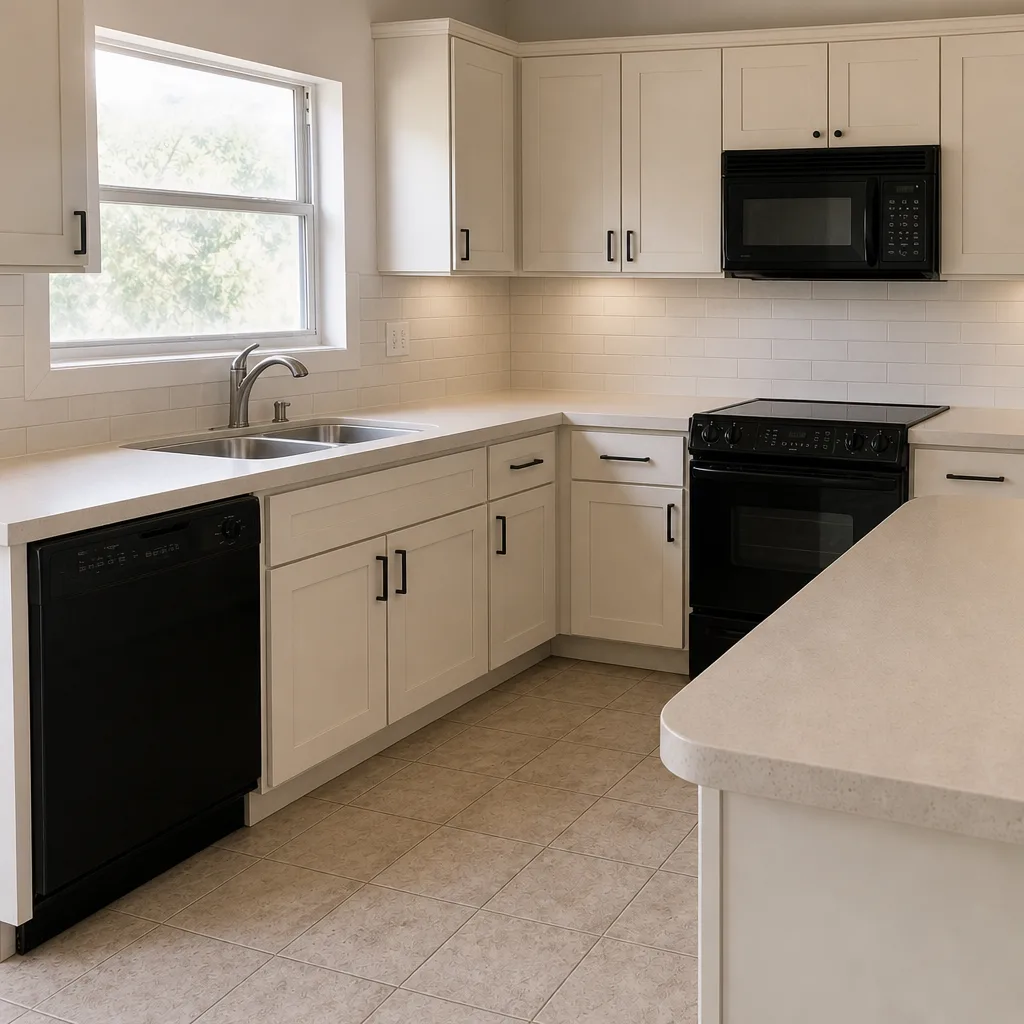
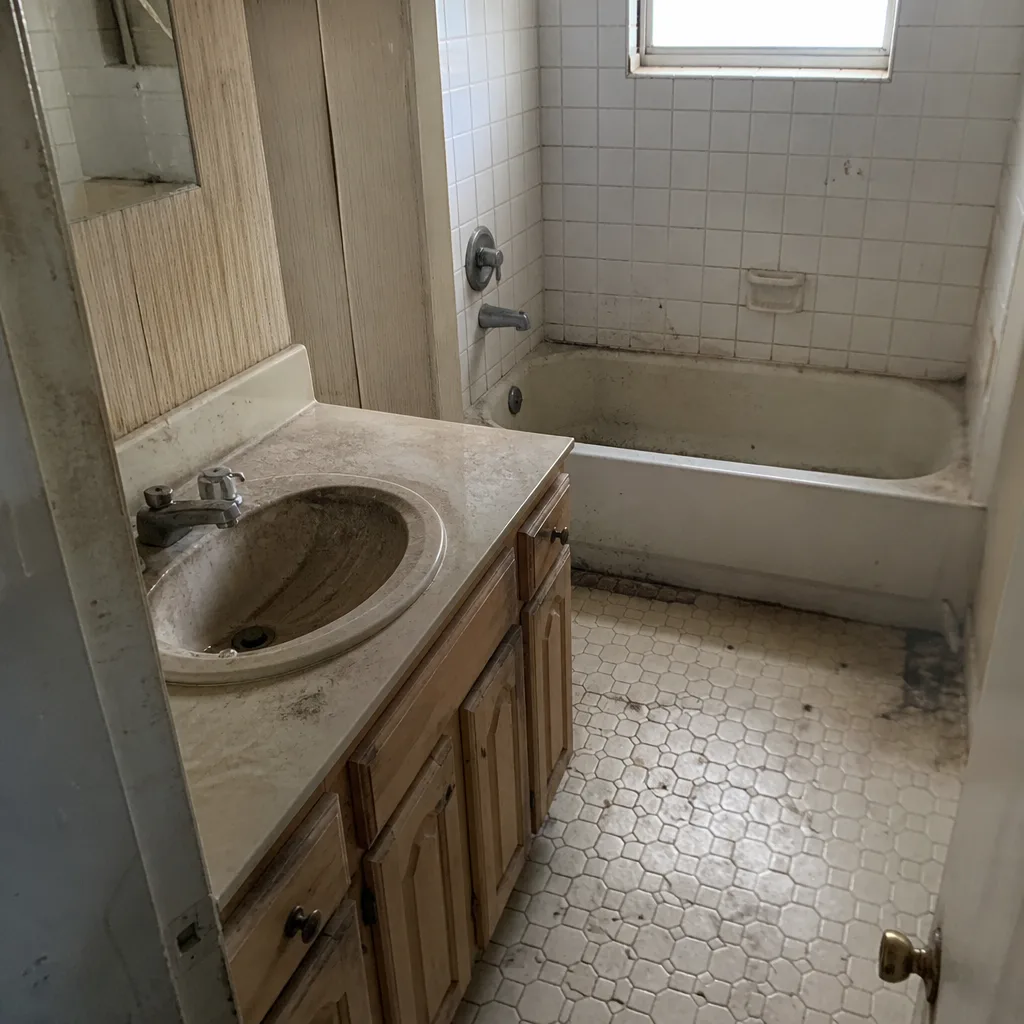
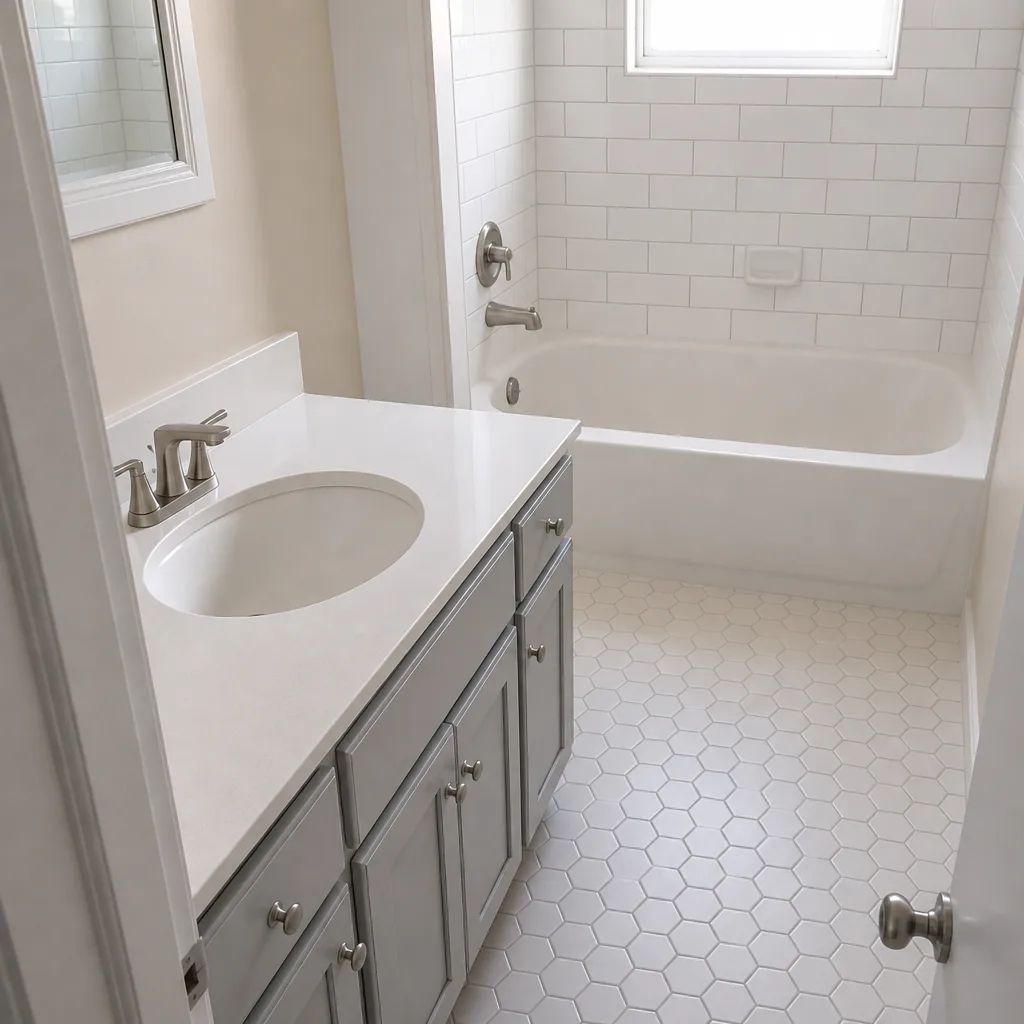
See the difference
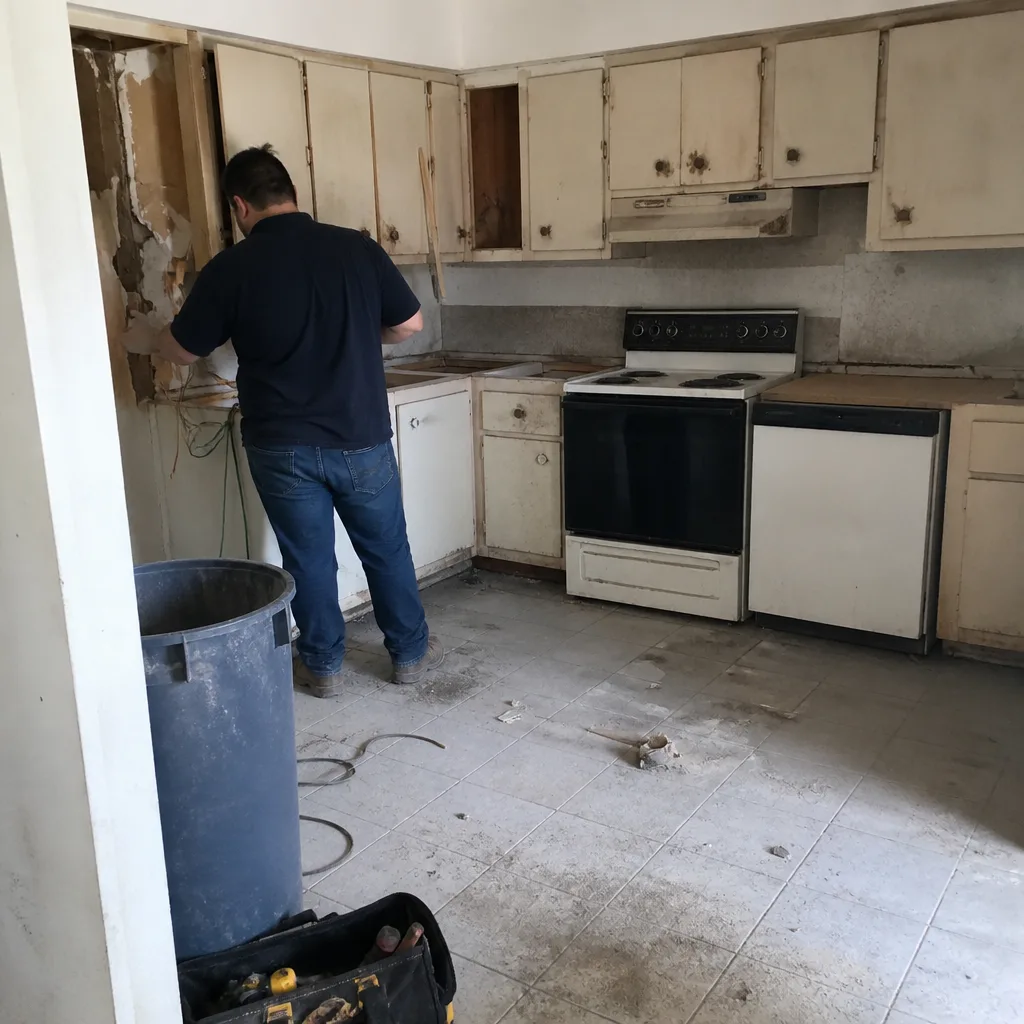 Before
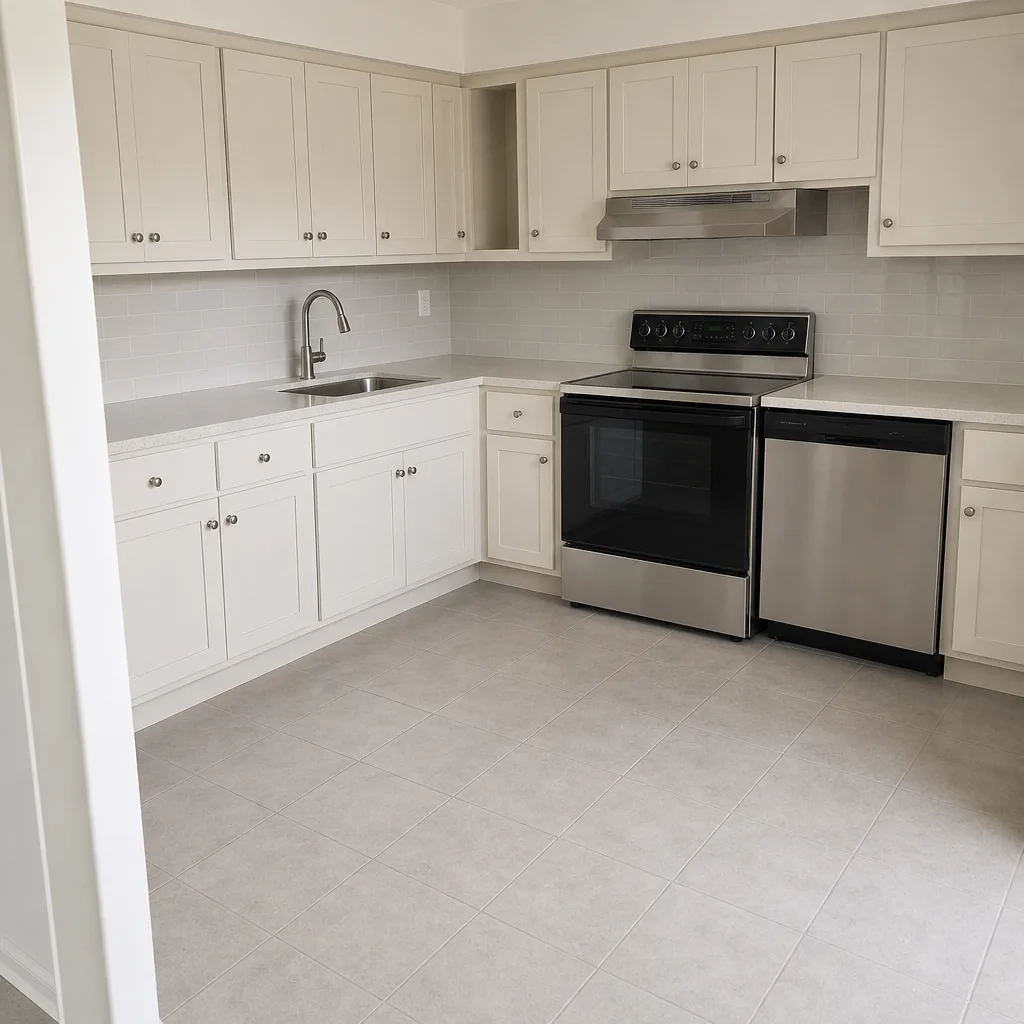 After
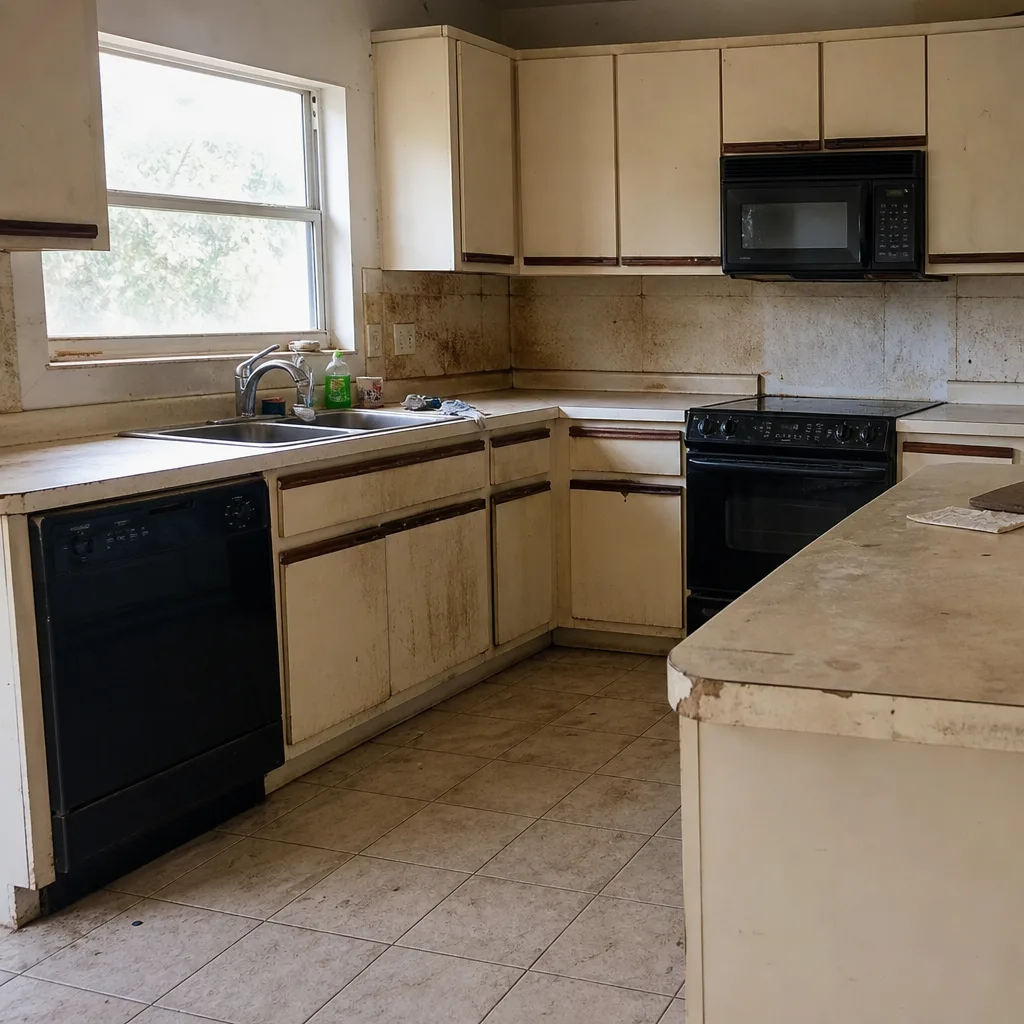 Before
 After
 Before
 After
When to Call a Professional
Call a professional the moment the project touches anything structural, anything permitted, or anything connected to the building envelope. Window replacement on an impact-rated property, roofing work, additions and ADUs, kitchen remodels that move plumbing or electrical, bathroom remodels with waterproofing requirements, and paver driveways that need proper base and drainage all fall in that category. Those scopes require a licensed contractor and permits, and the cost of a botched installation shows up at inspection, resale, or the next storm.
Construction Aventura offers free estimates in Aventura. We’ll check the license with you, walk the scope, name the brands and products, and put the payment schedule in writing. Call (833) 620-6514. We answer 24/7. Fast dispatch from 7am to 7pm, Sunday through Friday.
Frequently Asked Questions
Search the contractor’s license number on myfloridalicense.com, and confirm the license is active and matches the company name on your contract. If the project also requires Miami-Dade local certification, verify that separately. Call (833) 620-6514 if you want us to walk you through the check for your specific scope.
It depends on the trade category involved. Some scopes require state licensure only; others require a local Miami-Dade certification in addition. The right move is to ask the contractor directly which credentials apply and to verify each one. Call (833) 620-6514 for an exact read on your project scope.
Tie each payment to a milestone, usually an inspection pass, not to a calendar date. A deposit gets the project moving; progress payments follow verification of what’s been done; the final payment follows the final inspection and walk-through. Call (833) 620-6514 for a written schedule tied to your specific project.
Out-of-state plates with no verifiable Florida license, cash-only deposit requests, no local supplier relationships, a contract without a license number, pressure to sign the same day, and a proposal with a price but no scope. Multiple red flags at once should end the conversation. Call (833) 620-6514 for a written scope and a license number you can verify.
Yes, if the contractor carries the license coverage and material relationships across the scope. Construction Aventura takes on seven categories under one contract: driveway and pavers, fencing, home additions and ADU, bathroom remodeling, windows and doors, roofing, and kitchen remodeling. That breadth removes the coordination burden from you. Call (833) 620-6514 for a free estimate that covers the whole job.
Timeline depends on scope, permit review, and material lead times, which vary significantly between a bathroom refresh and an addition. The written schedule should state the sequence and the inspection milestones. Call (833) 620-6514 for a scope-specific timeline.
The Bottom Line
Hiring a construction contractor in Aventura is a credential check, not a popularity contest. Verify the license on myfloridalicense.com. Confirm Miami-Dade local certification where it applies. Demand a written scope with brand names and quantities. Tie your payments to inspections, not to calendar dates. Watch for the post-storm red flags. If you’re comparing bids, compare the specificity of the answers. The bid that answers every question with a detail is generally the bid that can deliver.
When you’re ready to put a project through that process, we’d like to be on your list. Construction Aventura covers roofing, windows and doors, kitchens, baths, additions and ADUs, driveways and pavers, and fencing under one relationship, with materials from more than 50 manufacturers across the trades. Call (833) 620-6514 for a free estimate. We answer 24/7. Fast dispatch from 7am to 7pm, Sunday through Friday. The written estimate sets the price.
Written by the team at Construction Aventura.