Last updated November 18, 2026
Free written scope consultation - allowances, timeline, and change-order rules on paper before a single trade is scheduled
Construction Cost Breakdown: The Aventura Homeowner’s Reference for 2026
Most cost guides you’ll find online are written for a country that doesn’t exist. They blend national averages into a single number, strip out the local labor market, ignore the material specifications this region actually requires, and hand you a figure that will be off by tens of thousands of dollars before you’ve signed anything. The uncomfortable truth is that an Aventura renovation doesn’t price like a renovation in Orlando or Atlanta, and the gap isn’t small. In this guide we break down real 2026 cost ranges for every major project category, explain how Miami-Dade permits and regional material specs move the number, and show you where budgets actually break. You’ll finish with defensible figures you can bring to any contractor conversation.
Quick Answer
In 2026, Aventura homeowners should expect kitchen remodels to run $45,000 – $135,000, bathroom remodels $18,000 – $65,000, room additions $180 – $380 per square foot, and detached ADUs $145,000 – $385,000 depending on whether you build stick-built or prefab. Those ranges assume licensed labor, permitted work, and materials that meet current Miami-Dade code. Every project also carries a 10 – 15% contingency line on top of these figures, which covers the change orders that almost always appear on CBS construction once walls open up.
Styles & brands we work with
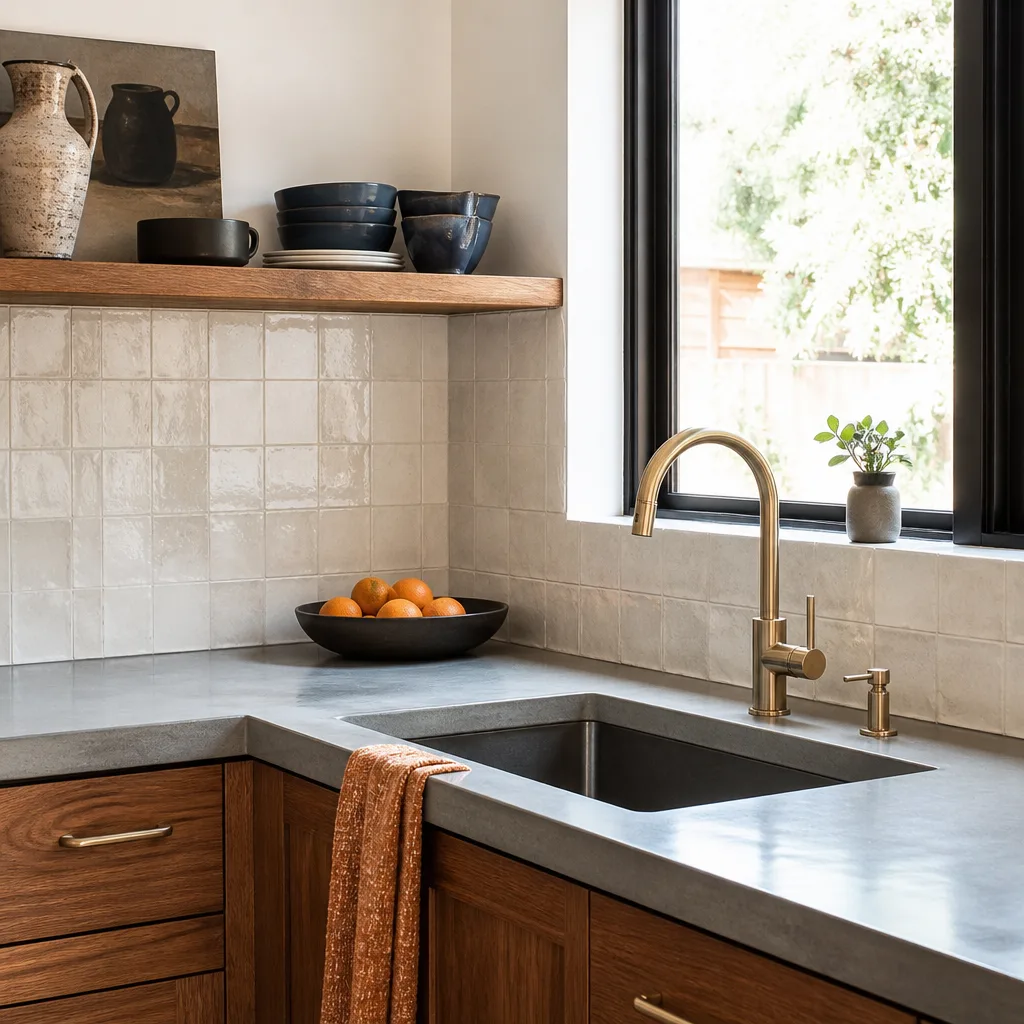
- Kitchen remodeling
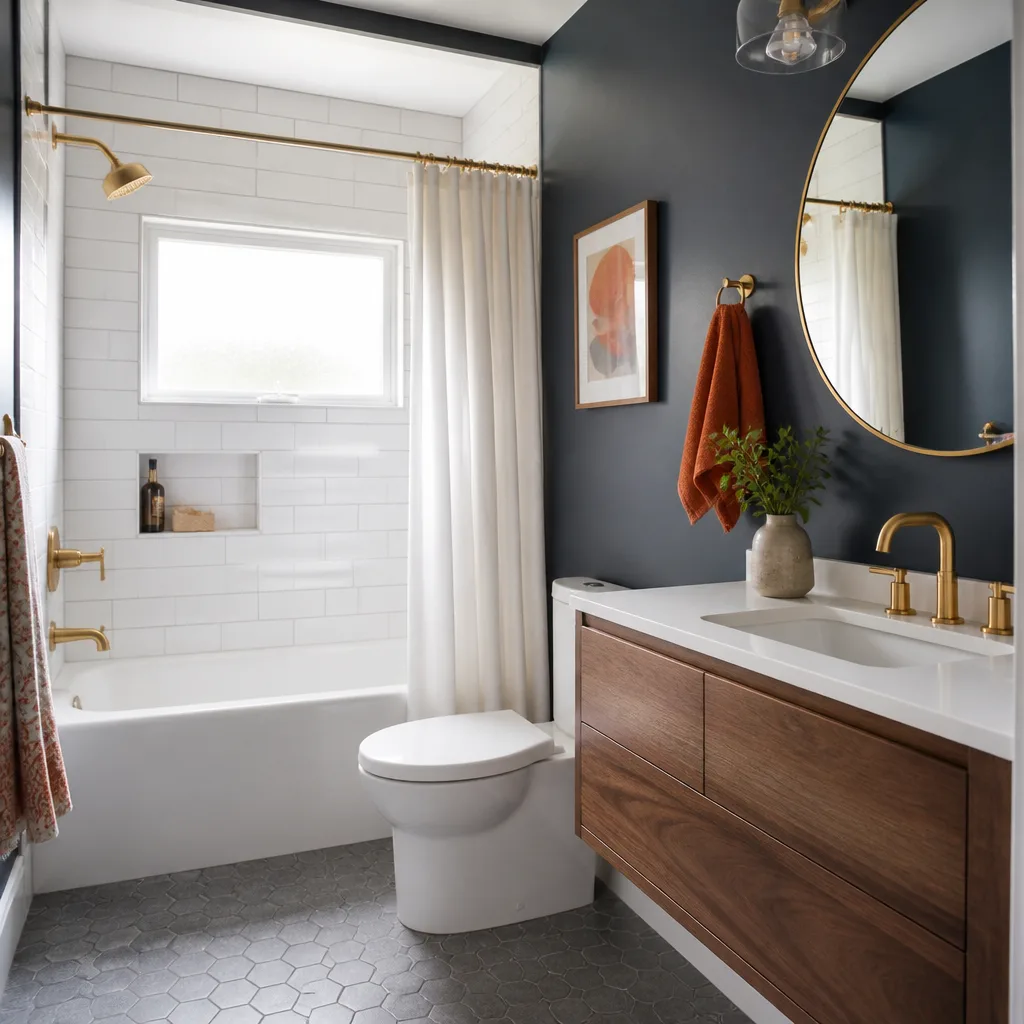
- Bathroom remodeling
- Home additions & ADU
- Roofing
- Windows & doors
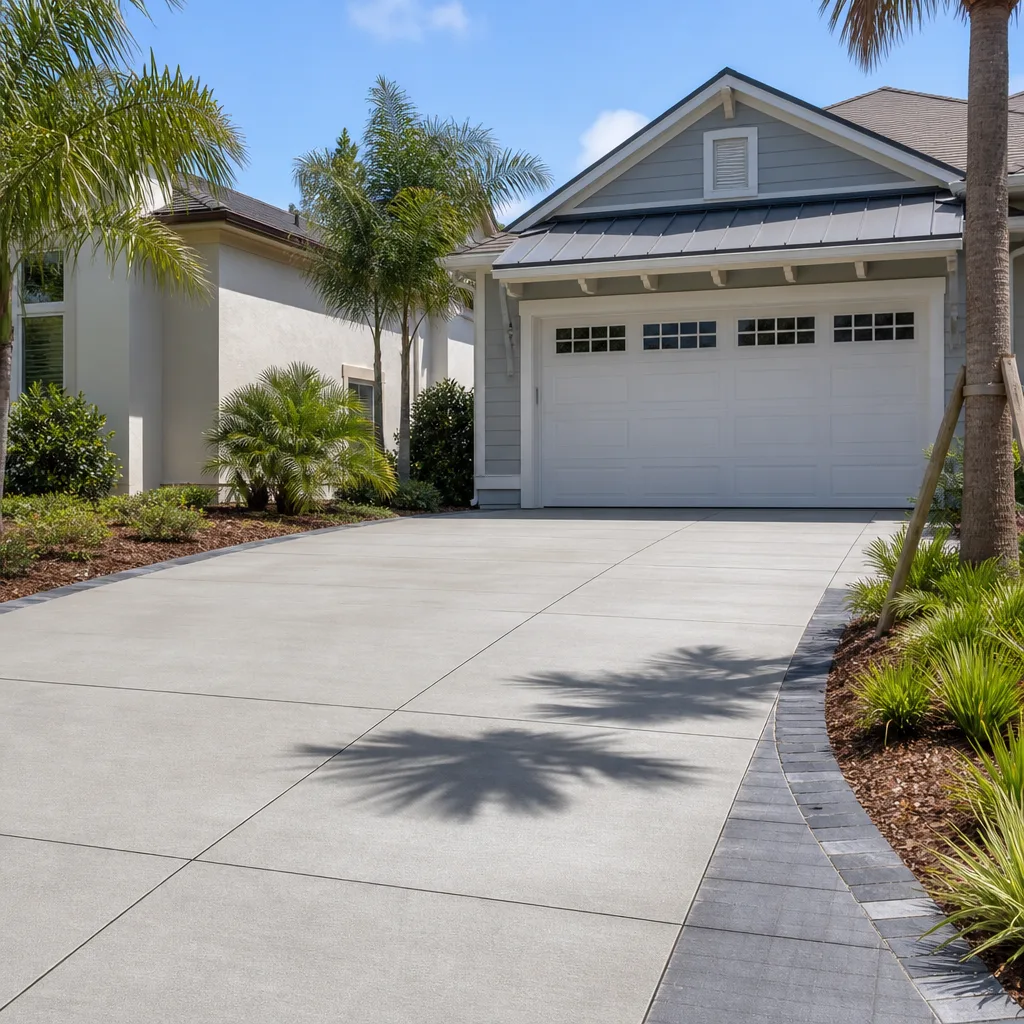
- Driveway & pavers
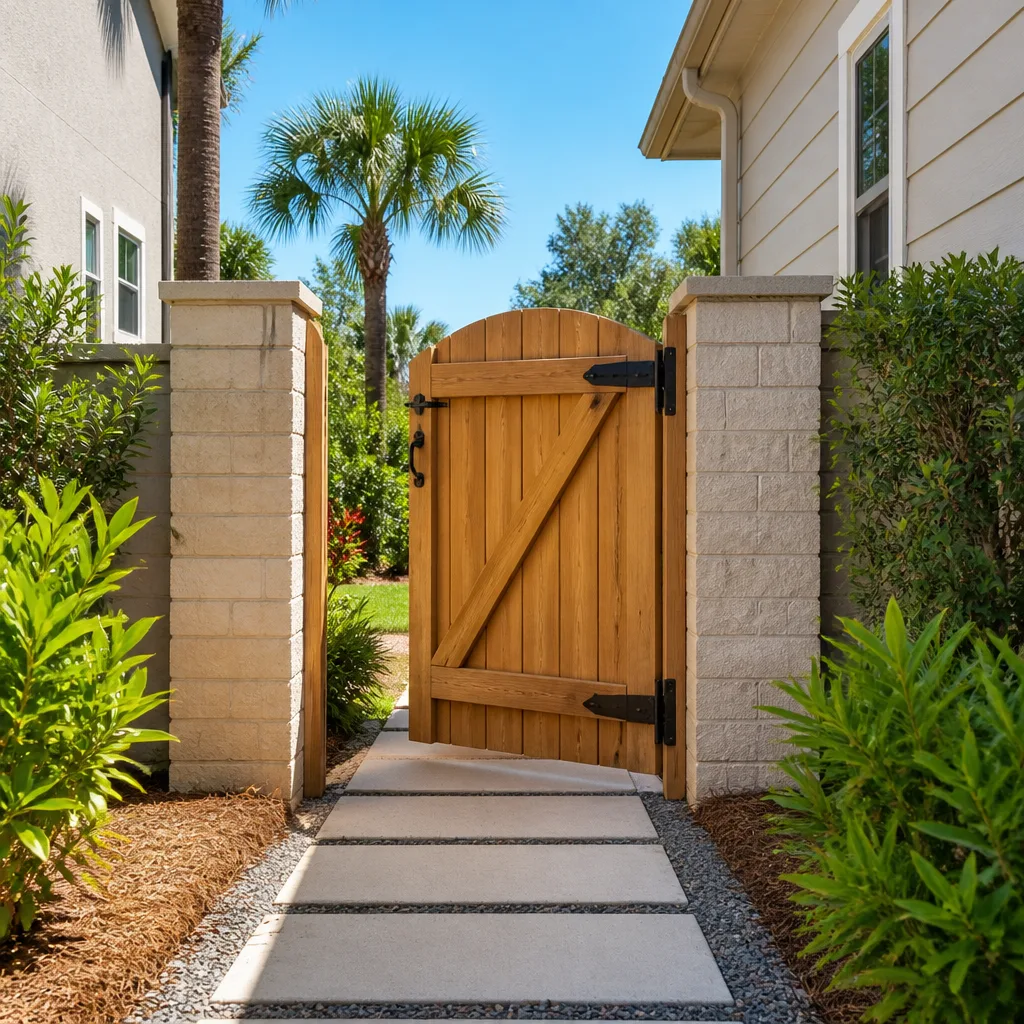
- Fence
Table of Contents
- Why Aventura Construction Costs Run Higher Than State Averages
- 2026 Cost Ranges by Project Category
- How Miami-Dade Permit Fees Are Calculated
- HVHZ Roofing Costs: Concrete Tile, Metal, and TPO
- Where Aventura Projects Run Over Budget
- How Manufacturer Relationships Affect Material Cost
- How to Scope a Multi-Category Project
- Common Mistakes to Avoid
Why Aventura Construction Costs Run Higher Than State Averages
Labor in Miami-Dade runs 18 – 22% above the Florida state average for licensed trades. That premium isn’t arbitrary. It reflects a market with tight trade availability, high demand from both renovation and new construction, and the insurance and licensing costs that come with building in a wind-borne debris region. When you see a national cost estimator give you a kitchen number, it’s usually built on labor rates from markets where electricians and tile setters cost meaningfully less per hour. That gap compounds across every line item.
Then there’s the material specification. Window and door projects in Aventura need impact-rated products, and roofing needs to meet High Velocity Hurricane Zone (HVHZ) standards with product approvals (NOAs) specific to Miami-Dade. Those requirements add roughly 10 – 15% to those categories versus standard Florida work. A window package that would cost $24,000 in a non-HVHZ county can easily run $28,000 – $32,000 here once impact glass, reinforced framing, and approved installation details are in the bid.
Stack the two effects together and the math on a mid-size Aventura renovation is stark. A $150,000 project priced against national averages can come in $30,000 or more under the real number. For a homeowner planning a room addition, an ADU, or a full interior gut, that’s the difference between a feasible project and one that stalls at the first bid.
Local housing stock plays a role too. Much of Aventura is concrete block and stucco (CBS) construction, which behaves differently during renovation than wood frame or brick. Electrical chases, plumbing relocations, and structural openings all require masonry cutting and patching, and that’s a labor line that generic cost tools don’t account for. When you get a quote, ask whether masonry work is carried as its own line or buried in the “demo and prep” figure.
2026 Cost Ranges by Project Category
Here’s the honest breakdown by category for Aventura in 2026. These ranges assume licensed labor, permitted work, mid-to-premium finishes, and a written line-item estimate. The written estimate always sets the final price, so treat these as planning numbers, not quotes.
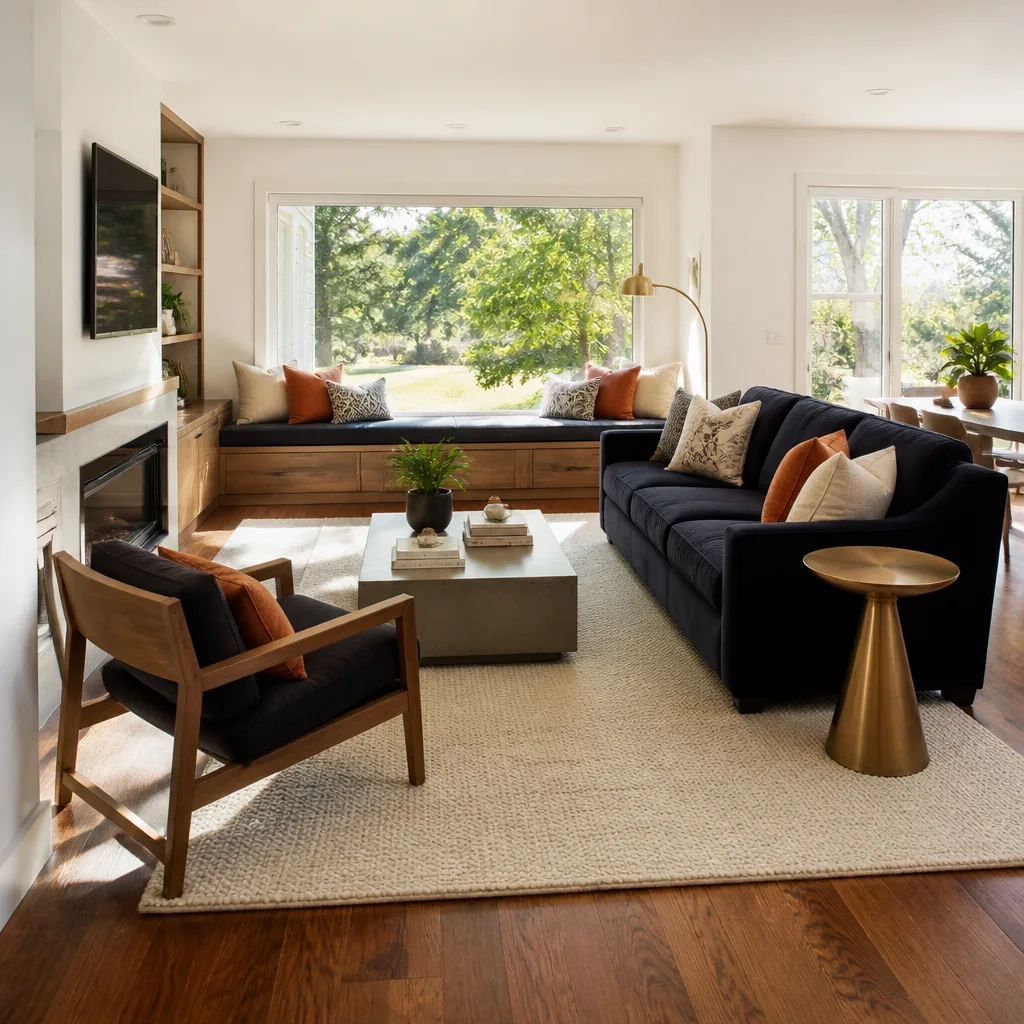
Kitchen Remodeling
- Refresh (same layout, new surfaces): $45,000 – $68,000
- Mid-range (layout shift, new cabinetry and appliances): $68,000 – $105,000
- Premium (full gut, structural changes, designer-tier materials): $105,000 – $135,000+
Break those totals into line items and you’ll see why. Cabinetry typically accounts for 25 – 30% of the budget, countertops 8 – 12%, labor 25 – 35%, appliances 10 – 15%, and permits plus contingency the remainder. If you’re choosing between quartz surfaces like Cambria or Silestone, expect the stone line to land in a predictable band per square foot – the escalation comes from the fabrication details (edge profiles, waterfall panels, cutouts), not the raw slab. Our kitchen remodeling work is built around designer-grade cabinetry and stone surfaces that carry manufacturer warranties you can verify independently.
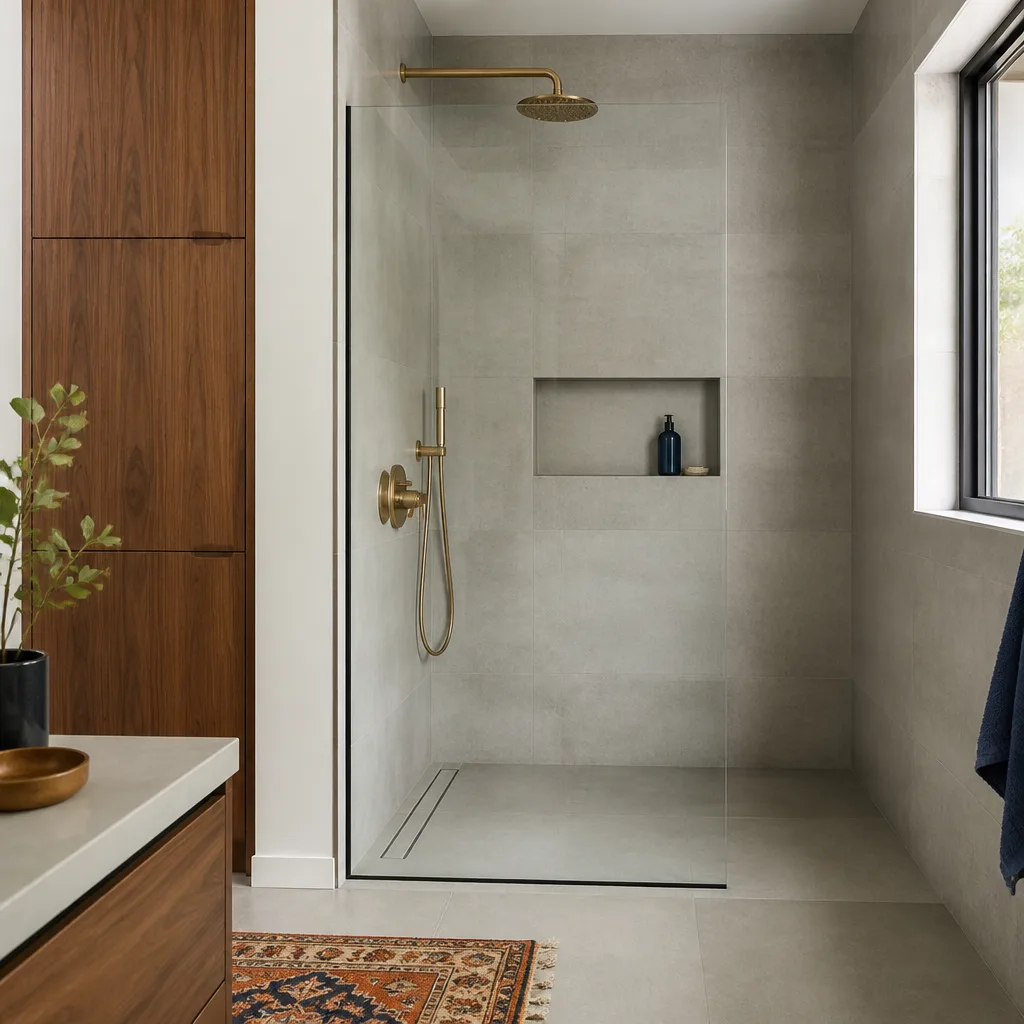
Bathroom Remodeling
- Guest bath refresh: $18,000 – $28,000
- Primary bath, mid-range: $28,000 – $45,000
- Primary bath, premium (wet room, custom tile, luxury fixtures): $45,000 – $65,000+
Bathrooms cost more per square foot than almost any other room because plumbing, waterproofing, and finish tolerances all compound. A 60-square-foot bathroom can easily cost more than a 120-square-foot bedroom. Tile work is a big lever: large-format porcelain runs cheaper to install than intricate mosaics, and curbless showers cost more than a tub-and-surround configuration because the waterproofing and slope work is more involved.
Home Additions
- Standard addition, mid-range finish: $180 – $260 per sq ft
- Premium addition (structural complexity, high-end finishes): $260 – $380 per sq ft
A 400-square-foot addition lands roughly $72,000 – $152,000 depending on finish level and existing structure. Additions almost always require engineering, and many require the existing roof structure to be tied into the new one – that’s a line item many homeowners forget. If you’re weighing an addition against moving, compare it to the cost of acquiring another property in Aventura, not to a national average.
Accessory Dwelling Units (ADUs)
- Prefab/modular ADU (installed, utility-connected): $145,000 – $245,000
- Stick-built detached ADU: $240,000 – $385,000
Prefab systems from manufacturers like Abodu, Dvele, Mighty Buildings, and Plant Prefab compress the build timeline and often reduce on-site labor – which matters because labor is the most volatile line in the budget. Stick-built gives you maximum customization but takes longer. Our home additions & ADU team works both paths so the choice comes down to your scope and timeline, not ours.
How Miami-Dade Permit Fees Are Calculated
Miami-Dade building permits are calculated on project valuation, not square footage. That’s the single most important thing to understand about permit costs in this market. When your contractor submits a permit application, they declare a construction value, and the fee scales from that declared value according to the county’s fee schedule. This is great for small work and painful for large work.
Here’s how the numbers usually shake out:
- Under $1,000 in declared value: nominal flat-fee territory, often $50 – $120
- $1,000 – $50,000: roughly 1.5 – 2.5% of declared value, plus separate trade permits (electrical, plumbing, mechanical)
- $50,000 – $250,000: roughly 1 – 1.5% of declared value, plus trade permits and plan review charges
- Above $250,000: negotiated bands, plan review fees, and impact fees where applicable
The trade permits matter: a single kitchen remodel typically triggers separate electrical, plumbing, and mechanical permits on top of the building permit. Each one carries its own fee. A comprehensive remodel with a tankless water heater swap, new wiring, and a relocated sink can stack 3 – 4 permit line items before the building permit is even processed.
Declared valuation is also where honesty pays. Under-declaring to save on fees gets flagged during plan review, and the resubmittal delay costs more in labor time than the fee savings. In our experience, the cleanest Aventura projects are the ones where the valuation matches the written contract precisely – reviewers move faster, inspections pass cleaner, and the final cost certificate reconciles without a fight. When you receive an estimate from us or any licensed contractor, confirm the declared value matches the contract before the application goes in.
HVHZ Roofing Costs: Concrete Tile, Metal, and TPO
Aventura sits in the High Velocity Hurricane Zone, and that fact runs through every roofing line item. HVHZ requires products with Miami-Dade NOA approval and installation to the specific detail shown in that approval – not “similar to” or “in the spirit of.” The approval is the specification. If your roofer’s bid doesn’t reference NOA numbers, that’s a red flag worth catching before you sign.
Typical 2026 installed cost per square (100 sq ft) for Aventura residential roofs, including underlayment, fasteners, and labor:
- Concrete tile (new roof, tear-off included): $1,100 – $1,650 per square
- Metal (standing seam or metal tile): $1,450 – $2,400 per square
- TPO flat/low-slope: $1,250 – $1,900 per square
A 2,000-square-foot roof at 22 squares lands roughly $24,000 – $36,000 in concrete tile, $32,000 – $53,000 in metal, and $27,500 – $42,000 in TPO. The gap between categories is real, but so is the life-cycle math. Metal on a properly detailed HVHZ install will typically outlast two tile roofs, and TPO on a low-slope section can outperform modified bitumen by a wide margin when installation details are correct.
Two line items every Aventura roof bid should contain: secondary water barrier (required under HVHZ for tile installs) and a peel-and-stick underlayment spec. If a bid skips those, the number is artificially low and the finished roof is underperforming. Roofing is also one of the trades where manufacturer relationships matter most – GAF, CertainTeed, and Owens Corning all offer HVHZ-approved product lines, and going through approved installers preserves the manufacturer’s material warranty. Our roofing work is specified with those warranty paths in mind.
If you’re seeing active leaks or storm damage, don’t wait for the quote cycle. Call (833) 620-6514. We answer 24/7. Fast dispatch from 7am to 7pm, Sunday through Friday.
Where Aventura Projects Run Over Budget
Change orders don’t come from nowhere. Across our Aventura work and the broader Miami-Dade market, five change order categories account for roughly 80% of overages on CBS renovation projects. Knowing them in advance is your best defense.
- Hidden water damage or termite activity. Once stucco or drywall opens, moisture intrusion behind tile, window frames, or shower surrounds frequently appears. Remediation is rarely optional and almost never priced into the initial bid. A contingency line of 10 – 15% is the practical answer.
- Electrical and plumbing not meeting current code. Older Aventura homes often have wiring and plumbing that’s functioning but not compliant. Renovating the kitchen or bath triggers code upgrades on the circuits and supply lines feeding those rooms, even when the original systems technically work.
- Structural surprises at load-bearing walls. The moment a plan calls for opening a wall, engineering and possible headers enter the budget. CBS construction complicates this because cutting block requires shoring and lintel work that wood-frame homes don’t.
- Window and door specification creep. Homeowners often price standard windows early, then upgrade to impact-rated or specialty configurations later. That upgrade moves both material cost and the installation labor line significantly on an HVHZ project.
- Finish changes during installation. Tile, plumbing fixtures, and countertops ordered after work starts often arrive with substitutions. Kohler fixtures or a Cambria slab that swaps mid-project can add weeks of schedule and a re-order premium.
Sequencing is the other budget killer. A common Aventura pattern is to install new flooring before the kitchen cabinetry arrives, then have to protect or redo the floor. Another is to permit the exterior work and interior work on separate applications – reviewers see two partial projects instead of one coherent scope, and the review cycle doubles. When a single contractor carries the whole scope, that sequencing problem mostly disappears.
How Manufacturer Relationships Affect Material Cost
Manufacturer direct relationships move the material number on the line items where specification, warranty, and volume actually matter. They don’t affect every category equally. Understanding which ones they help is how you read a bid honestly.
Where relationships matter most:
- Roofing systems. Approved installer status with GAF, CertainTeed, or Owens Corning affects both the material pricing tier and the warranty term you can offer. The material difference is real but the warranty difference is often larger.
- Cabinetry. Designer-tier lines like KraftMaid and Wellborn price differently depending on whether the dealer is authorized. A homeowner sourcing retail pays a different number than a project routed through a dealer relationship.
- Countertops. Slab pricing for Cambria, Silestone, and Caesarstone shifts based on fabrication relationships and slab availability. The stone itself is a commodity; the fabrication and templating are where the cost lives.
- Hardscape pavers. Belgard, Unilock, Tremron, Techo-Bloc, and Cambridge Pavers all have dealer program tiers. Volume and installer certification affect units per pallet pricing and the availability of specific colorways.
- Prefab ADU systems. Abodu, Dvele, and Mighty Buildings price differently depending on the volume and specifications of the project. A repeat-fabricator relationship can compress the delivery schedule as much as the price.
What relationships don’t do: they don’t make designer-tier material cheaper than production-grade. They close the gap between retail and trade pricing on the same product line. If a contractor claims their Kohler fixtures are 40% below retail, ask to see the manufacturer’s dealer invoice terms. Brand partnership language is often inflated by marketing; the real value is in the warranty path and the specification accuracy.
Where we draw lines: one contractor, every scope. When your roofing, driveway pavers, windows, and kitchen are all carried under one contract, the material tiers stay consistent across categories – no mismatched warranties, no finger-pointing when a specification slips between trades. Our brand portfolio spans roofing to cabinetry to hardscape for exactly that reason.
If you’re planning hardscape work alongside other exterior categories, our driveway & pavers scope handles the grading, base preparation, and paver specification as part of the same envelope. If you’re upgrading the property edge, fence installation works off the same site plan. And if you’re consolidating the full envelope-to-interior scope under one contractor, that’s the whole point of Construction Aventura.
How to Scope a Multi-Category Project
The single biggest determinant of whether a multi-category Aventura project goes smoothly is sequencing. Here’s the order we work through on projects that combine a kitchen, bath, roof, and hardscape scope – it holds up because it respects permit timelines, material lead times, and dry-in dependencies.
- Define the full scope before bidding. A kitchen quote that excludes electrical panel upgrades, a roof quote that excludes fascia repair, or a paver quote that excludes a drainage study are all under-scoped. Get the full envelope defined first, then price it as a package.
- Sequence permits ahead of materials. Miami-Dade permit review for a multi-trade project can take weeks. Submit everything you can as a combined application so plan review runs once, not twice.
- Roof and envelope first. Never install a new kitchen or bathroom finish before the roof and windows are weather-tight and inspected. Impact window installation through PGT, CGI, or ES Windows should be complete before interior finish work begins.
- Rough-in trades next. Electrical, plumbing, and mechanical rough-ins happen in one window so each trade can inspect clean, then wall close-up follows.
- Hardscape during dry-in. Driveway and paver work can run while interior finish trades are active inside. This is where multi-category coordination actually saves weeks.
- Finishes last, in order. Cabinetry, countertops, tile, fixtures, paint – in that sequence. This is where the schedule gains hold or fall apart.
If you’re running this as a homeowner coordinating separate vendors, every one of those steps becomes your project management. If you’re running it as a single contractor relationship, the sequencing is on the contractor. That’s the practical difference between one accountable team and four vendors with conflicting calendars.
Common Mistakes to Avoid
- Pricing against national averages. A national cost tool can understate a mid-size Aventura renovation by $30,000 or more. Use local ranges (the ones in this guide), not the national ones, before you make go/no-go decisions.
- Leaving the permit valuation under-declared. Under-declaring project value to save on fees gets flagged at plan review, and the resubmittal delay costs more than the fee savings. Match the declared value to the contract exactly.
- Ordering finishes before the scope is locked. Kohler fixtures, Cambria countertops, and cabinet orders placed before the layout is final almost always get re-ordered. Lock the plan first, order second.
- Skipping the contingency line. A 10 – 15% contingency isn’t padding; it’s the number that covers the water damage, termite activity, and code upgrades that CBS renovation reliably surfaces.
- Splitting a project across too many contractors. Separate roof, window, kitchen, and paver contractors create sequencing conflicts where each blames the other for a delay. One accountable team is faster than four good ones.
- Assuming an HVHZ product bidding standard products. A roof bid without NOA references and a secondary water barrier is under-specified. Verify the details before you sign, not after the final inspection.
- Ignoring the ADU/build-method decision. Prefab and stick-built ADUs have different schedule and cost profiles. Choosing prefab because it’s faster without comparing finish quality, and choosing stick-built for flexibility without pricing the labor line, are both ways to regret the choice.
See the difference
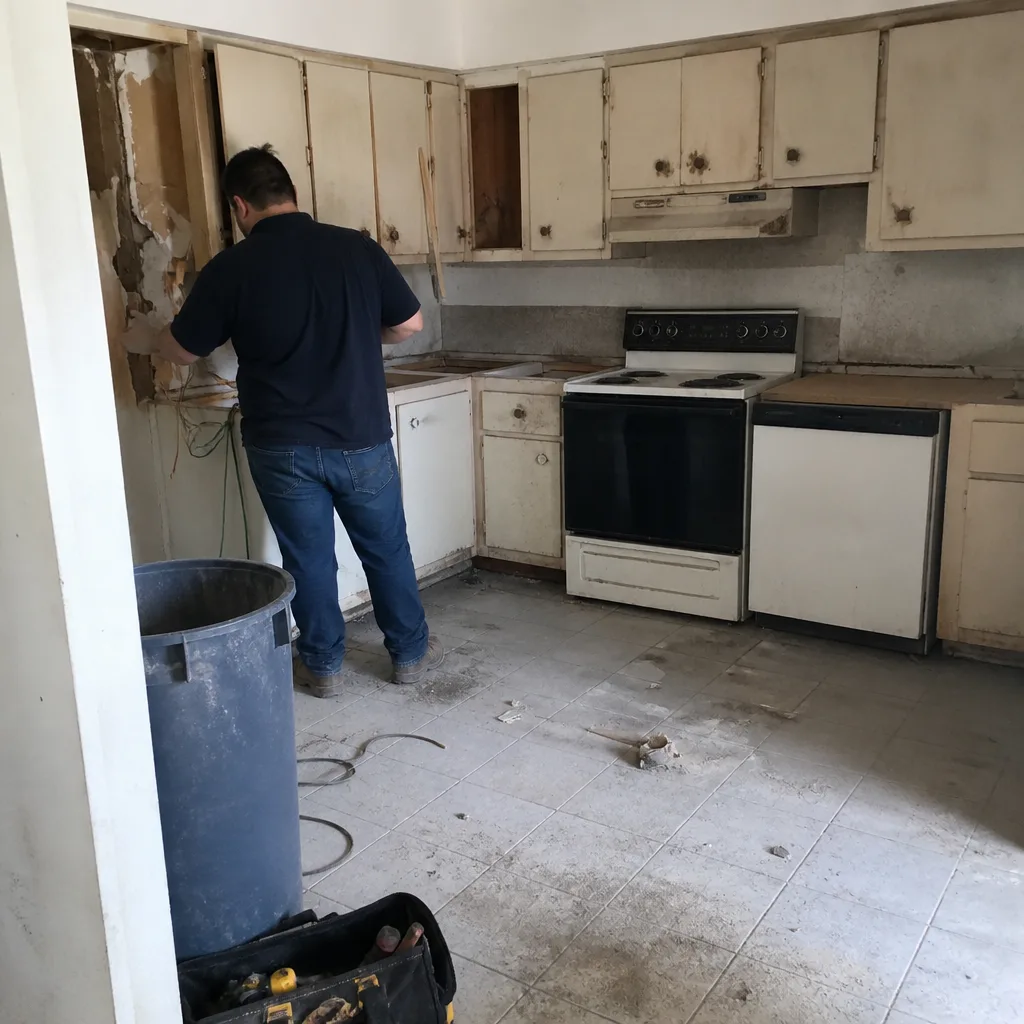 Before
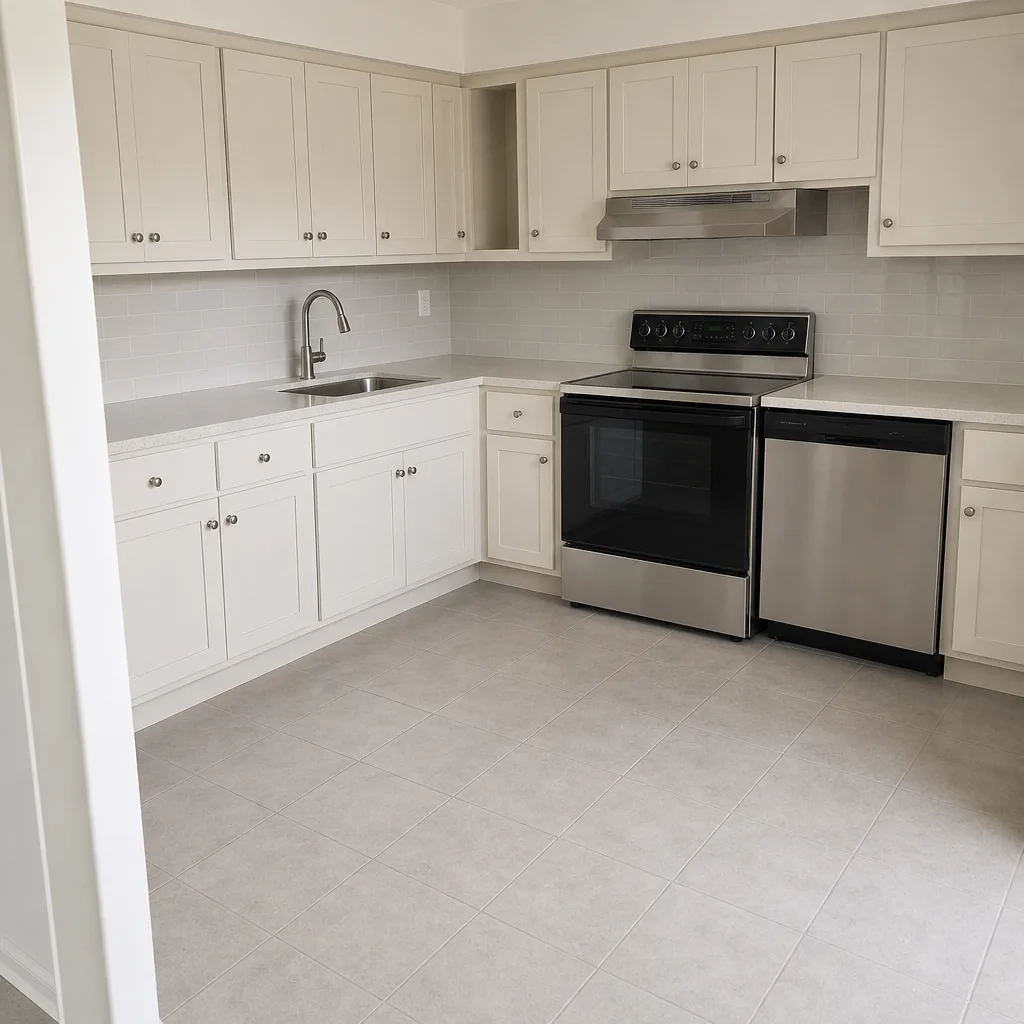 After
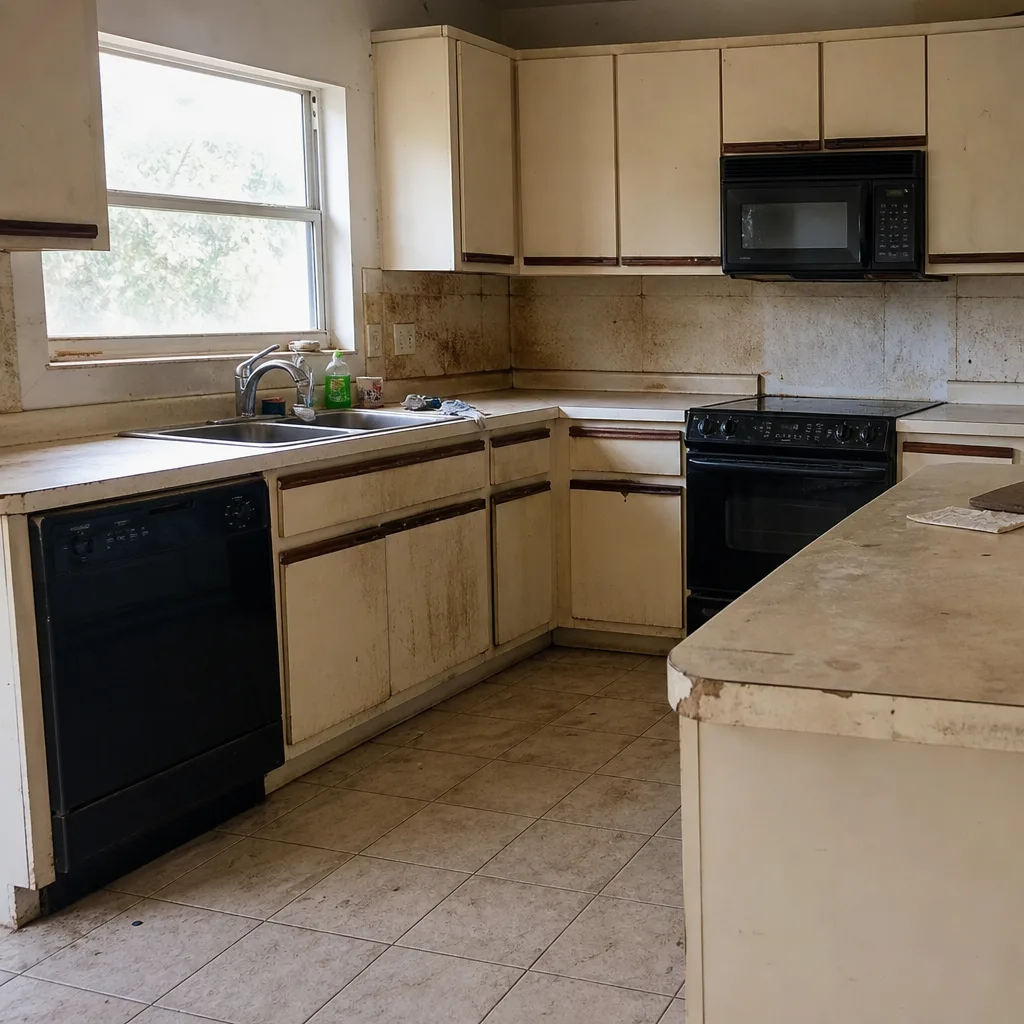 Before
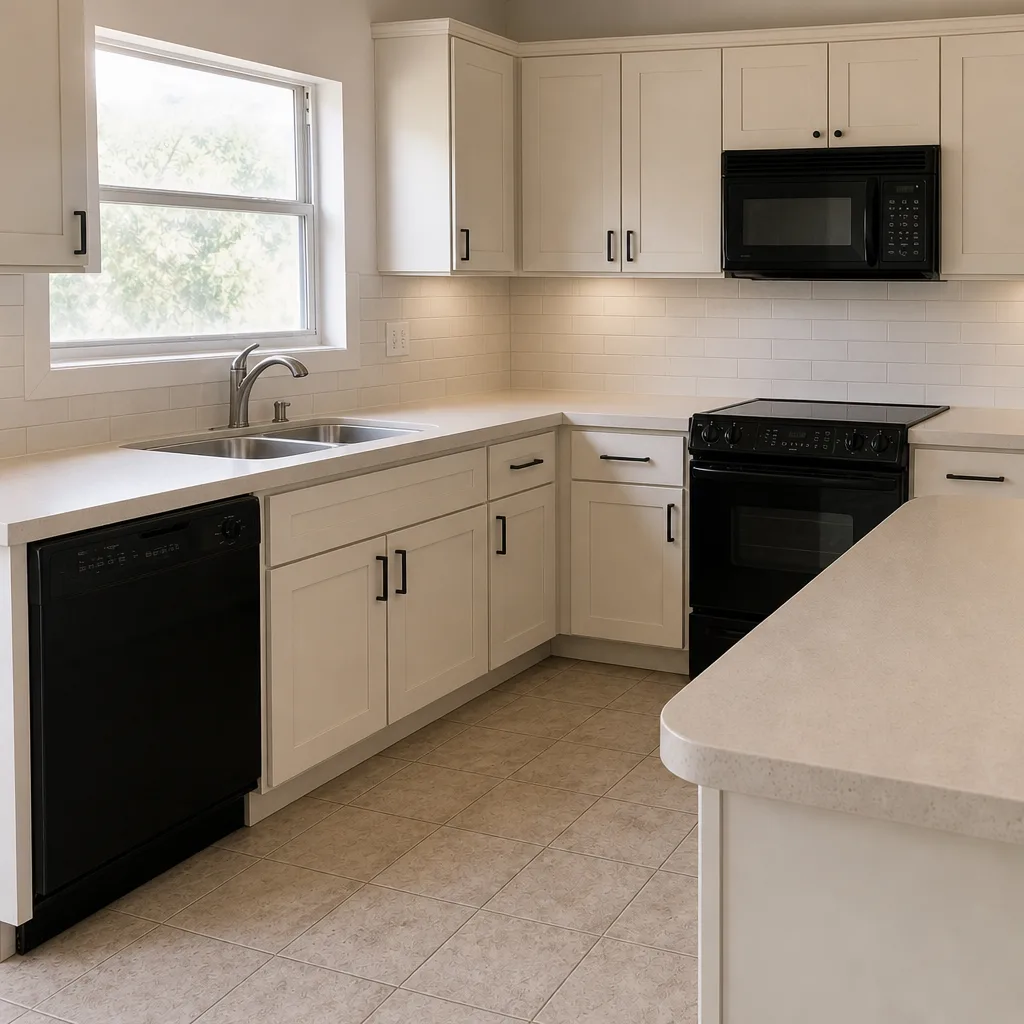 After
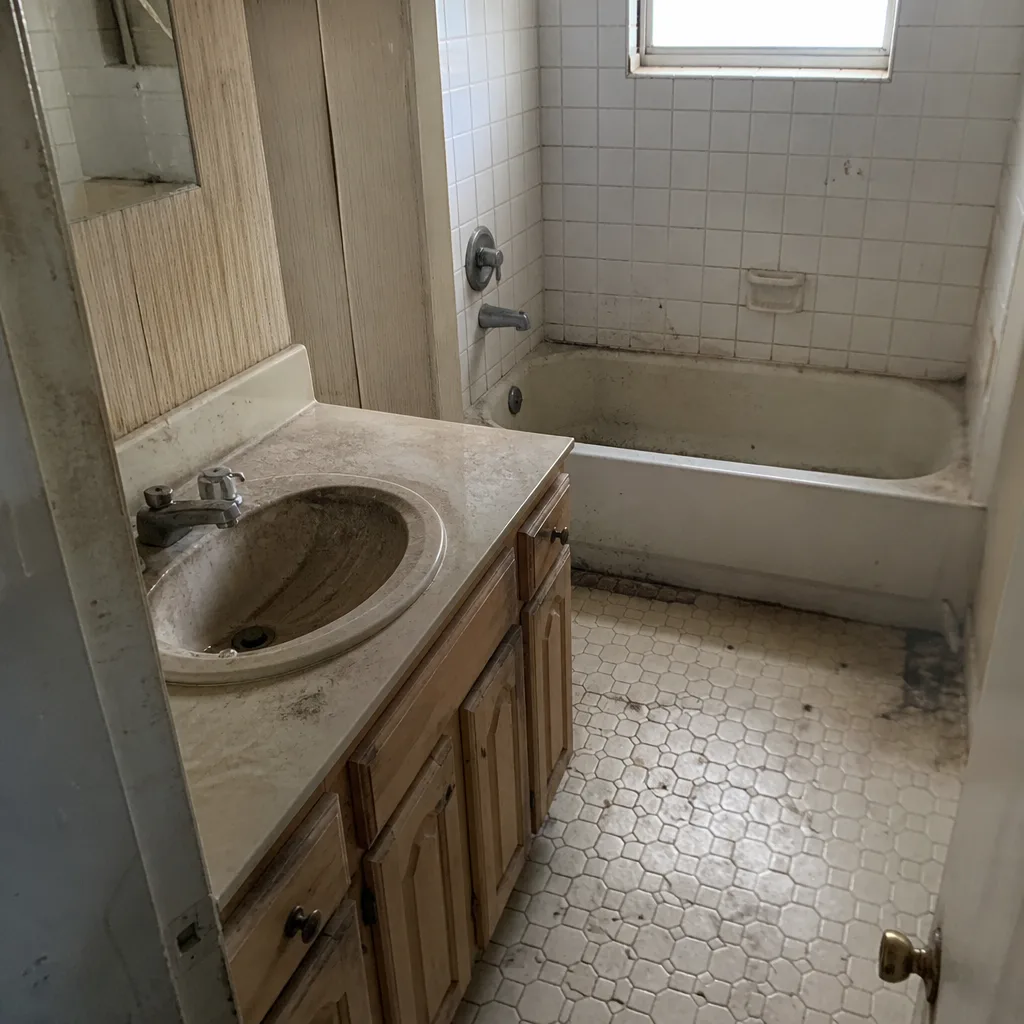 Before
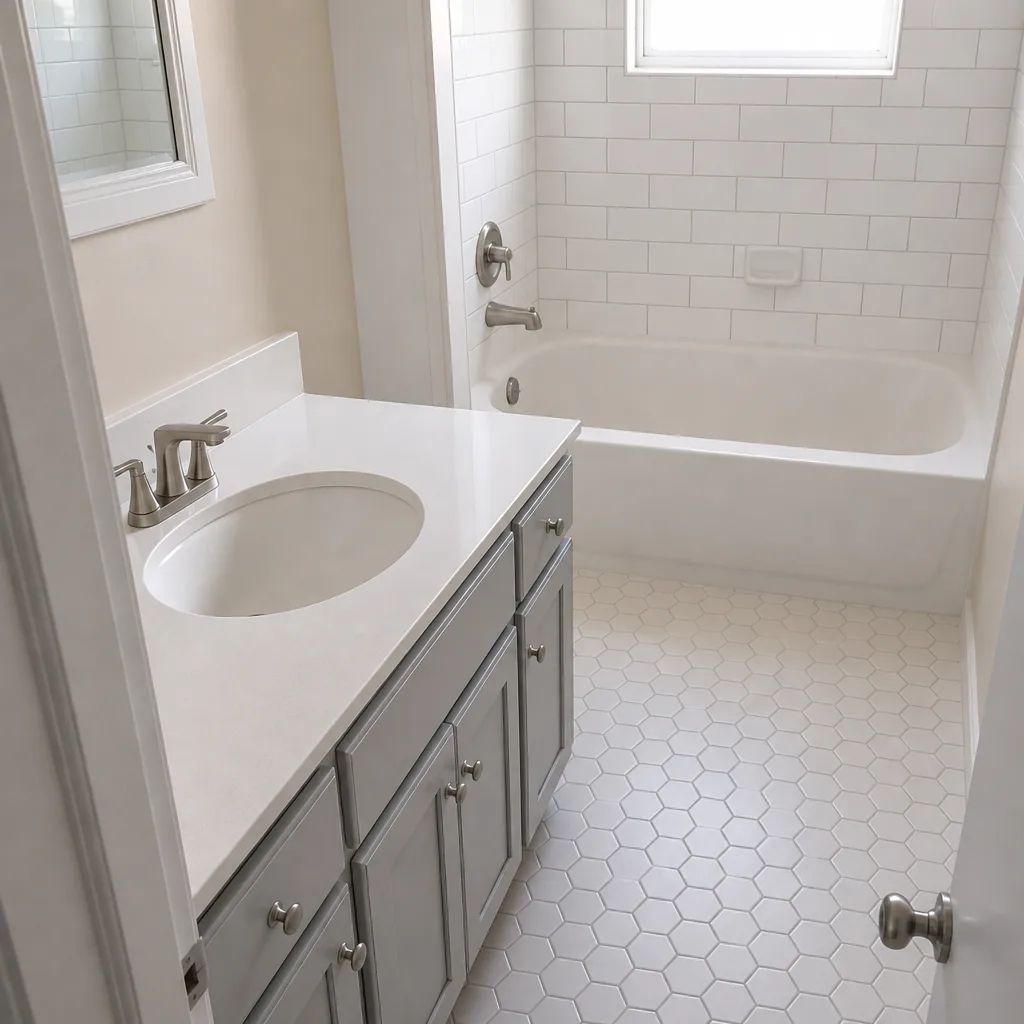 After
When to Call a Professional
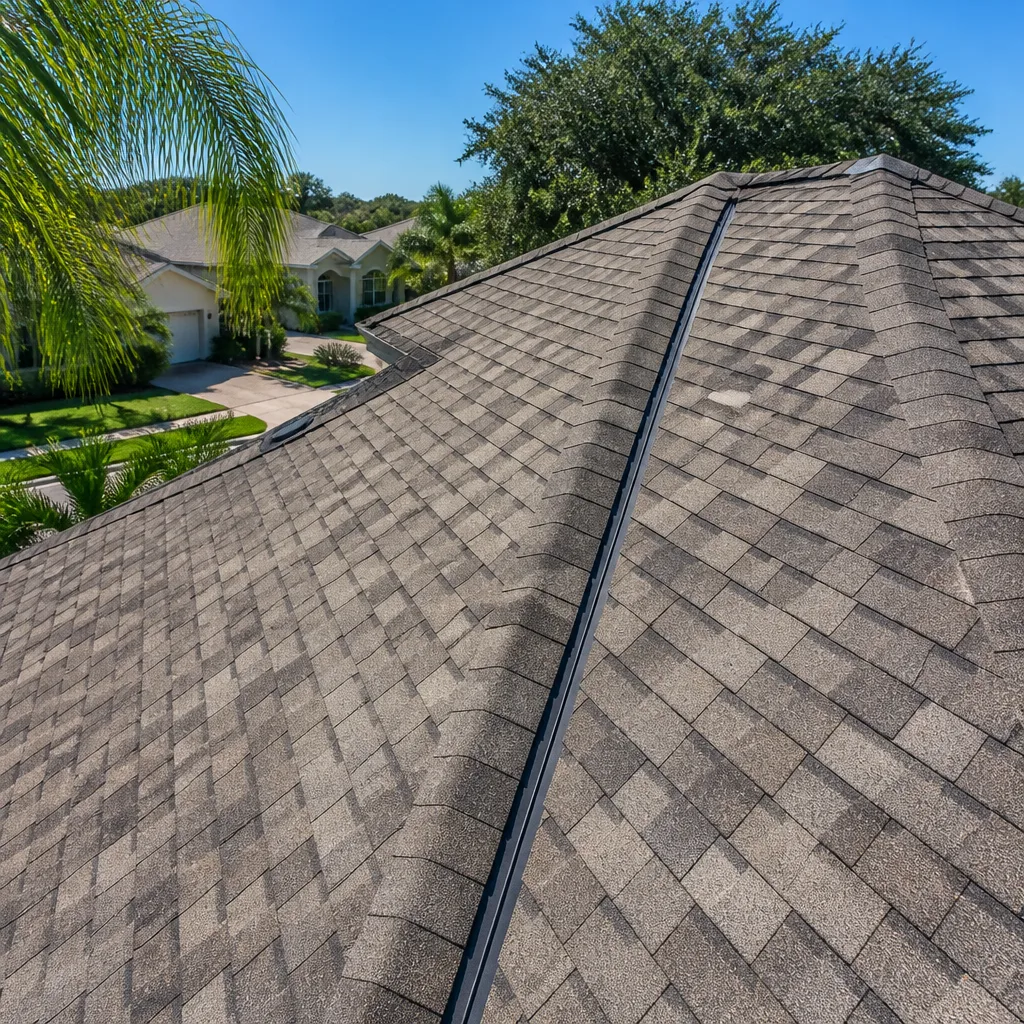
Some scope is fine to handle yourself: painting, hardware swaps, and cosmetic refreshing rarely justify a contractor. But the moment a project involves structural work, roof or envelope replacement, electrical or plumbing relocation, or impact window installation, you’re into territory where permits, inspections, and licensed trades are required – and where a mistake on a load-bearing wall or a waterproofed shower carries real cost. Any project with three or more trades on-site at once is a professional coordination problem, whether or not the individual trades are licensed.
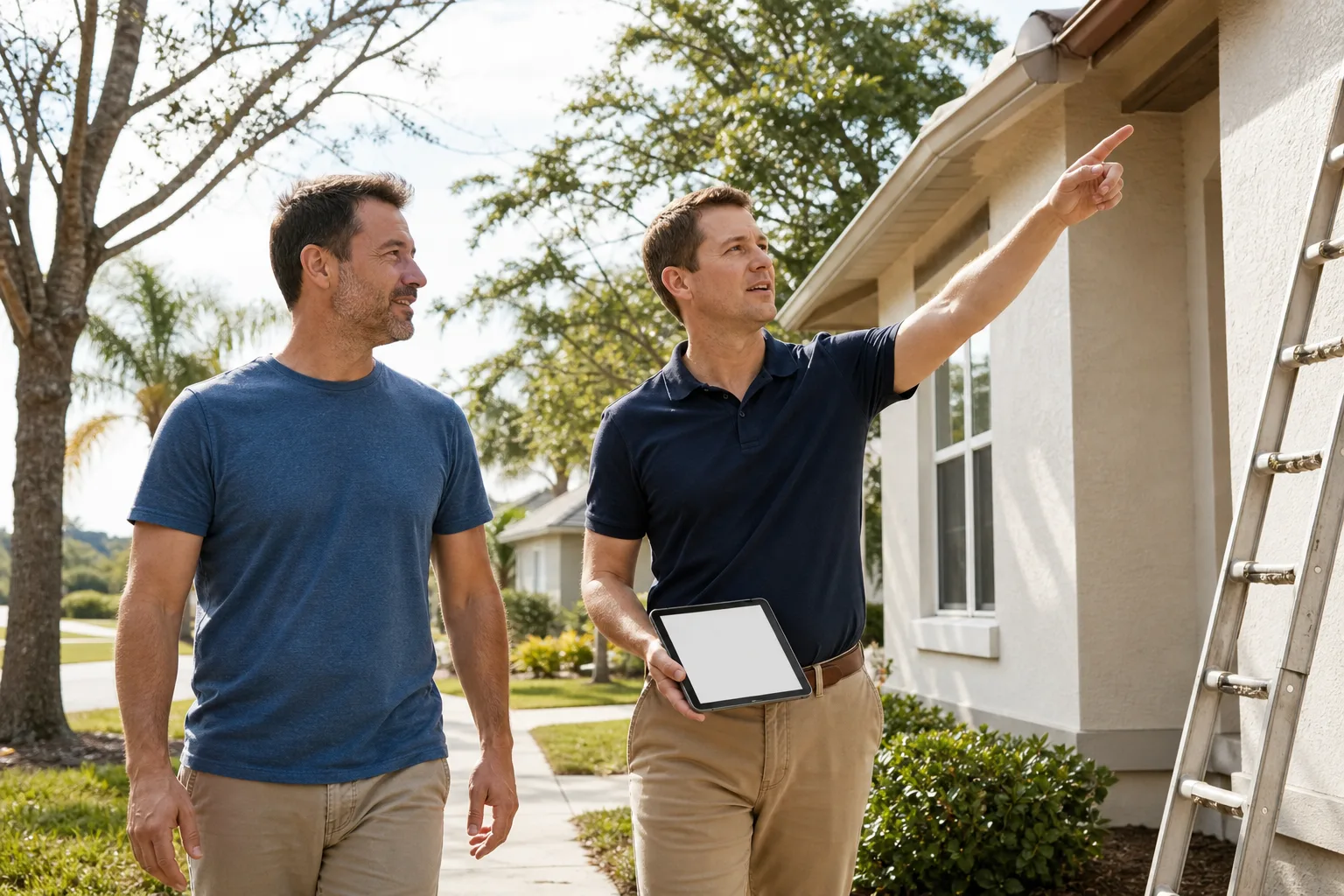
If you’re in Aventura and the project budget exceeds about $25,000, a written line-item estimate from a licensed contractor is the right next step. Construction Aventura offers free estimates in Aventura – call (833) 620-6514 to schedule. We’ll usually want to see the space, walk the scope, and compare what you’re planning against the permit and material requirements that apply. Our technicians have up to 15 years of experience across the full envelope – from roofing and windows down to hardscape and interior finishes – which means you’re not coordinating five specialists.
Frequently Asked Questions
A kitchen remodel in Aventura typically runs $45,000 – $68,000 for a surface refresh, $68,000 – $105,000 for a mid-range layout change, and $105,000 – $135,000+ for a full gut with premium materials. The written line-item estimate sets the final price. Call (833) 620-6514 for an exact quote – estimates are free.
Labor in Miami-Dade runs 18 – 22% above the Florida state average for licensed trades, and HVHZ material specifications add another 10 – 15% to roofing and window line items. Combined, that can shift a mid-size renovation by $30,000 or more versus national cost estimators. The gap is structural, not a contractor markup.
Yes. Any bathroom remodel that touches electrical, plumbing, or mechanical systems requires separate trade permits on top of the building permit, and Miami-Dade calculates fees based on declared project valuation. Assuming you can skip a permit because the scope “seems small” is one of the more common and more expensive mistakes we see on Aventura projects. We pull the permits and pass the inspections as part of the contract – call (833) 620-6514 to discuss your scope.
An ADU in Aventura typically runs $145,000 – $245,000 for prefab/modular (installed and utility-connected) and $240,000 – $385,000 for a stick-built detached unit. Prefab shortens the timeline; stick-built maximizes customization. The written estimate sets the final number, and the build method usually makes a bigger cost difference than the finish package.
The written estimate sets the price, and we build in a contingency line of 10 – 15% to cover the change orders that reliably appear on CBS renovation – hidden water damage, code upgrades, and structural surprises. We don’t do change orders without your approval. If a scope change happens, you’ll see it priced and sign off before work proceeds. Call (833) 620-6514 to talk through the scope before you commit.
A mid-size Aventura renovation typically takes 4 – 7 months from permit submission to final walkthrough, depending on scope. Permit review alone can take 4 – 8 weeks for a multi-trade project. Sequencing the exterior and interior work under one contractor saves weeks versus running separate vendor calendars. Call for a schedule estimate specific to your project – the free estimate includes a timeline.
The Bottom Line
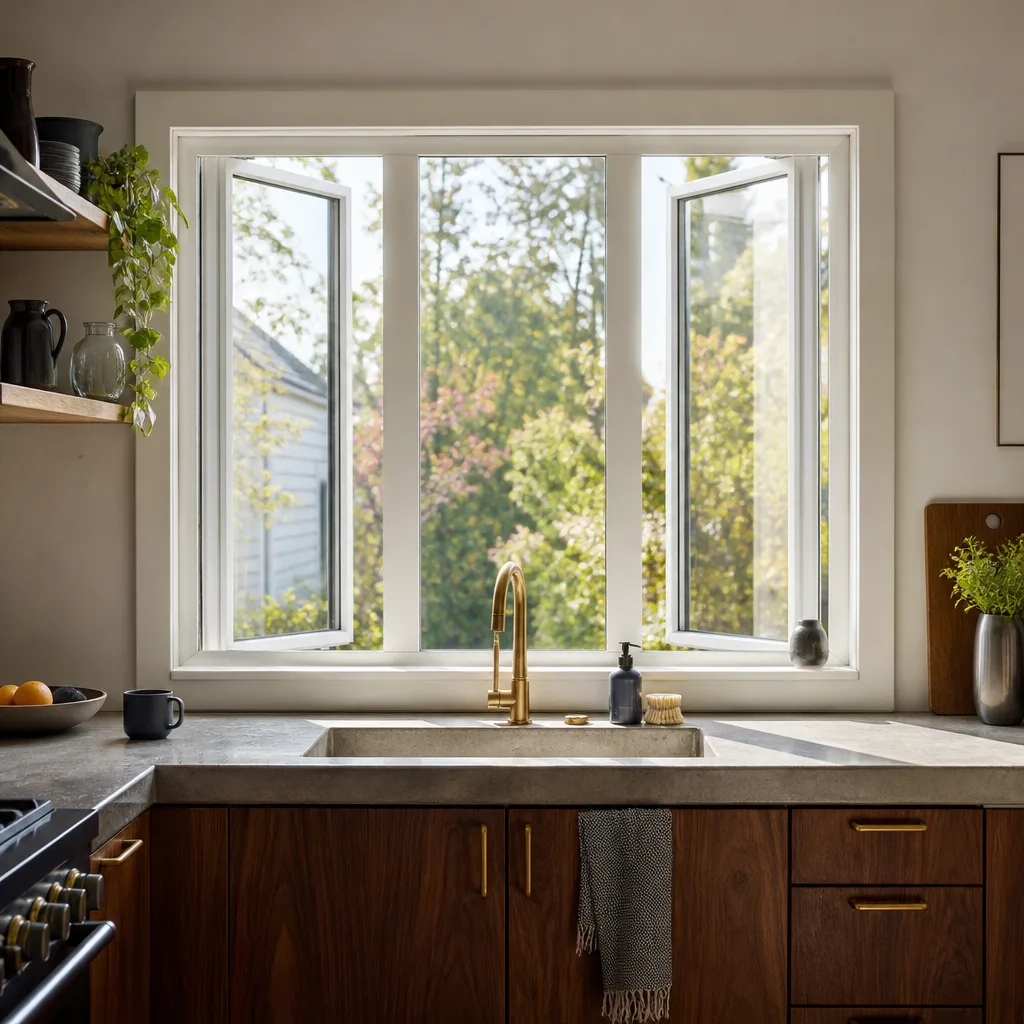
The number you get from a national cost estimator is usually too low for Aventura by a wide margin. Labor runs 18 – 22% above the state average, HVHZ material specs add 10 – 15% to roofing and windows, and Miami-Dade permits scale on valuation. Meet those realities head-on and build your budget against local numbers: $45,000 – $135,000 for a kitchen, $18,000 – $65,000 for a bathroom, $180 – $380 per square foot for an addition, $145,000 – $385,000 for an ADU, plus a contingency line for the change orders CBS renovation reliably produces. Lock the scope, price the full package, and let one accountable team carry the sequencing.
If you’re ready to price a specific project, Construction Aventura offers free estimates in Aventura. Call (833) 620-6514 to schedule your walkthrough. We answer 24/7. Fast dispatch from 7am to 7pm, Sunday through Friday.
Written by the team at Construction Aventura.