
Last updated November 18, 2026


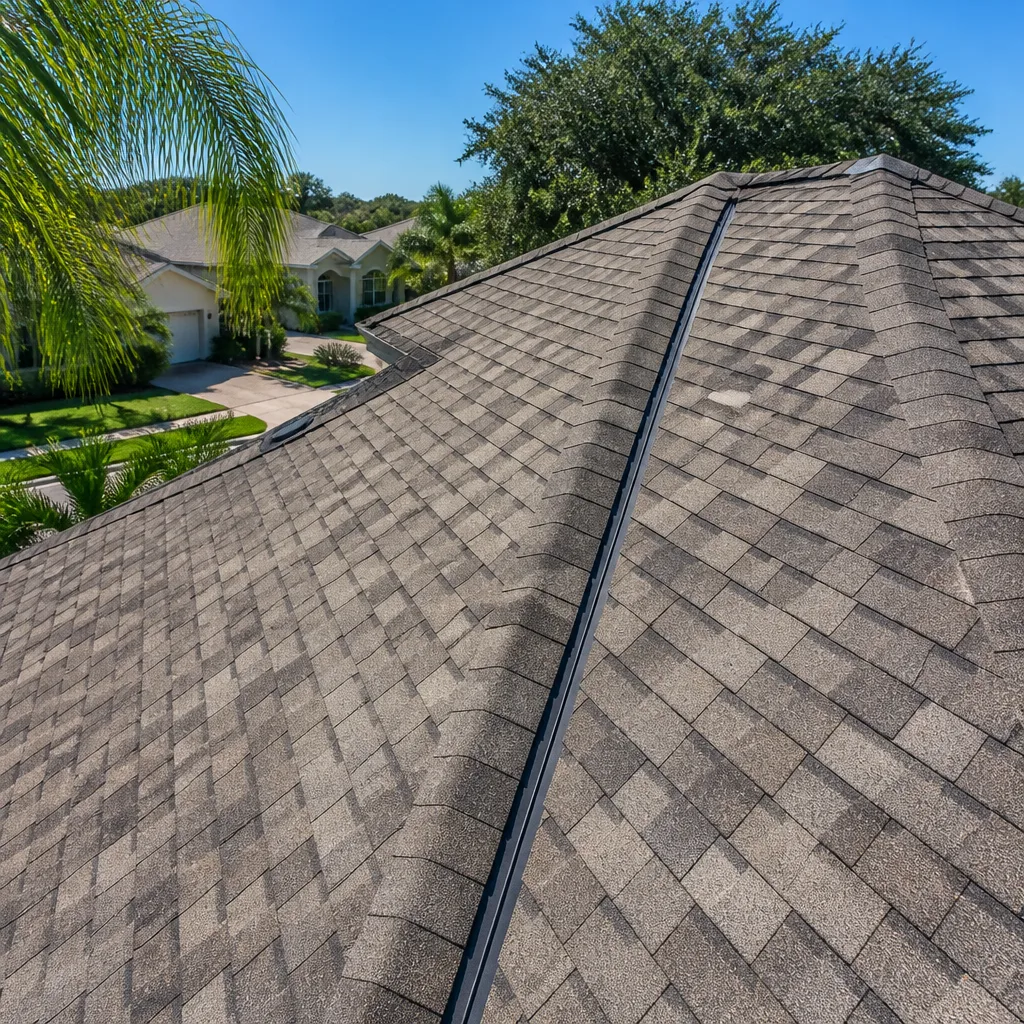





Free written scope consultation - allowances, timeline, and change-order rules on paper before a single trade is scheduled
Construction Warning Signs: An Aventura Homeowner’s Reference Guide
Most warning-sign guides describe hairline cracks and water stains any homeowner can already see. We’re going to go deeper. The signals that actually precede expensive structural or water failures in Aventura homes are specific to concrete-block construction, slab foundations, and south Florida’s high-moisture environment. They don’t look like the wood-frame deterioration patterns you’ll find in national home-inspection articles. Here you’ll learn what each crack pattern really means, how stucco tells you rebar is corroding behind it, which ceiling stains point to flashing versus tile versus a plumbing vent, when pavers are telling you their base has eroded, and what older Aventura wiring and plumbing are quietly saying. Concrete, specific, and useful.
Quick Answer
In Aventura’s concrete-block and slab construction, the most serious warning signs are diagonal cracks at 45-degree angles from window and door corners, horizontal cracks along block courses, soft or hollow stucco with rust staining, widening grout joints on pavers, and ceiling stains that reappear after rain. These patterns point to foundation movement, lintel or beam issues, or water intrusion behind the face coat, and each deserves a professional look before you repair the surface.
Styles & brands we work with
- Kitchen remodeling
- Bathroom remodeling
- Home additions & ADU
- Roofing
- Windows & doors
- Driveway & pavers
- Fence
Table of Contents
- What do the different crack patterns in Aventura block walls actually mean?
- What stucco warning signs should you look for beyond surface cracks?
- How do you read roof deck red flags visible from inside the home?
- What do pavers and hardscape signal when they shift?
- What electrical and plumbing warning signs appear in older Aventura construction?
- Why does south Florida’s humidity make every warning sign more urgent?
- A step-by-step walkthrough for spotting problems before they spread
- Common mistakes to avoid
- When to call a professional
- Frequently asked questions
What do the different crack patterns in Aventura block walls actually mean?
Crack direction tells you where the load is going and where moisture is entering. In Aventura’s CBS homes, the pattern matters far more than the crack’s length. A crack that runs diagonally from the corner of a window at roughly 45 degrees is a shear stress indicator; the wall is trying to move and something – foundation, lintel, or beam – is resisting or failing to resist. That is not cosmetic settling, and patching it with stucco hides the message rather than answering it.
Here is how we read the three main crack patterns in block construction:
- Diagonal cracks (45 degrees from openings): Usually shear stress. Point to foundation movement, inadequate lintel support over windows and doors, or differential settlement at one corner of the slab. The most important crack pattern to have evaluated.
- Horizontal cracks along a block course: Often moisture behind the wall pushing the face out, or a beam issue where a horizontal line follows a structural member. If the wall face feels loose or hollow, treat it as urgent.
- Vertical cracks: Sometimes a control joint or block shrinkage, and often the least alarming. But a clean vertical crack that widens over months, especially near an interior corner, still warrants inspection.
In older Aventura townhome and mid-rise stock, exterior wall movement and interior partition cracks frequently come from the same source. If you see the diagonal crack outside and a vertical crack inside at the same corner, that is one problem describing itself twice, not two separate issues. Ignoring wall movement eventually means roofing problems, window and door misalignment, and water taking a new path into the home. That’s why envelope work here starts with a proper read of the structure, not the paint. If a wall issue turns out to be tied to a larger scope, the same eye that reads the crack should read the Construction Aventura project plan covering roofing, walls, and windows together.
What stucco warning signs should you look for beyond surface cracks?
Stucco is a face coat. Behind it sits reinforcing mesh, block, and steel, and the stucco tells you about all three. The most useful signs are the ones you can feel and smell, not just the ones you can see. A hollow-sounding section where your knuckles tap dull rather than ring means the stucco has separated from the substrate. A soft spot that gives slightly under thumb pressure means moisture has been sitting behind the coat long enough to break the bond. Both deserve investigation before the next wet season.
Rust staining is the loudest stucco warning and the one most often mistaken for a nuisance. A brown-orange streak running from a stress point, a corner bead, or a wall anchor is the steel behind the stucco corroding. Iron expands as it rusts, and expansion pushes the stucco off from the inside. By the time rust streaks appear on the surface, the corrosion has been working for a while.
What to check on an Aventura stucco wall:
- Tap along the wall with a knuckle or handle of a tool at shoulder height and hear for the hollow thud.
- Look for rust streaks and follow them back to where they originate, not just where they end.
- Press gently around windows and doors; the corners and penetrations are where water gets in first.
- Check the bottom 12 inches of the wall for darkening, efflorescence, or bubbling close to the slab.
- Look up at the roof-wall junction and any parapet; stucco above the flashing line fails faster than the field wall.
A vented or weeping stucco system can mask problems for years because water has a path out and rarely shows inside. It shows outside as rust and delamination instead. That is why a wall assessment here is partly a drainage assessment, and why it pairs naturally with roof and window work in the same visit – the envelope is one system. If the fix runs from wall to window, that’s one scope the home additions & ADU team can plan alongside the repair.
How do you read roof deck red flags visible from inside the home?
Water stains on a ceiling are not all the same problem, and treating each one the same way wastes money. The stain’s shape, location, and timing since rain are the clues that separate a flashing failure from a field tile failure from a plumbing vent issue. A stain that appears or grows within hours of rain is often a flashing or field tile problem exposed directly to weather. A stain at an interior location away from any exterior edge, appearing slowly, is more likely plumbing or condensation related. Stains clustered around a vent pipe are almost always the boot or seal at the penetration.
How to classify what you’re seeing:
- Stain at the perimeter, near an exterior wall or the roof edge: flashing or edge metal failure is a strong candidate. These are the most common rain-driven interior stains we find.
- Stain in the middle of a room, far from any edge: consider the field of tiles, or a ceiling access point. Tile underlayment failures and fastener corrosion show up this way.
- Stain encircling a vent stack or HVAC curb: the boot, collar, or seal at the penetration is usually the culprit.
- Discolored or sagging deck visible through an attic access: this is structural, not cosmetic. Stop and get it looked at.
Note the pattern, not just the spot: a ring that widens slowly argues for one diagnosis, and a fresh wet patch after every storm argues for another. Under a south Florida sun, roof deck heat can also cook condensation out of sight, so a stain that feels dry may still have an active leak behind it. If you’ve found water at the deck, it’s worth having the whole roof inspected rather than chasing the stain – sometimes what looks like a tile issue is really a flashing or valley problem the tile was never designed to solve. That evaluation is one of the seven service categories under Construction Aventura, and it’s worth doing once, properly, before patching anything.
What do pavers and hardscape signal when they shift?
Pavers settle for one reason above all others: the base under them has moved. Edge rollback – pavers along the driveway edge tipping or spreading outward – tells you the edge restraint has failed or the base course has eroded and lost its lateral support. A low spot that holds water after every rain is not a drainage quirk. It’s a compacted failure in the sub-base or a loss of material underneath. Widening grout or sand joints between pavers, especially when they widen toward one side of the driveway, indicate that material is migrating under load and drainage is moving it away.
What to check on driveways, patios, and walkways:
- Walk the surface barefoot after a rain and note where water pools – those are the true low points.
- Look at the outer edge where pavers meet soil or concrete; rollback here means losing the base.
- Scan joint widths sideways across the field; joints widening in one direction tell you which way the base is giving.
- Check for sand washout at the bottom of a slope after heavy rain.
- Look for lifted or rocking pavers near a downspout or the driveway apron, where runoff hits hardest.
A driveway has to handle vehicle loads, summer sun, and daily rain runoff. The paving style is easy to see, but the base is what makes it last. That’s why we spec hardscape on brands like Belgard, Unilock, and Techo-Bloc and treat the base and edge restraint as the real engineering. If you’re ruling out replacing the surface or wondering whether the base can be saved, driveway & pavers work in Aventura usually starts with a base-course assessment rather than a new paver pattern.
What electrical and plumbing warning signs appear in older Aventura construction?
Older Aventura homes carry warning signs you cannot see with a paint inspection. Aluminum branch wiring is the big one. It’s common in homes built in certain decades, and it’s identifiable by the silver-colored conductors visible at an outlet or panel, or simply by opening a switch plate and looking. Aluminum expands, contracts, and oxidizes differently from copper, and it loosens at connections over time. Warm outlets, flickering lights on a circuit that used to be steady, and a faint burning smell at a device are reasons to stop using the circuit and get a licensed electrician in. This is genuinely dangerous work; do not open a panel or re-terminate a connection yourself.
Plumbing warnings in older slab home construction:
- Cast-iron drain sounds: a gurgle, a rattle, or a hollow knock down the drain line often means cast iron that has scaled or corroded on the inside.
- Water heater location issues: a unit in a garage, closet, or exterior alcove takes a beating from humidity and heat. Look for rust at the base, corrosion at the fittings, and moisture in the pan.
- Slow drains throughout the house, not just one fixture: a main-line problem, not a clogged trap.
- Water stains at a slab penetration: grounds for a licensed plumber’s look, since slab leaks are not a patch-over-the-weekend problem.
Electrical panels and gas lines are the two areas in any remodel or inspection where we always flag the safety case. Panels, breakers, and any gas appliance connection are work for licensed specialists, full stop. Our role is to notice and refer, not to improvise. The same diligence goes for plumbing fixtures: we install Kohler and Grohe because they’re repairable and their parts are supportable, but the install is only as good as the rough-in behind it. If old plumbing is turning up during a scope, that’s worth planning alongside the finish work rather than after it.
Why does south Florida’s humidity make every warning sign more urgent?
The moisture in Aventura’s air means the same crack or hollow stucco patch that would heal slowly in a dry climate gets fed every day here. A small separation behind stucco doesn’t stay small. Warm, humid air finds the gap, condenses against cooler surfaces behind it, and the corrosion and delamination cycle runs year-round. That’s why we treat hollow stucco, rust staining, and recurring ceiling stains as time-sensitive rather than cosmetic.
This climate also hides problems well. Staining on exterior walls can be mistaken for mildew when it’s actually water being pushed out of a wall, and a spot on the ceiling can dry out between storms and look harmless. Interior condensation on windows and glass doors in the summer points to either failing seals or a bigger problem behind the wall. Grout joints that look merely dark could be holding water. The rule in south Florida: any sign that comes back after rain is still active, even when it looks dry.
Mold and wood rot both move faster here than homeowners expect, so the timeline between “notice it” and “fix it” should be shorter than national guides suggest. If you find one active moisture path, assume a second and check the adjacent wall, the wall across the room, and the ceiling corner above it. Water rarely has only one exit.
A step-by-step walkthrough for spotting problems before they spread
We recommend an honest walkthrough of the property at least twice a year, once before the wet season and once after. It takes an hour and a notebook, and it’s the cheapest diagnostic you’ll ever run. Here’s the order we use, because anything at the top can cause what you see lower down:
- Start at the roof edge and work down. Look for loose flashing, separated edge metal, dark streaks, and sealant that has cracked. Note any rust at fasteners.
- Inspect stucco from the top of the wall down. Tap for hollow sections, look for rust streaks, check around every window and door corner.
- Read the wall crack patterns. Photograph diagonal, horizontal, and vertical cracks with a tape measure for scale, and date the photo so you can tell whether it’s growing.
- Check every interior ceiling and window head. Look for stains, sagging, and paint bubbling. Note whether any mark is new since the last walkthrough.
- Walk the driveway and patios after rain. Mark the low spots with chalk and watch for edge rollback and widening joints.
- Open the electrical panel door only to look, never to touch. Note the conductor color at branch breakers and any scorch marks or a hot-panel smell, then stop and call a licensed electrician.
- Listen to the plumbing. Run every drain and note gurgles, and look at the water heater base for rust and standing water.
- Check the fence and gates. Posts that wobble, gates that sag or won’t latch, and soil pulled away from the base are signs the footings or structure are losing hold. If the fence is at the end of its life, fence installation is usually planned as one envelope job rather than a series of repairs.
Photograph everything and keep the set together. The single most reliable way to know whether a crack or stain is progressing is to compare it to a dated photo from six months earlier. If you find something on the walkthrough that you can’t classify, that’s the moment to bring in the professional – not after another season has passed.
Common Mistakes to Avoid
- Patching a diagonal wall crack with stucco before it’s diagnosed. The patch looks clean for a season, but the movement underneath continues and changes the message the wall is sending. Diagnose first, repair second.
- Treating rust staining as a stain. Rust on a stucco wall is corrosion behind the finish. Painting over it traps moisture and speeds the cycle.
- Assuming every ceiling stain is a roof leak. Some are plumbing or condensation, and replacing tile for a plumbing issue leaves the real problem in place. Match the stain pattern to the cause first.
- Replacing pavers on the same failed base. A new paver surface over an eroded base course settles again within a year. The base and edge restraint are the job.
- Opening the electrical panel to “just look” and then touching the connections. Aluminum branch wiring and panel terminations are genuinely dangerous. Look, note, and call a licensed electrician.
- Chasing one moisture path and calling it done. Aventura humidity means water finds a second exit. When you find one active path, check the adjacent wall and the ceiling above it.
- Waiting until the next wet season to act on a sign you saw in December. Corrosion and delamination run year-round in this climate. Small fixes done early stay small.
When to Call a Professional
Call us or a licensed specialist immediately if you find a diagonal wall crack longer than a coin width, a wall section that is soft or hollow, active rust staining without any visible water source, or a ceiling stain that widens after rain. Also get help for any burning smell, warm outlet, or flickering circuit, and any sign of water on the slab or around a floor drain. Those are the patterns that escalate fastest in Aventura’s climate. A homeowner with a notebook and photographs is a strong first line of defense, but the moment a sign points to foundation movement, beam or lintel support, active water intrusion, or electrical or gas connections, the next step belongs to a trained professional. Our technicians have up to 15 years of experience reading exactly these patterns. Construction Aventura offers free estimates in Aventura – call (833) 620-6514.
Frequently Asked Questions
It usually indicates shear stress from foundation movement or inadequate lintel support above the opening. A 45-degree diagonal crack radiating from a window or door corner is not normal settling in block construction, and it should be evaluated before any cosmetic repair. Call (833) 620-6514 to schedule a free estimate – we’ll put eyes on the crack and tell you what it’s pointing to.
Look at where the interior stain sits: near an exterior edge or roof perimeter leans toward flashing, while a stain in the middle of a room points toward field tiles, underlayment, or a ceiling penetration. A stain that appears within hours of rain is typically an exposed flashing or field issue. We can read the pattern and the deck together in a free estimate, so call (833) 620-6514.
Yes. Rust staining on a stucco wall typically means the steel reinforcing or framing behind the stucco is corroding, and the corrosion has already begun pushing the face coat off. It should be investigated rather than painted over, because painting traps the moisture that fuels it. Call (833) 620-6514 for an evaluation – estimates are free.
Persistent low spots point to a base-course or sub-base failure, not just worn pavers. Water pooling in the same place after every storm means material has compacted or migrated underneath, and the surface cannot shed it. Replacing the pavers without addressing the base lets it return. Call (833) 620-6514 to get the base and the surface assessed in one free estimate.
The only reliable answer is to look at the conductors at an outlet or the electrical panel – silver-colored wire points to aluminum – and to have a licensed electrician confirm it. Do not open the panel yourself, and do not re-terminate any connection; this is genuinely dangerous work. If a licensed electrician confirms aluminum branch wiring, the fix is theirs to make, and any wall or fixture work we do alongside it is planned around that first.
Our price is set per job by the written, line-item estimate, so the estimate you receive is the price you should plan around for the scope described. If we open a wall or lift pavers and find a condition the estimate could not have seen, we stop, explain it, and put the change in writing before any extra work begins – no change orders on scope we’ve already quoted. Call (833) 620-6514 to start with a free estimate.
Yes – permits are pulled and inspections passed for the work that requires them, which in most cities covers structural repairs, additions, and many envelope projects. The permit scope is spelled out in the written estimate so you know what’s pulled and what isn’t. Call (833) 620-6514 to talk through the permit needs for your specific repair.
How long does a warning-sign repair usually take?
It depends entirely on what the sign is telling us: a stucco or flashing repair is a short job, while a foundation, beam, or base-course issue is a planned project rather than a fast fix. What we won’t do is promise a timeframe before we’ve seen the cause. Call (833) 620-6514 and we’ll scope it honestly in a free estimate.
The Bottom Line

The warning signs that matter most in Aventura homes are structural and moisture-driven, not cosmetic. Diagonal cracks from openings mean shear, horizontal cracks mean moisture or beam issues, and rust-streaked stucco means corrosion behind the face. Ceiling stains need to be matched to their pattern before any tile or roof is replaced, pavers that pool point to a failed base, and old aluminum wiring or cast-iron drains deserve a licensed specialist’s look before anything else. Photograph what you see, date it, and re-check after rain – progress tells you more than any single inspection. Our technicians have up to 15 years of experience reading these patterns, and when a sign points to real movement or water, that’s when to bring in help. One contractor, every scope, from the roof down to the driveway.
Construction Aventura offers free estimates for homeowners across Aventura. Call (833) 620-6514. We answer 24/7. Fast dispatch from 7am to 7pm, Sunday through Friday.
Written by the team at Construction Aventura.
See the difference
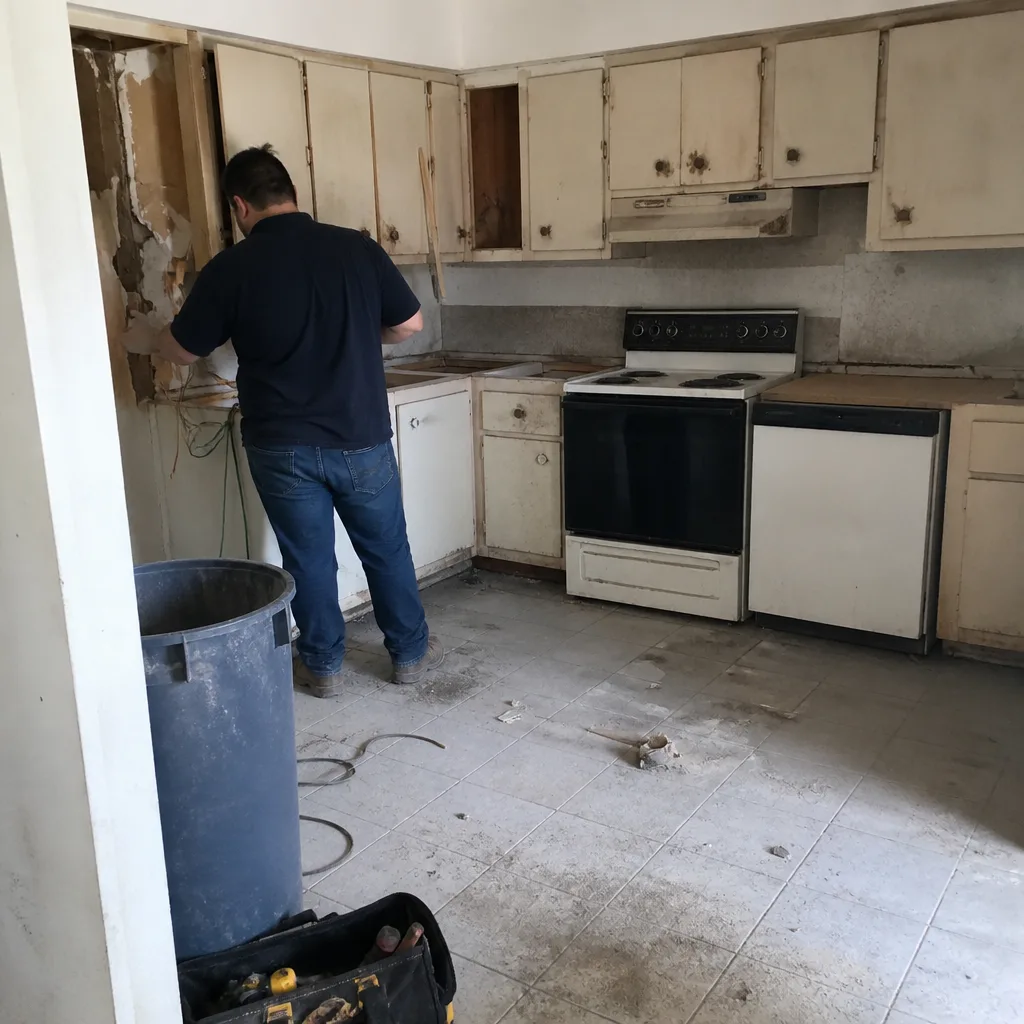 Before
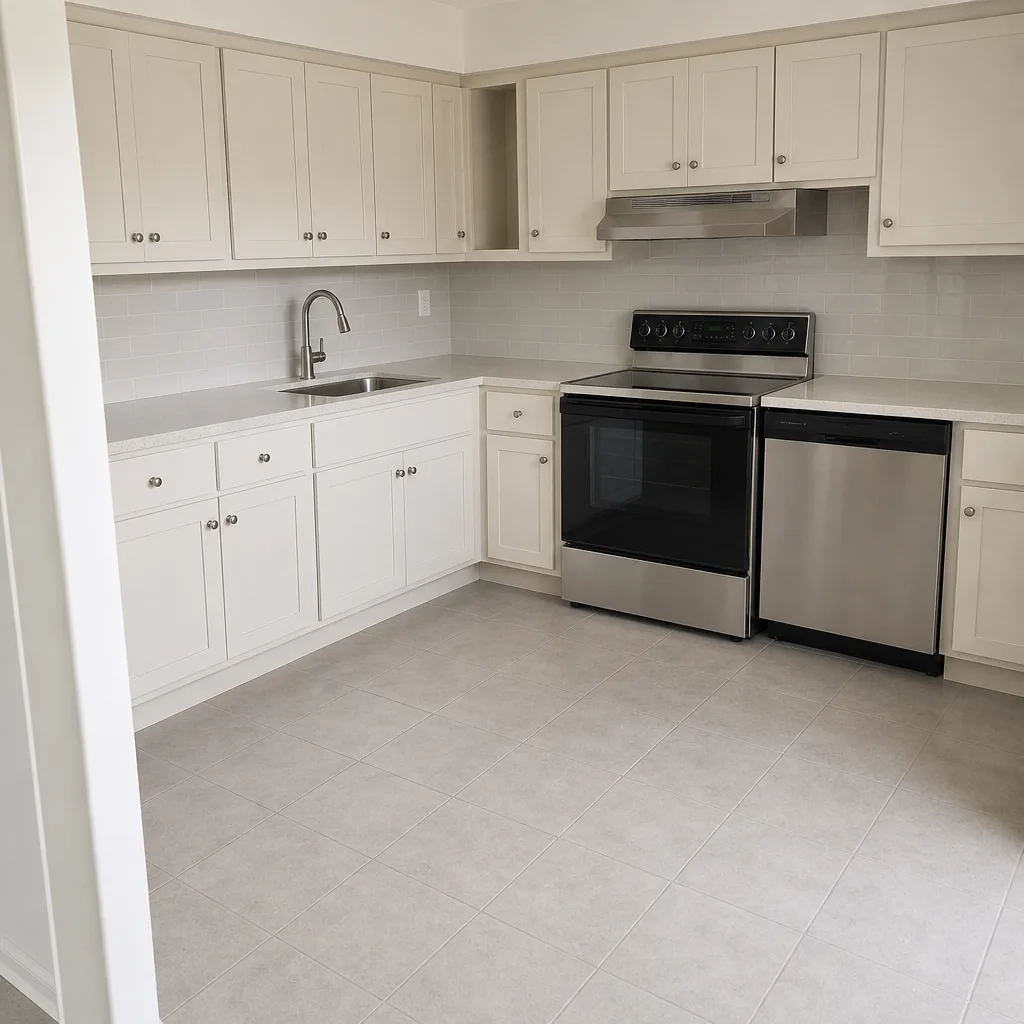 After
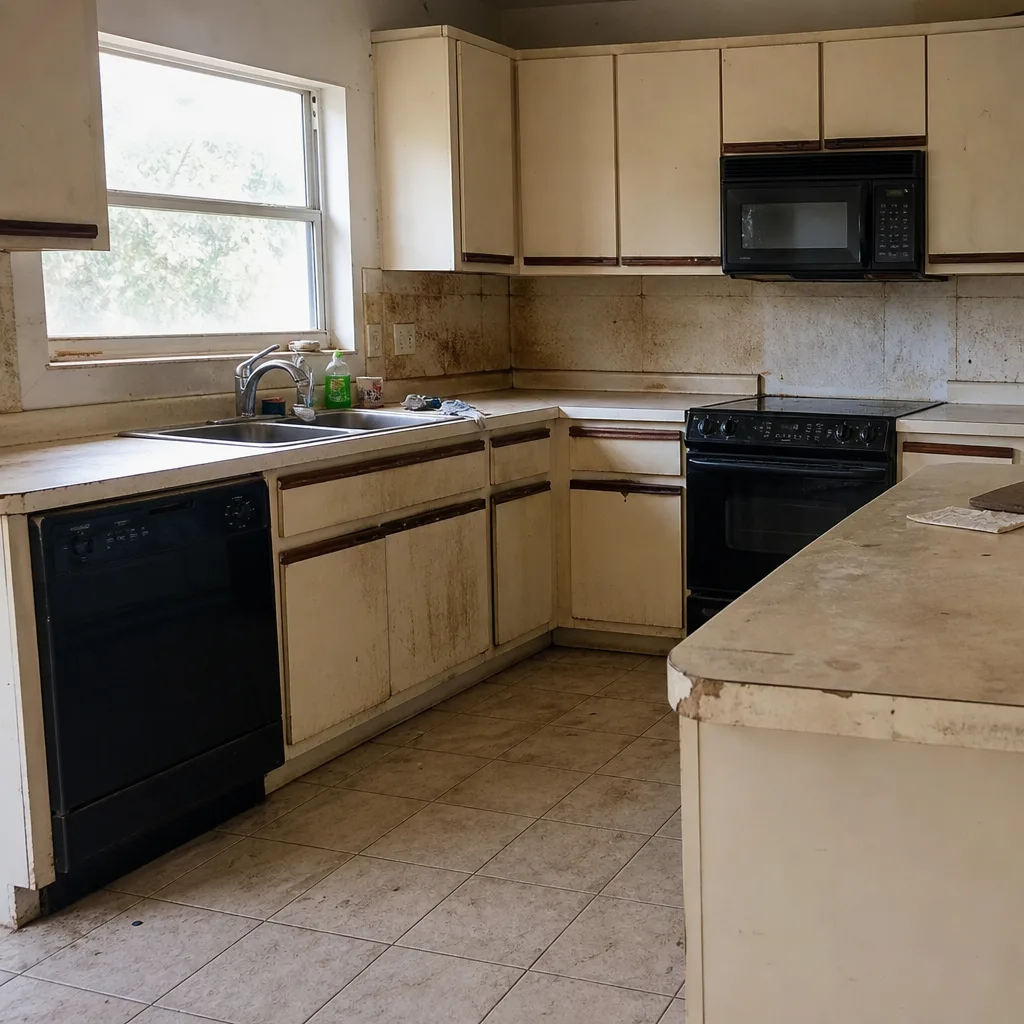 Before
 After
 Before
 After